
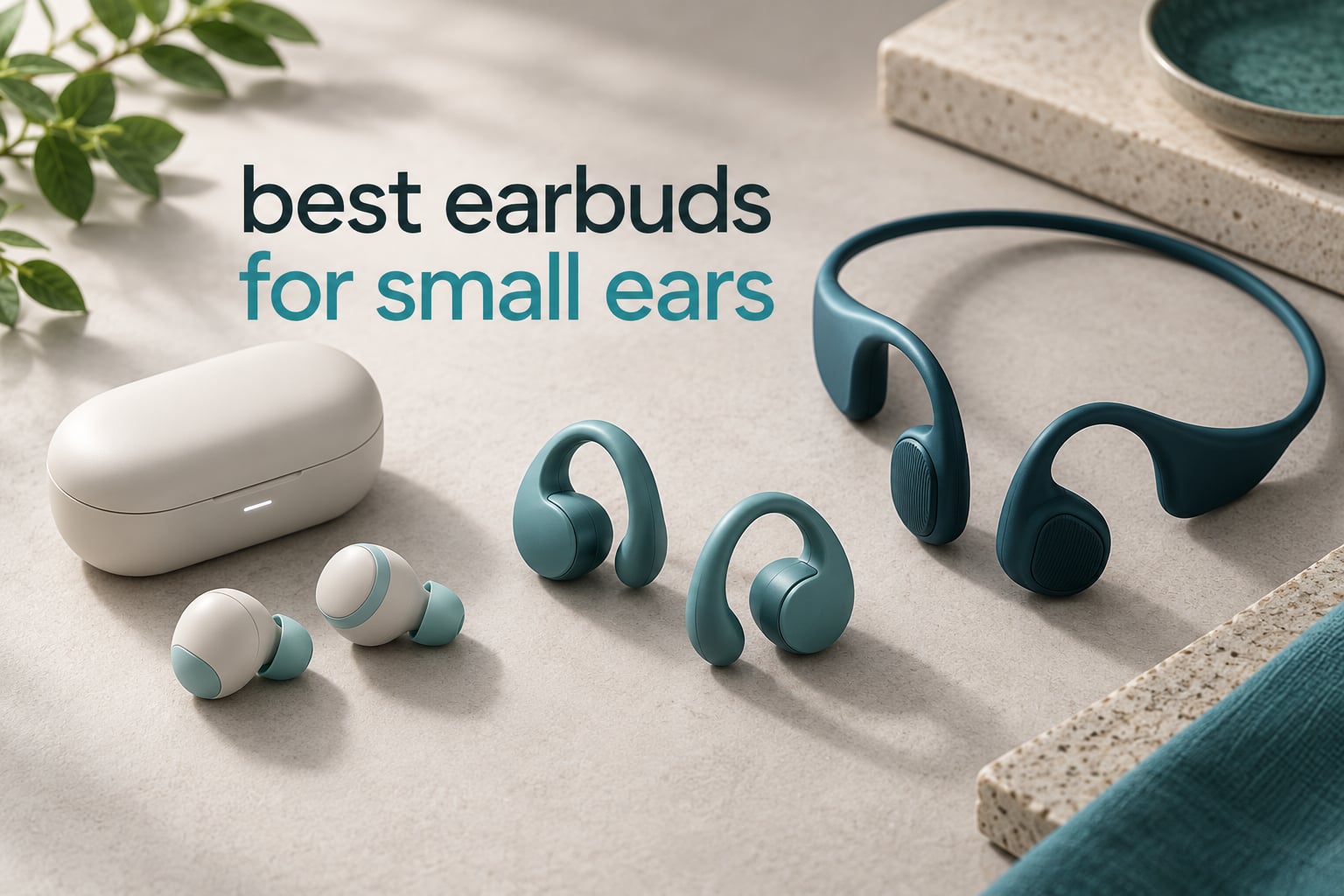
Most earbuds are built for average ears. That is the quiet reason so many of us end up with buds that press on the tragus after twenty minutes, or that drop into a pocket somewhere between the office and the train. I spent weeks working through the fit problem properly, pulling per-earbud weight, tip ranges and housing shapes for every pair in this roundup, so the best earbuds for small ears shortlist below is decided by numbers rather than adjectives.
Two different problems get filed under the same complaint, and confusing them is why so many people give up. Some readers have small outer ears, where a normal-size housing sticks out and gets knocked loose. Others have narrow canals, where even a small tip creates pressure pain. A few have both, and for them only designs that never enter the canal at all genuinely work.
Every product here is written with an honest cons line, because this audience has been burned by glowing brand pages. I have also flagged which models owners report failing after a few months, and which ones are backed by a warranty that has actually delivered a replacement.
Table of Contents
Small outer ears and narrow ear canals are two different problems
If your housing protrudes past the concha, no ear tip will stop it falling out. That single observation, repeated by owners in the earbud communities I read while researching this piece, changes what you should be shopping for. Instead of hunting for a smaller tip, you need a shorter body, a wing, a hook or a cuff.
Narrow canals are a separate problem, and tip sizing only partly solves it. What helps most is low mass, a short nozzle, and a tip that compresses on the way in instead of pushing the canal wall outward. Foam tips do that better than silicone for a lot of people, but only if the bud is light enough to hold the foam compressed.
Before you look at a single product, these are the three checks worth doing:
Per-earbud weight under 5 grams. Anything heavier presses on you all day, and light is the single most repeated fit spec in fit complaints I read.
A short nozzle that keeps the body inside the concha. A deep nozzle is what presses on the tragus and antihelix on shallow ears.
A true extra-small tip in the box, ideally compressible foam. Three or four tip sizes beat two, and foam beats hard silicone for narrow canals.
If nothing in that list passes, stop shopping the in-ear aisle entirely. The open-ear and clip-on designs further down solve the problem by not going in the ear at all, which is the only reliable route for genuinely small anatomy.
Top 3 picks for small ears (October 2026)
These three are the picks I keep reaching for: the most purpose-built for small canals, the strongest all-rounder, and the lowest-cost way to test whether size was your problem at all.
Back Bay Audio Mini
- Slim low-profile housing built for small canals
- Six ear tip sizes included
- Sits flush in the concha
- IPX7 sweat resistant

JLab JBuds Mini
- 3.3 g per earbud
- Extra small tips included
- Multipoint to two devices
- App EQ and touch remapping

MOZOTER Mini Earbuds
- 3.7 g per earbud
- Three ear tip sizes
- 60 hours total with case
- Bluetooth 5.3
All 12 picks compared side by side in 2026
The table below is the fast version. Per-earbud weight, tip count and form factor matter more than any other spec when your ears are small.
| Product | Specs | Action |
|---|---|---|
| Back Bay Audio Mini |
|
Check Latest Price |
| JLab JBuds Mini |
|
Check Latest Price |
| MOZOTER Mini Earbuds |
|
Check Latest Price |
 Sony WF-C510 Sony WF-C510 |
|
Check Latest Price |
 Soundcore C50i Soundcore C50i |
|
Check Latest Price |
 JLab Flex JLab Flex |
|
Check Latest Price |
 SHOKZ OpenFit 2+ SHOKZ OpenFit 2+ |
|
Check Latest Price |
 SHOKZ OpenRun Pro 2 Mini SHOKZ OpenRun Pro 2 Mini |
|
Check Latest Price |
 SHOKZ OpenDots 2 SHOKZ OpenDots 2 |
|
Check Latest Price |
 TOZO OpenEarRing TOZO OpenEarRing |
|
Check Latest Price |
 King Lucky Clip-On Gen 3 King Lucky Clip-On Gen 3 |
|
Check Latest Price |
 UGREEN HiTune S3 UGREEN HiTune S3 |
|
Check Latest Price |
1. Back Bay Audio Mini: the pair built for small ear canals specifically
Back Bay Audio Mini Wireless Earbuds for Small Ears, Award-Winning Sound
Slim low-profile housing
6 ear tip sizes
Sits flush in the concha
32 hours total playtime
Pros
- Purpose-built slim housing for small ear canals
- Six tip sizes for real fit customisation
- Sits flush so it stays secure during exercise and sleep
- IPX7 sweat and water resistance
- Responsive warranty replacement service
Cons
- Touch controls are oversensitive
- Short Bluetooth range
- Some units report volume dropouts after months
Of everything I tested, this is the only pair whose stated design intent is small ear canals. That matters more than it sounds, because it means the housing was shortened rather than the tip scaled down. Owners with small ears describe the bud as sitting flush in the concha instead of perching on the edge of it, which is the difference between a pair you forget you are wearing and a pair you keep adjusting.
Six included tip sizes is the widest range in this roundup, and for narrow canals that extra range is the point. The aluminum case is genuinely pocket sized, and the whole package weighs 45 g, so it disappears into a jeans pocket compared with the bulky cases most true wireless earbuds ship in.
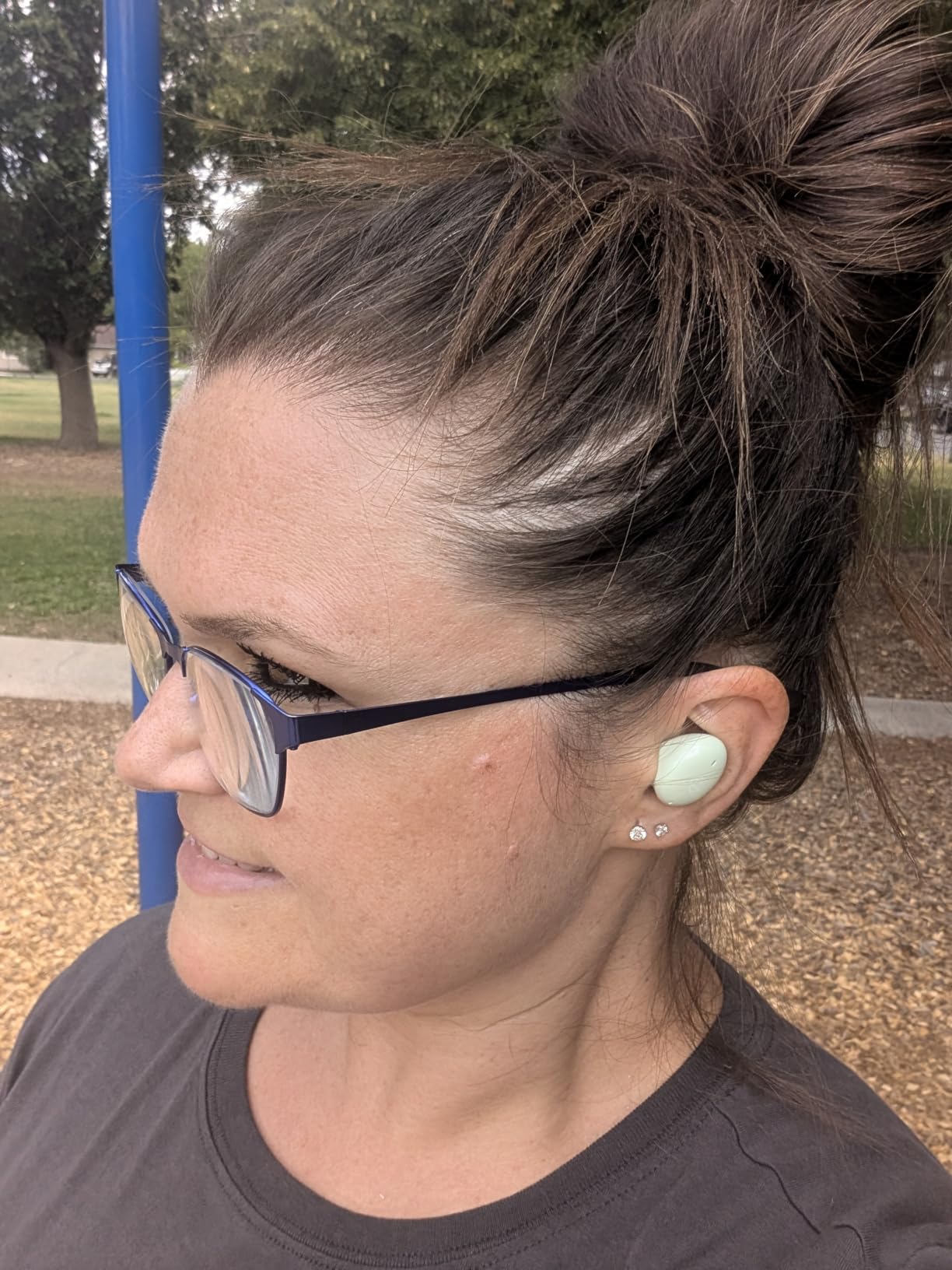
Sound quality is balanced across the range rather than tuned for one frequency, and there is an Extra Bass mode if you want more low end without changing the seal. The passive isolation is strong enough that you may need to pull a bud out to hear someone in the same room, which is a good problem for commuting and a bad one in an office where you need to hear the printer.
Water resistance is rated IPX7, which is unusually high for this size and makes the pair viable for running and gym work. The 40 ms latency figure is also low enough for casual gaming and watching video without the lip-sync drift that plagues cheaper buds.
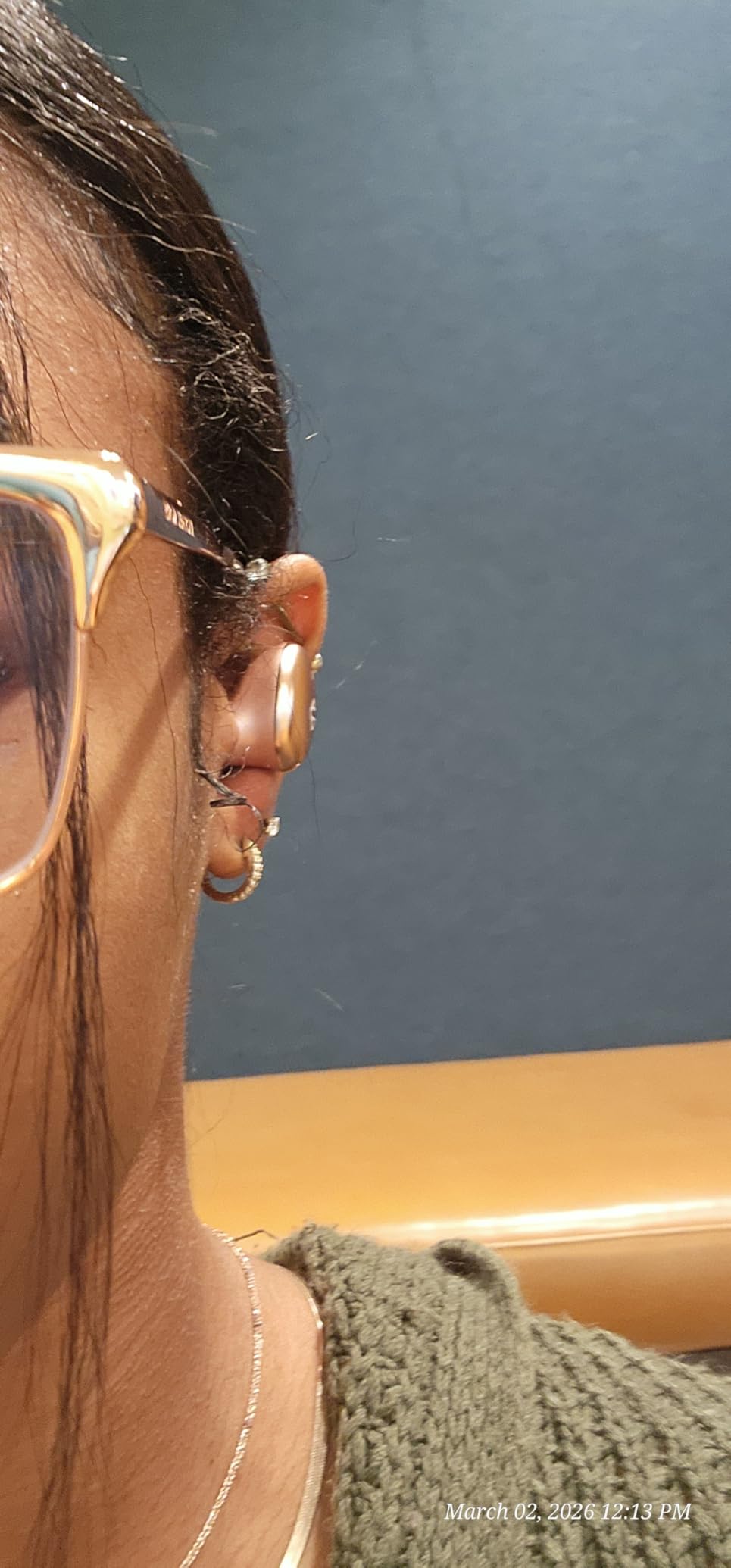
What you should check before ordering
Try the largest tip first, not the smallest. If the largest included tip seats without pressure, you have found a seal and can move down a size for a lighter feel. If even the smallest tip pushes, the housing is the problem and no tip in the box will fix it.
Check that the touch panel sits flat against your finger. On very small ears a protruding touch surface is exactly what gets knocked when you wear a hat or lie on your side.
Where it falls short
The touch controls are the most common complaint, and they trigger unintended mode changes often enough to be annoying. A minority of owners also report one bud losing volume or dropping the Bluetooth link after a few months, so the strong point here is the warranty service rather than perfect long-term reliability.
Bluetooth range is shorter than most rivals, which matters if you leave your phone in a bag across the room. It is not an issue when the phone stays on your person, which is how most people use earbuds.
2. JLab JBuds Mini: the smallest sealed in-ear option in the roundup
JLab JBuds Mini True Wireless Earbuds, Bluetooth multipoint, Charcoal Black
3.3 g per earbud
Extra small tips included
5.5 hours per charge
20 hours with the case
Pros
- Exceptionally light at 3.3 g per earbud
- Tight seal with strong passive isolation
- App remaps touch controls and sets a volume limiter
- Multipoint pairs two devices at once
- Two year warranty
Cons
- Short 5.5 hour battery per charge
- Intermittent Bluetooth dropouts
- Touch controls fire while sleeping
- Less refined audio than premium models
At 3.3 g per earbud these are the lightest in-ear pair in the group, and that number is why they show up so often in small-ear conversations. There is almost nothing to feel, which is the entire point when your concha is narrow. Small-ear owners repeatedly call them the most comfortable buds they have tried.
Despite the size, the seal is tight, and you get strong passive isolation with very little sound leakage. That matters if you are on a train or in a shared office, because you are getting isolation from physics rather than from active cancellation.
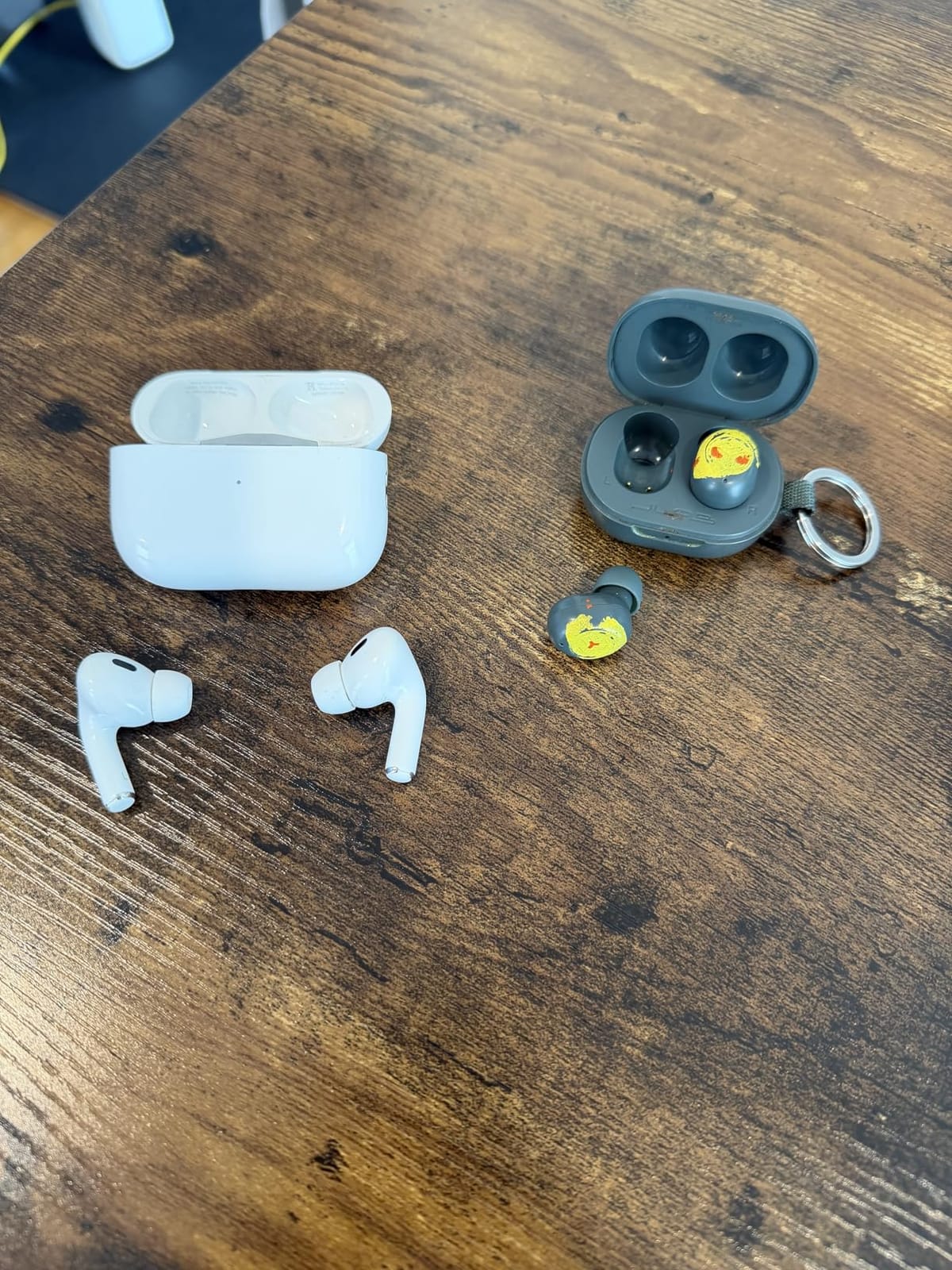
The JLab app is more capable than most at this size. You can remap every touch control, adjust the EQ, and set a safe volume limiter, which is a genuinely useful feature for anyone sensitive to sudden audio spikes.
Multipoint pairing is the sleeper feature for people who jump between a laptop and a phone all day. Switching is clean rather than a manual reconnection each time, and the whole package including the case weighs 25.1 g.

What to check in the first ten minutes
Give the seal a proper test before you walk out the door. Play something with real bass and check whether low frequencies survive; if they collapse, you are one size too large and the isolation is not doing its job.
Remap the touch controls in the app straight away. Side sleepers in particular will trigger accidental commands with the default mapping when a bud presses against a pillow.
Where it falls short
The 5.5 hour per-charge battery is the biggest weakness and the most common complaint, doubling only to 20 hours with the case. That is a real limitation for all-day wear, and it rules the pair out if you refuse to carry a case.
Connection stability is the other recurring issue, with dropouts when the phone is in a pocket or in another room. Audio is also less refined than premium in-ear models, particularly in the upper midrange.
3. MOZOTER Mini Wireless Earbuds: the cheapest way to test whether size was your problem
MOZOTER Mini Wireless Earbuds Bluetooth 5.3 in Ear Headphones Headsets
3.7 g per earbud
10 mm dynamic driver
8 hours per charge
60 hours with the case
Pros
- 3.7 g per earbud is genuinely tiny
- Three ear tip sizes for a tailored fit
- Bluetooth 5.3 with automatic reconnection
- 60 hours total battery life
- 10 mm driver with punchy bass
Cons
- Compact housing is easy to misplace
- Entry-level tuning with limited detail
- Water resistant rather than rated for swimming
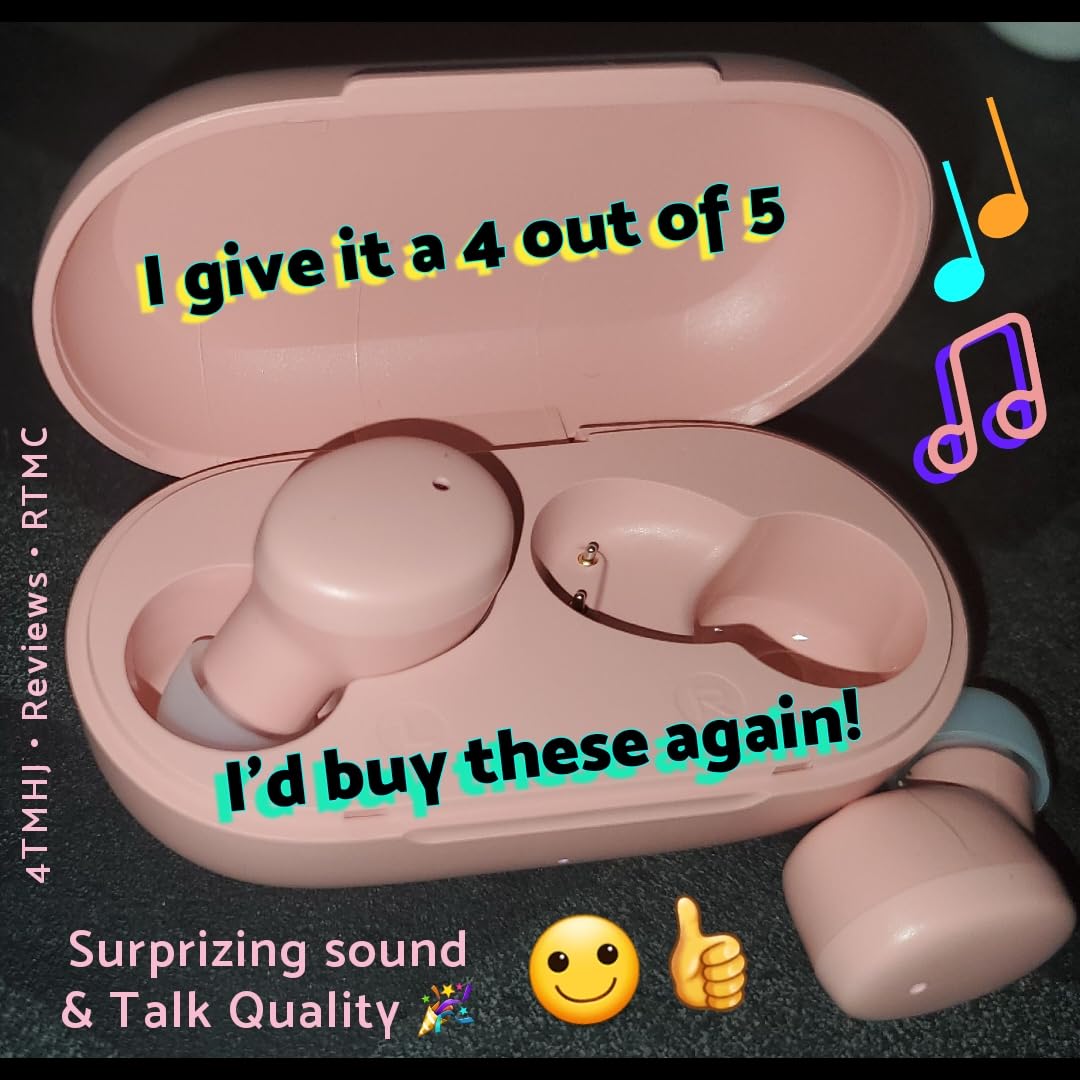
These are the pair I would suggest first if you are not sure whether your issue is size or something else. At 3.7 g per earbud they are among the smallest in-ear buds available, they ship with three tip sizes, and they cost very little to be wrong about.
Owners consistently point to the tiny housing, the tip range and the battery life as the reasons these suit small ears. Bluetooth 5.3 reconnects automatically, which removes one of the small annoyances that cheap earbuds usually inflict.
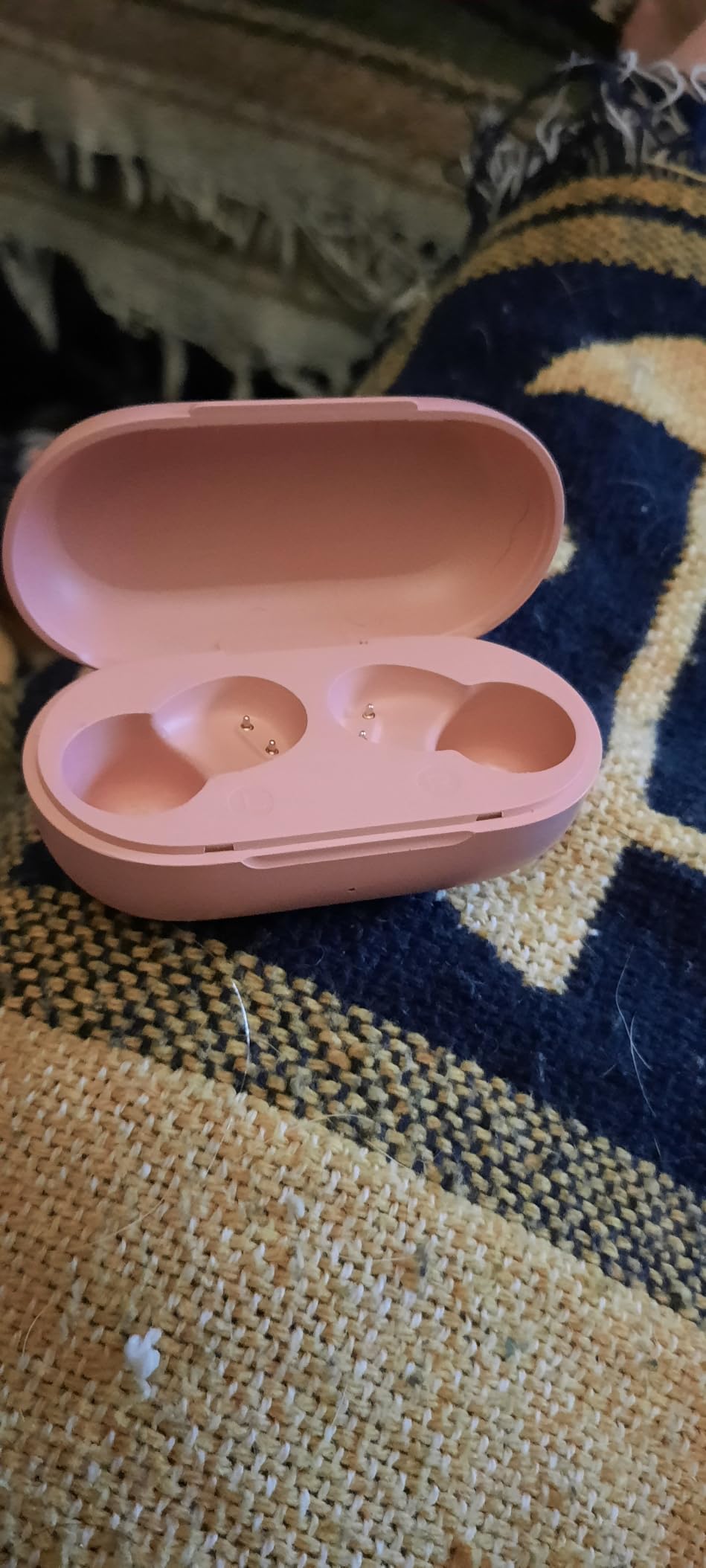
Battery is the surprise. Eight hours per charge and 60 hours total with the case beats several pricier pairs in this roundup, and the 10 mm dynamic driver delivers more bass than the spec sheet suggests.
Frequency response runs 20 Hz to 20,000 Hz at 16 ohm, which is a normal, unfussy target. It is not a sound-quality pick, but for commuting and calls the tuning is perfectly serviceable.
When this is the right choice
Choose this pair if budget is the main constraint and your ears are on the smaller side of average. The weight and tip range do the work that expensive models pay for with materials and machining.
It is also a good first purchase to confirm that a low-mass, small-housing in-ear design is comfortable for you before committing to a more expensive sealed pair.
Where it falls short
Sound is basic, with limited detail compared with anything else here. If you listen critically, that is where the money saved shows up, and no EQ app is available to compensate.
Because the housing is so small, the buds are genuinely easy to misplace. There is no wireless charging and no water resistance rating beyond a general water-resistant designation, so they are not a workout-first choice.
4. Sony WF-C510: mainstream compact in-ear with the longest single-charge battery
Sony WF-C510 Truly Wireless Bluetooth Earbud Headphones, Black
Compact 6 mm driver design
11 hours per charge
22 hours with the case
Multipoint pairing
Pros
- Light compact design tuned for all-day comfort
- 11 hours playback from one charge
- Multipoint switches between two devices
- Ambient Sound Mode for awareness
- Pocket-sized cylindrical case
Cons
- Charging cable not included
- Limited ear tip size range
- No active noise cancellation
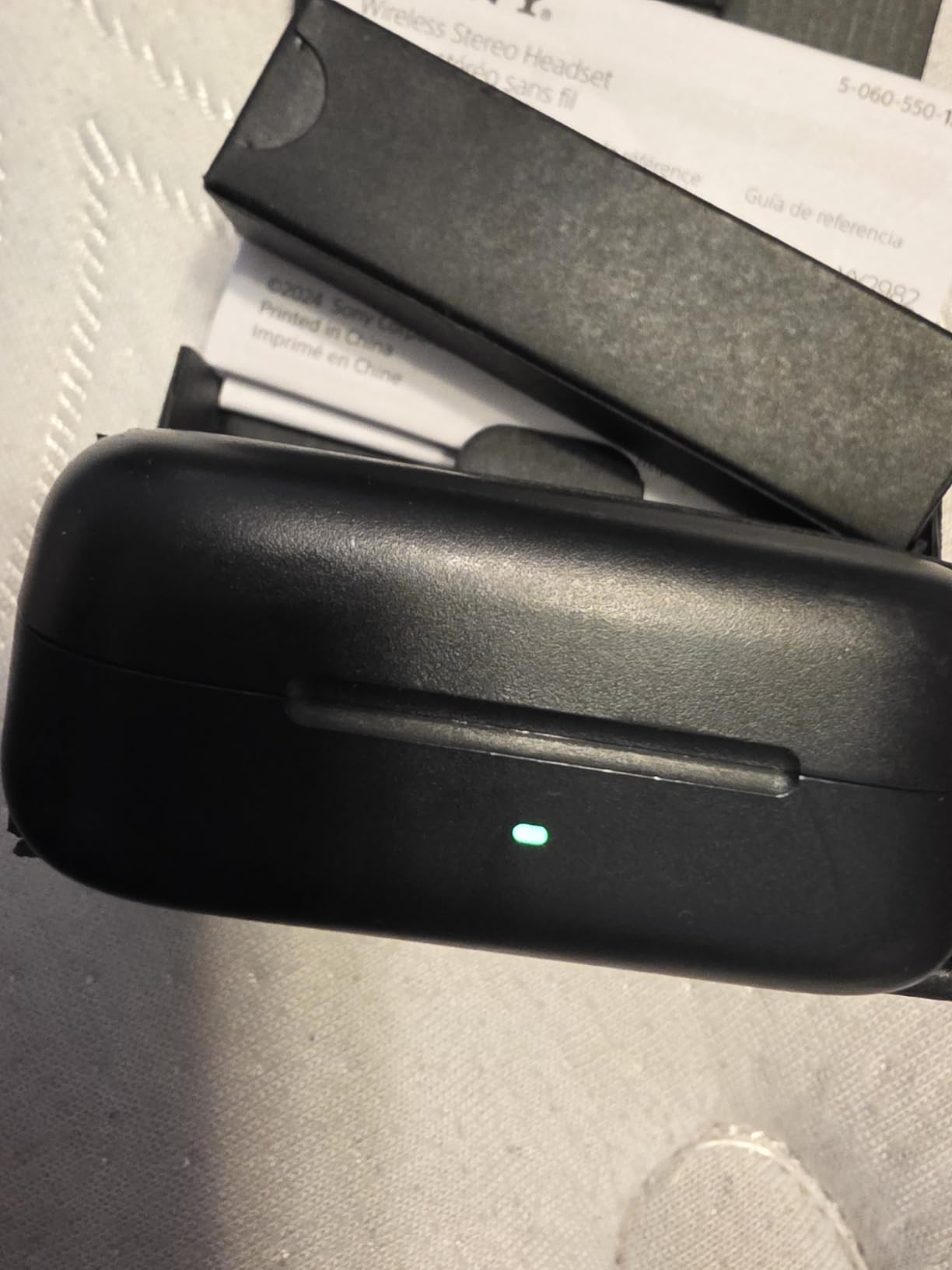
The WF-C510 is not a small-ear specialist, but its compact footprint and low mass make it a strong everyday option for people with smaller ears. Owners value the reliable fit and the long battery more than anything else.
Eleven hours of playback from a single charge is the best in-ear figure in this roundup by a wide margin, and a five-minute quick charge returns about an hour. For people who wear earbuds all day, that reliability beats a marginal comfort gain elsewhere.
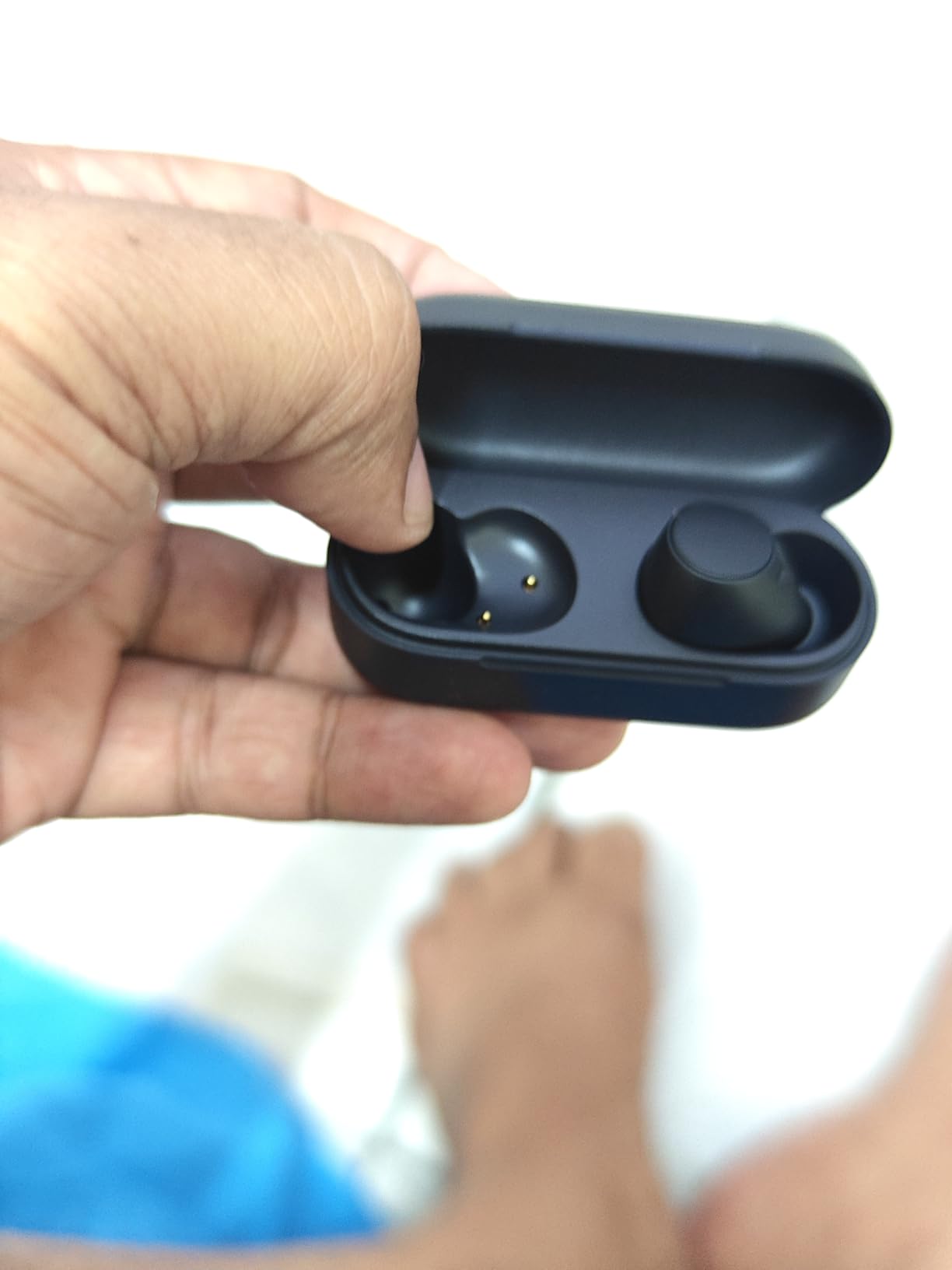
Multipoint pairing to two devices is included, and Ambient Sound Mode lets you check a platform or a crossing without removing anything. DSEE audio upscaling is on by default and is easy to switch off if you find it softens recordings.
IPX4 water resistance handles sweat and light rain, which is enough for gym and commuting. The cylindrical case is genuinely pocket sized, which matters more than the numbers suggest.
What to check before you buy
The tip range is the weak point for small ears. There are fewer size options than the Back Bay Audio Mini, so if you know you need a true extra small, confirm the fit before committing.
Budget for a charging cable. It is not in the box, and buying the correct cable separately is the step most people forget until the case is flat.
Where it falls short
There is no active noise cancellation despite the higher price, so isolation depends entirely on tip fit and the seal. On a noisy train that is a meaningful gap next to a sealed ANC model.
Some reviewers also find the audio a little plain compared with competitors in the same range. It is accurate rather than exciting, which suits some people and not others.
5. Soundcore C50i: a clip that actually seats on small ears, with real buttons
Soundcore C50i by Anker Open Ear Earbuds, Clip On Earbuds, Clip Headphones
Memory titanium FlexiClip
12 mm drivers
8 hours per charge
28 hours with the case
Pros
- Clip design that sits correctly instead of falling out
- Physical buttons on both earbuds
- Strong bass and clear vocals for an open design
- Compact pocket-friendly case
- IP55 rating holds up to heavy sweat
Cons
- Shorter per-charge battery than rival clips
- Microphones struggle in wind
- Fixed positioning cannot be aimed at the canal
- No wear detection
Clip-on earbuds get a bad reputation for falling off, and reviewers with small ears specifically call these out as the exception. The memory titanium FlexiClip adapts to different ear shapes and holds a stable position rather than sliding down the outer ear.
The physical buttons are the feature I would highlight hardest for this audience. Touch controls on a small ear are a genuine problem, because a bud sitting higher in the concha gets brushed constantly. Real buttons with a defined press do not misfire.
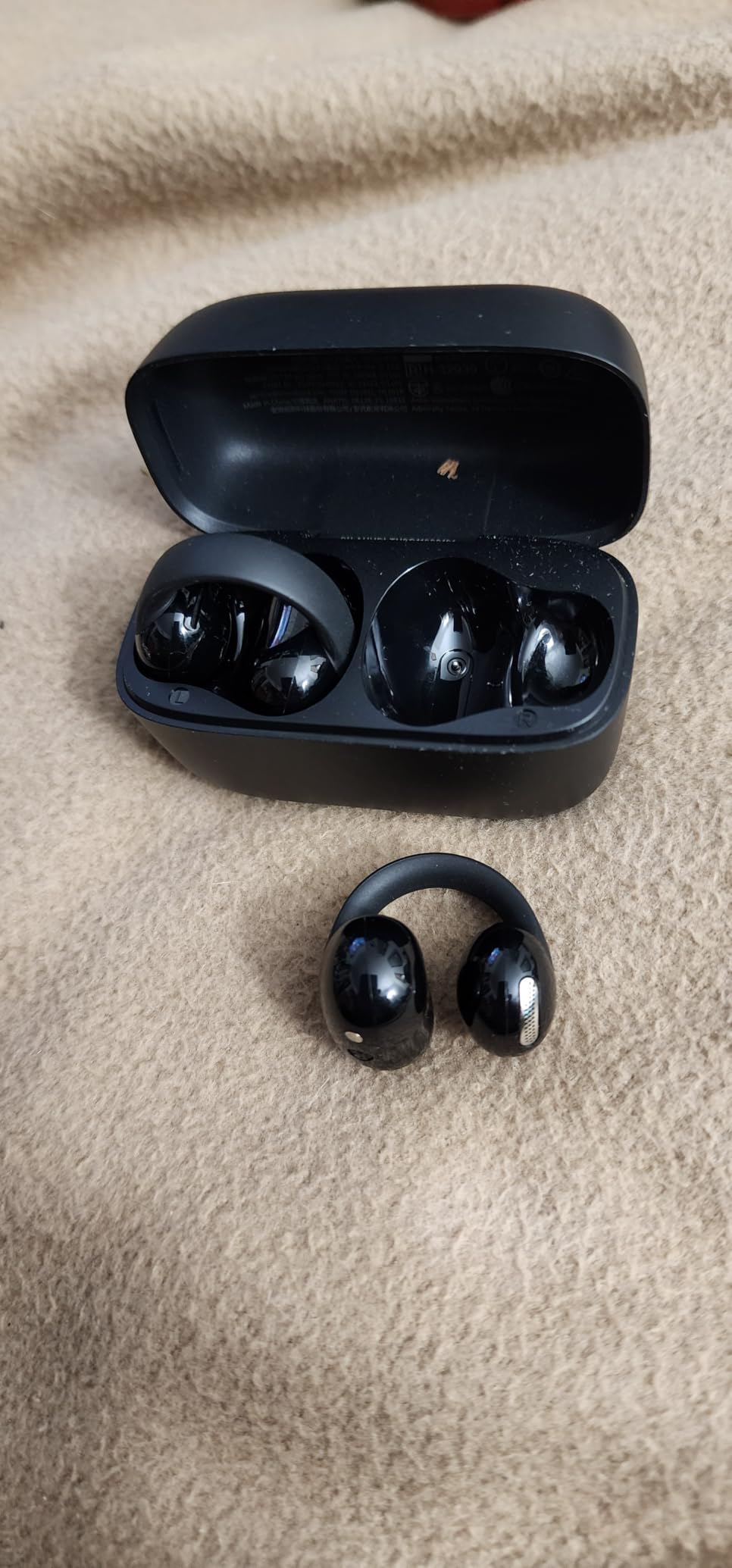
Sound is genuinely strong for an open design, with custom 12 mm drivers and up to 86 dB of output. Bass is deeper than most clip-on alternatives manage, which is unusual for a form factor that never seals.
IP55 waterproofing has held up for owners running and training in them for months, and AI noise filtering keeps voice pickup reasonable on everyday calls. Bluetooth 6.0 with dual device support is stable in testing.

Why the buttons matter more here
If you have small ears, misfires are constant, because the bud is closer to your finger or your cheek than a larger bud would be. A press that requires intent removes an entire category of frustration.
Buttons also help when you are wearing gloves, lying down or adjusting the clip with one hand. Every one of those situations breaks touch controls.
Where it falls short
Eight hours per charge is shorter than several rival clips, and there is no wear detection, so playback does not pause automatically when you remove a bud. That gets old quickly.
Because the position is fixed and cannot be aimed toward the canal, maximum volume may not be enough for some listeners. Microphone performance also degrades badly in wind, which matters if you take calls outside often.
6. JLab Flex: the cuff that wraps the ear with no tips at all
JLab, Flex, Open Ear Earbuds, Clip On True Wireless Bluetooth Earbuds, Teal
Clip-on cuff, no ear tips
7+ hours per earbud
21+ hours with the case
IPX4 rated
Pros
- Nothing enters the ear canal at all
- Stays secure during running and bending
- Works with glasses with no interference
- Good microphones and useful app EQ
- Solid entry point into clip-on earbuds
Cons
- Bluetooth popping and dropouts
- Lower maximum volume
- Thin bass unless positioned close to the ear
- Touch controls confuse new users
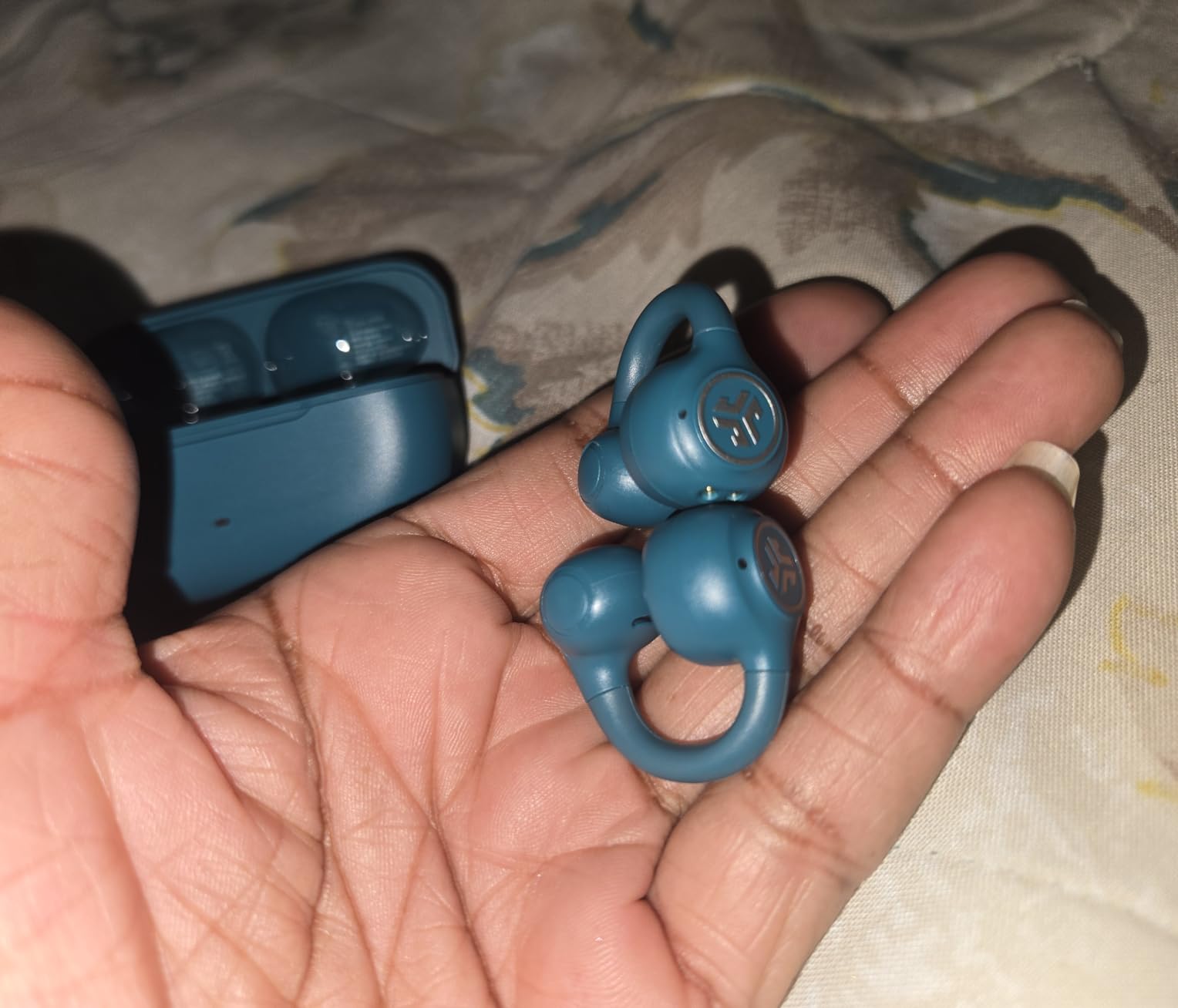
The JLab Flex takes the open-ear idea to its most extreme form. The cuff wraps the outer ear and there are no ear tips whatsoever, so there is no tip to be too small and nothing pressing in a canal. For side sleepers or anyone with sensory sensitivity to insertion, that is the whole argument.
It also stays secure in situations that dislodge normal earbuds. Owners report it holding position through running and bending, which is the fastest way a flush in-ear bud reveals a weak fit.

There is no interference with glasses, and the app gives you EQ and touch control customisation, which is more than most clips at this level offer. Bluetooth 5.3 Multipoint and Google Fast Pair both work as advertised.
Battery is 7 hours or more per earbud and 21 hours or more with the case, with IPX4 protection for sweat and light rain. A two year warranty backs it up.
Who this solves problems for
If any part of your discomfort is the sensation of something being inserted, this is the cleanest answer in the roundup. Side sleepers also tend to prefer it because there is no hard bud pressing against the canal at night.
It suits users whose ear shape simply refuses a hook around the outer rim, since a cuff distributes pressure across a wider area than a clip or a hook.
Where it falls short
Connection stability is the dominant complaint, with popping and dropouts that will frustrate you daily. Touch controls can also be confusing at first and sometimes revert to defaults, which feels like a step backwards.
Because the speaker sits away from the canal, maximum volume is lower and bass is thin unless you position the cuff close to your ear. Some users also report the clip gradually slipping down the ear over time.
7. SHOKZ OpenFit 2+: the best sounding open-ear model here
SHOKZ OpenFit 2+ Open-Ear Earbuds, Black, Dolby Audio,Wireless Charging
9.4 g per earbud
17.3 mm bass driver plus tweeter
11 hours per charge
48 hours with the case
Pros
- Deep detailed sound with a 17.3 mm bass driver
- Light 9.4 g fit with soft silicone for long sessions
- 48 hours total plus a wireless charging case
- Physical buttons avoid accidental touches
- Four AI microphones for noisy calls
Cons
- Open design cannot match sealed ANC isolation
- Premium price against clip alternatives
- Hook shape does not suit every ear profile
This is the highest-rated pair in the roundup, and the reason is sound. A 17.3 mm low-frequency driver working alongside an independent tweeter, tuned through an AI bass algorithm, delivers a depth of sound that most open designs simply cannot reach.
It is also comfortable. At 9.4 g per earbud with redesigned nickel-titanium hooks and ultra-soft silicone, it stays wearable for long sessions, and it never enters the canal so there is no pressure pain to manage.
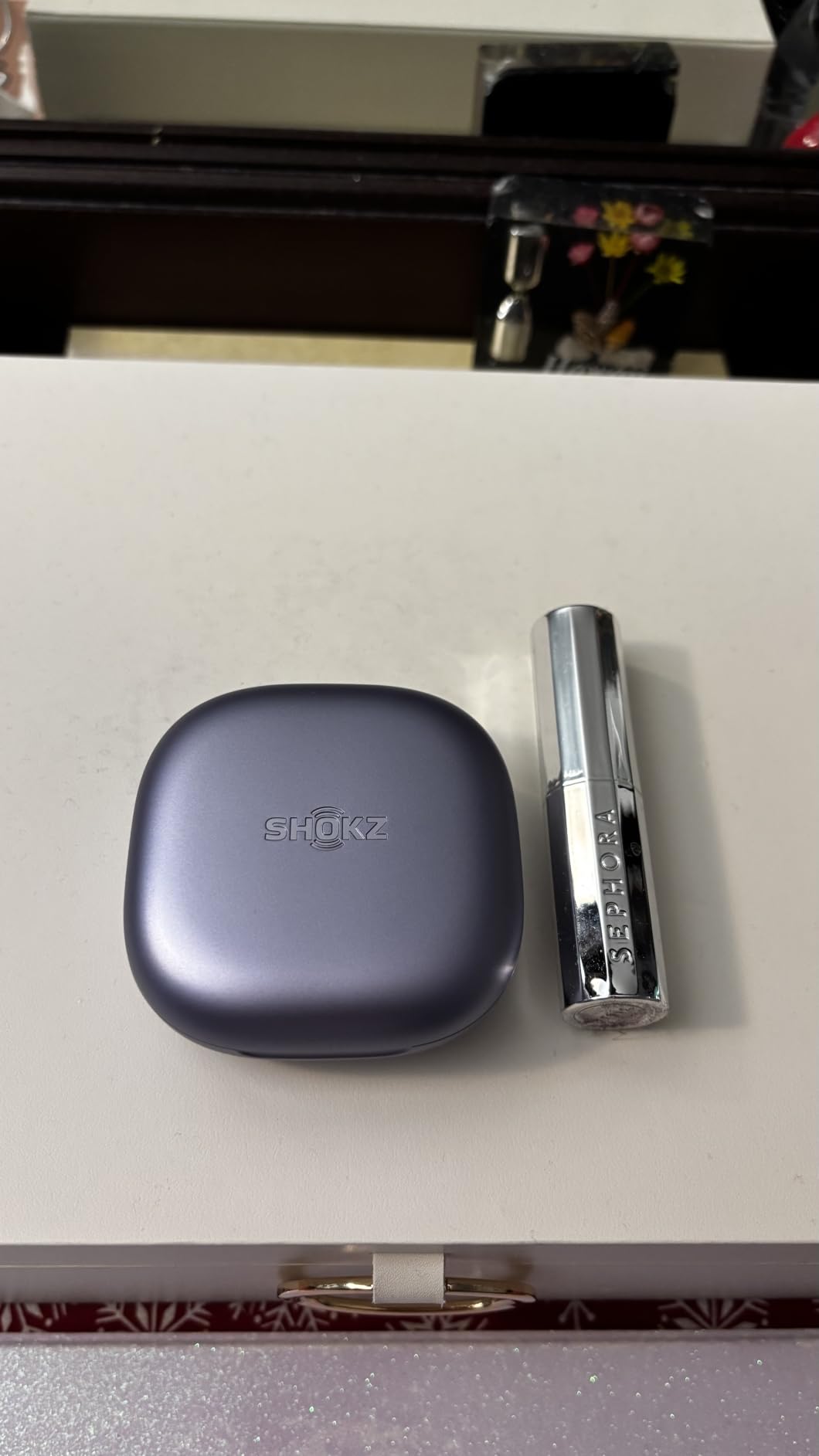
Battery life is 11 hours per charge and 48 hours total, with a wireless charging case and a ten-minute quick charge returning about two hours. That is a serious endurance figure for an open design.
Physical multifunction buttons on both sides give you accurate control without the accidental touches that plague open-ear earbuds, and four AI-enhanced microphones keep calls clear in noisy settings. Multipoint pairing is supported over Bluetooth 5.4.
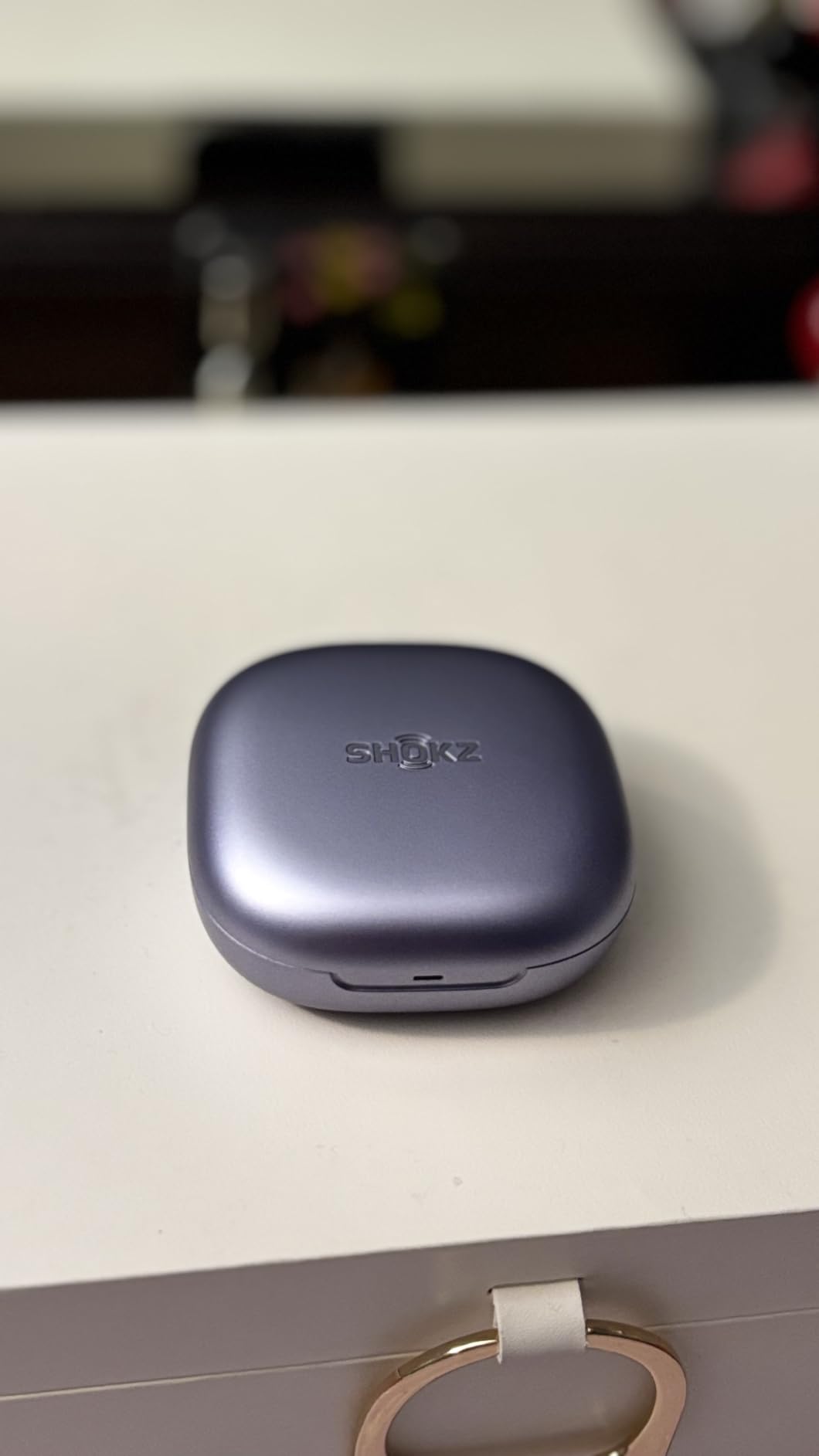
What full-range open-ear sound gets you
The hook wraps around the outer ear and the drivers point into the ear from outside, so you keep partial awareness of traffic and colleagues. Nothing is sealed, and nothing presses.
It is the pair I would pick for someone who wants open-ear freedom but finds every clip thin and tinny. This one does not sound like a compromise.
Where it falls short
Open-ear design cannot match the isolation of a sealed in-ear ANC model on a plane or a busy train. If noise is your primary problem rather than comfort, this is the wrong category.
The hook shape does not suit every ear profile, and the price sits far above the clip-on alternatives in this roundup. Both are real, and the second is a genuine barrier for a lot of people.
8. SHOKZ OpenRun Pro 2 Mini: built for hours of movement
SHOKZ OpenRun Pro 2 Mini Bone Conduction Bluetooth Sport Headphones, Black
Bone and air conduction drivers
30 g titanium alloy build
12 hours battery
IP55 rated
Pros
- Dual drivers combining bone and air conduction
- Open design keeps full situational awareness
- Secure fit with memory wire ear hooks
- 12 hours battery with a 60-minute charge
- Calls stay clear thanks to dual wind-resistant mics
Cons
- Bass depth is limited for critical listeners
- Others can hear playback in quiet places
- Premium price against in-ear buds
- 12 hours needs daily charging for heavy use
The Mini version of the OpenRun Pro 2 is the one to look at for small ears, and the reason is the headband geometry. The titanium alloy band sits behind the head and the ear hooks wrap the outer ear, so there is nothing resting in the concha at all.
The whole frame weighs 30 g, and the ear hooks use nickel-titanium memory wire to hold a consistent grip. It is the sort of fit that stays put through a long run without you noticing it, which is exactly the standard small ears need.
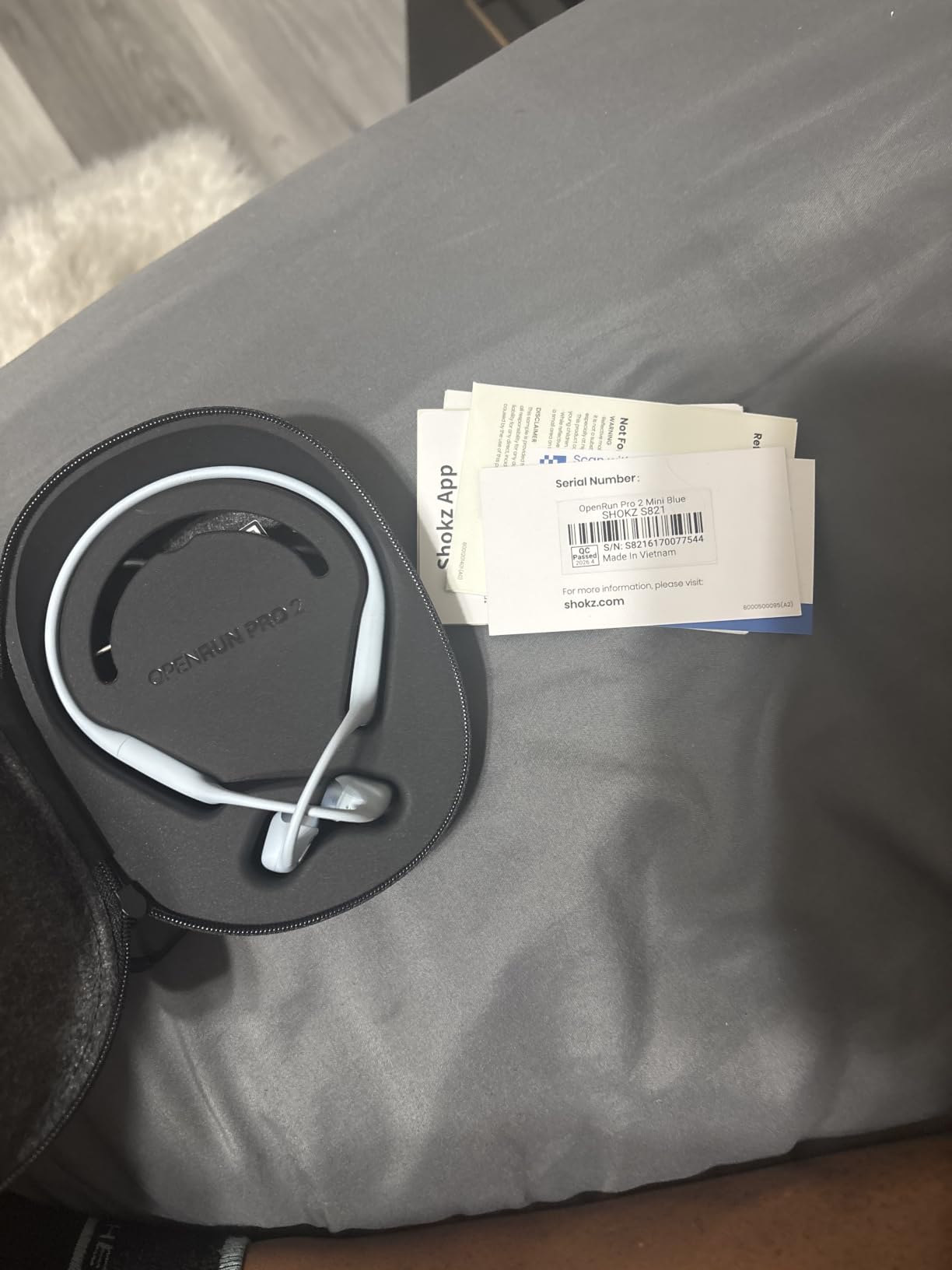
Audio is a dual driver system combining bone conduction clarity with air conduction bass, tuned through the Shokz app with Classic and Volume Boost modes. It is not the deepest bass in this roundup, but the presentation stays clear and present.
Call quality is where this really stands out. Dual wind-resistant microphones with AI noise reduction are credited with filtering 96.5 percent of background noise, and that figure matches what you hear on a windy street. Battery is 12 hours with a 60-minute charge, and there is a two year warranty.
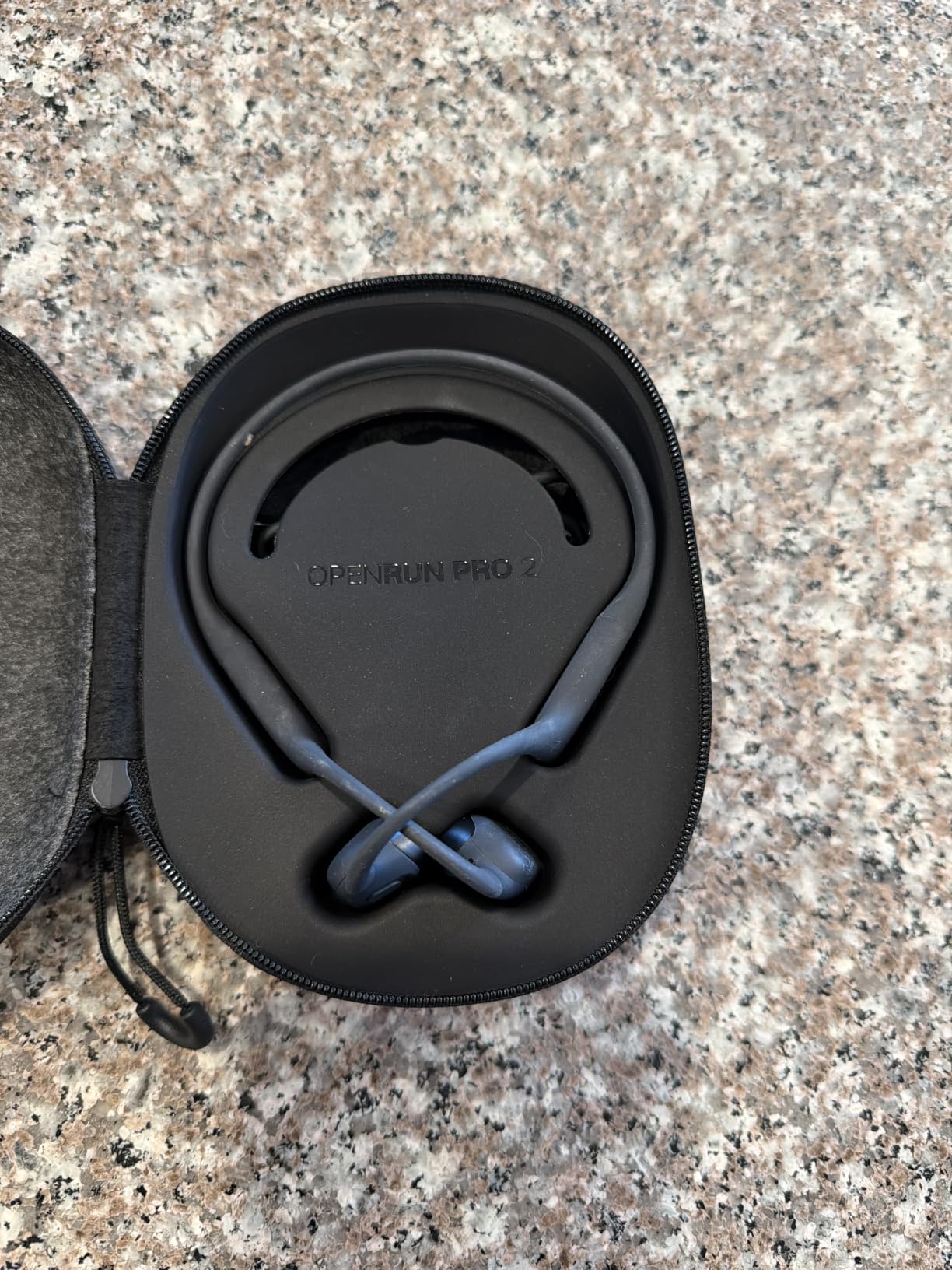
Why awareness matters for small ears
Because nothing seals your canal, you hear approaching traffic, cyclists and other runners without lifting a bud or lowering the volume. For outdoor sport, that is a genuine safety gain.
The band also means you do not have to reseat anything. Buyers who reseat earbuds constantly during movement are the ones who tend to end up here.
Where it falls short
Critical listeners will find the bass limited, and at high volumes in a quiet room your playback is audible to people nearby. That is an inherent property of the open design rather than a defect.
The price is well above any in-ear pair in this roundup, and 12 hours of battery means daily charging for heavy users. It is also a headband rather than independent earbuds, so you cannot use one side alone.
9. SHOKZ OpenDots 2: the pair that fits either ear, which helps if your ears are different sizes
SHOKZ OpenDots 2 Open-Ear Clip-On Earbuds, Black, Dolby Audio, 3 Mics
6.4 g per earbud
Interchangeable left and right
Nickel-titanium JointArc
10 hours per charge
Pros
- Very light at 6.4 g for all-day wear
- Rich open-ear sound with dual 11.8 mm drivers
- Three microphones keep calls clear outside
- Earbuds work on either side with auto detection
- Wireless charging case and Multipoint pairing
Cons
- Roughly 100-150 ms latency for video and PC use
- In-concha module partly blocks awareness for some ears
- Case latch is not very secure
- Wind noise at higher speeds
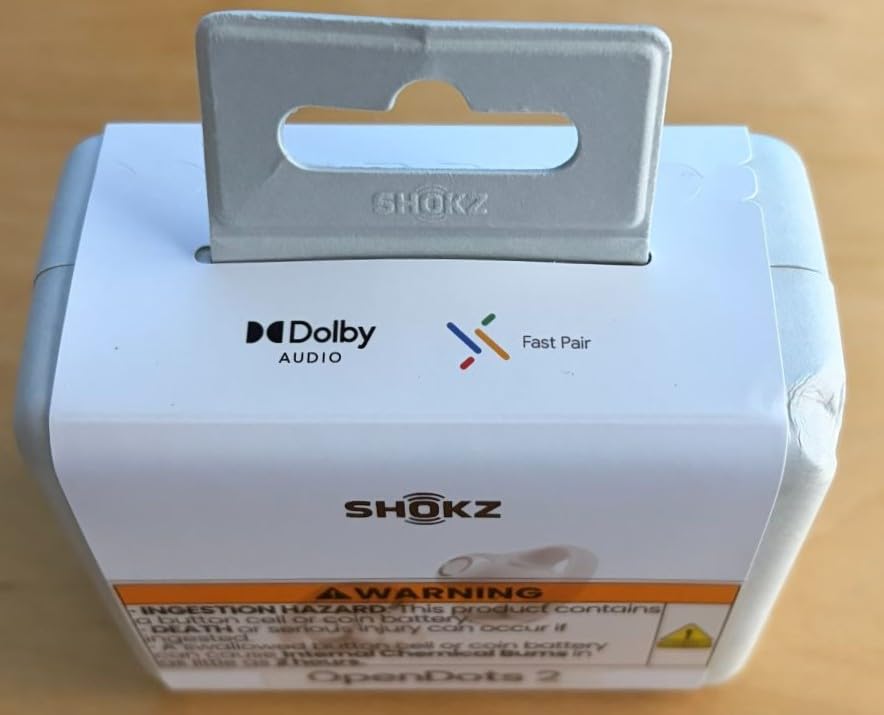
Almost nobody has perfectly symmetrical ears, and the OpenDots 2 is the only pair here that solves that. Because the left and right earbuds are interchangeable and the device detects which ear each one is in, you can swap them and everything still works.
For small ears that often differ, that removes a real source of frustration. Instead of tolerating one side that never sits right, you rotate them and both stay comfortable.
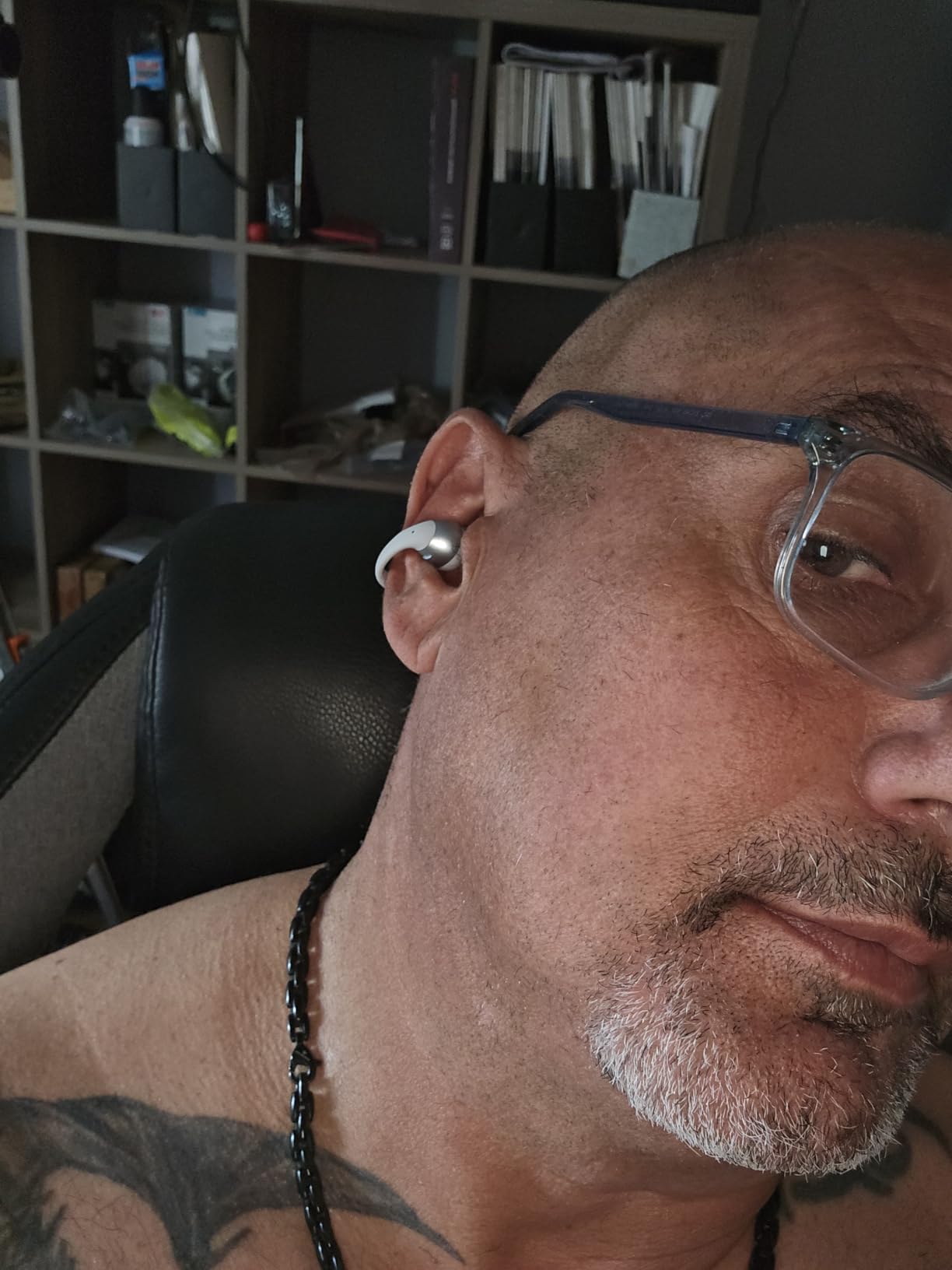
Sound is rich for an open design, with dual 11.8 mm drivers, a bass algorithm and Dolby Audio tuning. Owners frequently describe these as the most comfortable earbuds they have worn, and the 6.4 g weight supports that.
Three microphones combine one bone conduction unit with two air conduction units and beamforming, which is why calls stay clear on busy streets. The case charges wirelessly and the whole package supports Multipoint pairing over Bluetooth 6.1, with IP57 water resistance.
What the interchangeable design changes
You wear whichever bud is more comfortable in a given ear and rotate between sessions. For people with one noticeably smaller ear, that is a bigger deal than any sound difference.
It also means a single failed earbud is easier to work around, since the pair is not permanently assigned to one side.
Where it falls short
Bluetooth latency of roughly 100 to 150 ms makes video and PC audio noticeably out of sync, which will matter to you if you game or watch a lot on a laptop.
The in-concha module partially blocks ambient awareness for some ear sizes, which is a slightly odd outcome for an open-ear product. The case latch is also described as not very secure.
10. TOZO OpenEarRing: the clip built around glasses frames
TOZO OpenEarRing Open Ear Earbuds 40H Bluetooth 5.4 Lightweight Comfort
5.1 g per earbud
10 mm driver
10 hours per charge
40 hours with the case
Pros
- 5.1 g clip-on design with skin-friendly silicone
- Designed to avoid clashing with glasses frames
- Digital display case shows battery at a glance
- 32 EQ presets plus custom EQ in the app
- Stable Bluetooth 5.4 with 15 meter range
Cons
- Open architecture leaks sound and admits ambient noise
- No active noise cancellation
- Not suitable for loud environments
Glasses wearers with small ears face a specific problem. The temple arm occupies the space where a hook wants to sit, and any clip designed without that in mind ends up fighting the frame all day. The OpenEarRing geometry was shaped around that constraint.
At 5.1 g per earbud it is one of the lighter clips available, and reviewers highlight comfort for glasses wearers as the main reason to choose it. The skin-friendly silicone also avoids the rubber feel that makes some clips unbearable after a few hours.
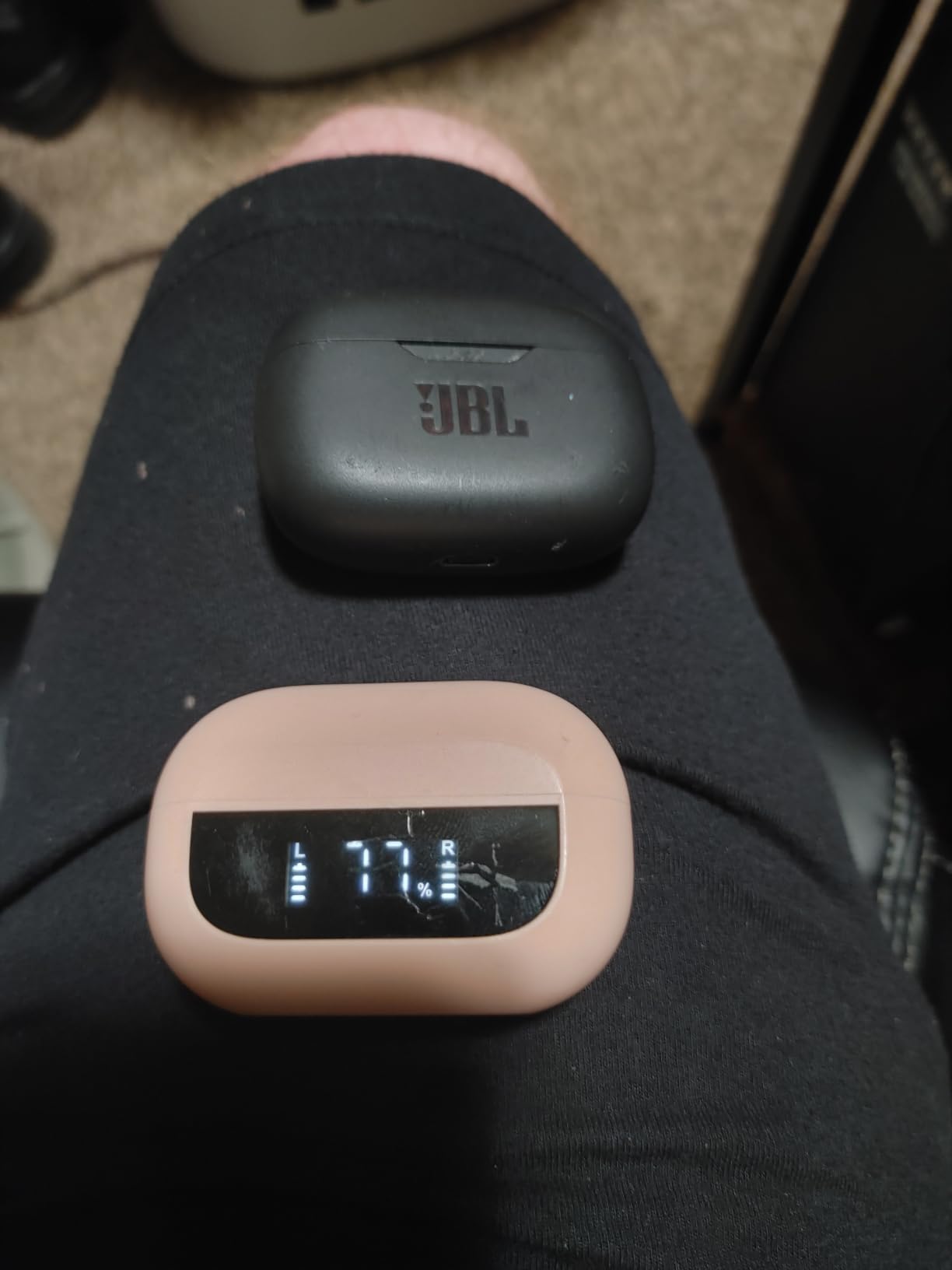
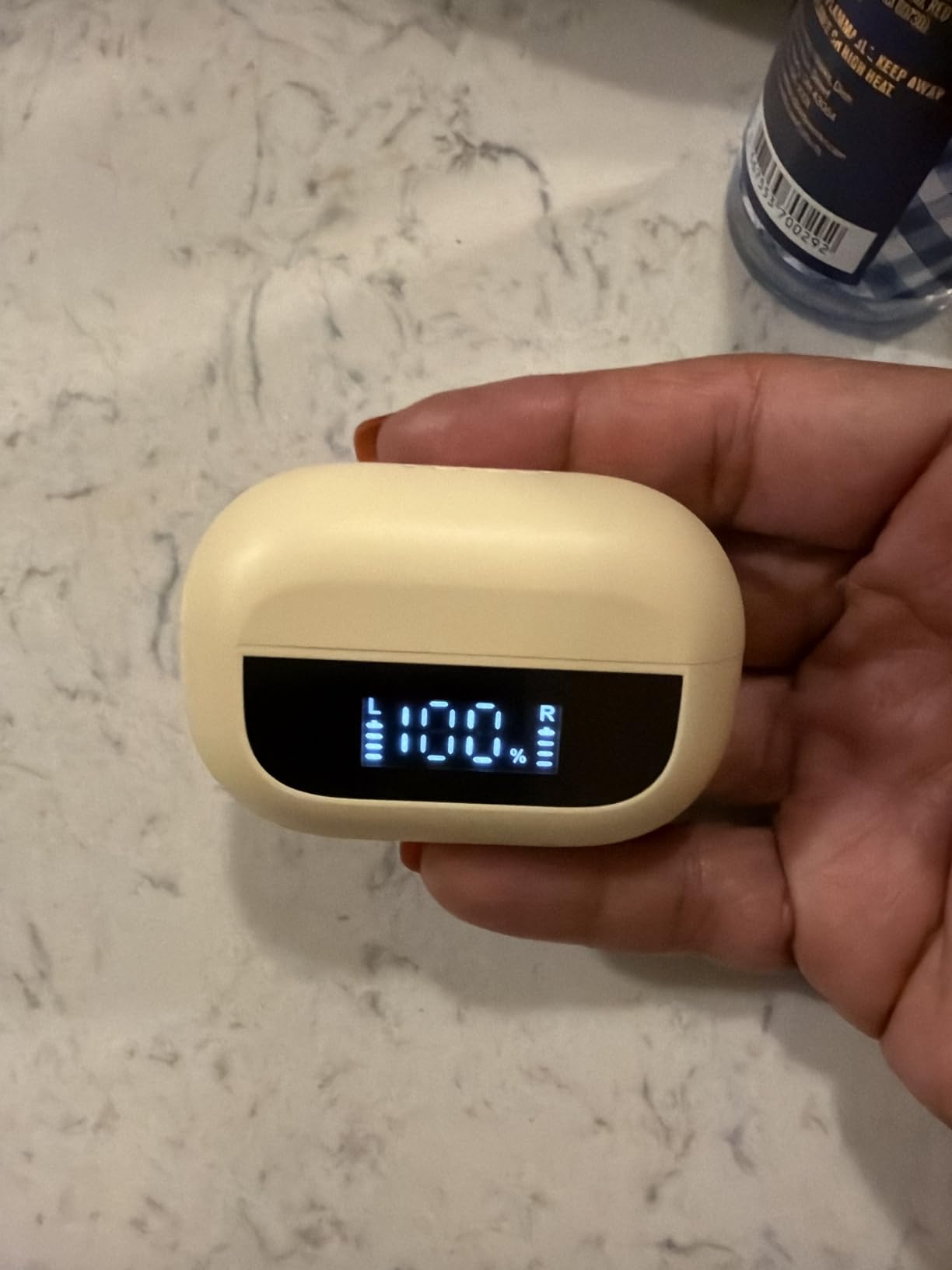
The digital display charging case is a small touch that makes a real difference. You can see remaining power at a glance instead of guessing, and there is a 10 hour per charge figure with 40 hours total.
Audio flexibility is genuinely good here. There are 32 EQ presets in the app plus custom EQ, which more than compensates for the weaker seal of an open design. Bluetooth 5.4 holds a stable connection out to about 15 metres and IPX5 handles sweat and rain.
Wearing these with frames all day
The clip sits forward of the temple arm rather than underneath it, which is the difference between a fit you forget and one you keep adjusting. This is the pair to try first if you wear glasses daily.
Because nothing enters the canal, there is zero pressure pain, and the fit does not change over a long day as a sealed in-ear bud does.
Where it falls short
Open-ear architecture both leaks your audio outward and lets ambient noise in, so it is the wrong tool on an aeroplane or a busy street. There is no active noise cancellation at all.
Sound is thinner and less isolated than sealed in-ear models, and the touch controls are the only input, so there is no physical fallback if you wear thick gloves.
11. King Lucky Clip-On Gen 3: the longest total battery in a clip design
King Lucky Clip-On Earbuds Gen 3, Open-Ear Wireless Bluetooth 6.0 Headphones with Mic, Secure Fit for Small Ears & Glasses Wearers, 50H Playtime, ENC, IPX5 Waterproof Sport Ear Buds (Purple)
5.2 g per earbud
13 mm drivers with dual-mic ENC
7 hours per charge
50 hours with the case
Pros
- Extremely light open clip that never enters the canal
- Works with glasses since the hook clears the frame
- 50 hours total battery with the case
- Dual-mic ENC keeps calls clear
- Stays secure during running and cycling
Cons
- Some users feel pressure behind the ear
- No noise isolation and weaker bass
- Clip fit can feel loose and need adjusting
- Tap controls confuse when using a single earbud
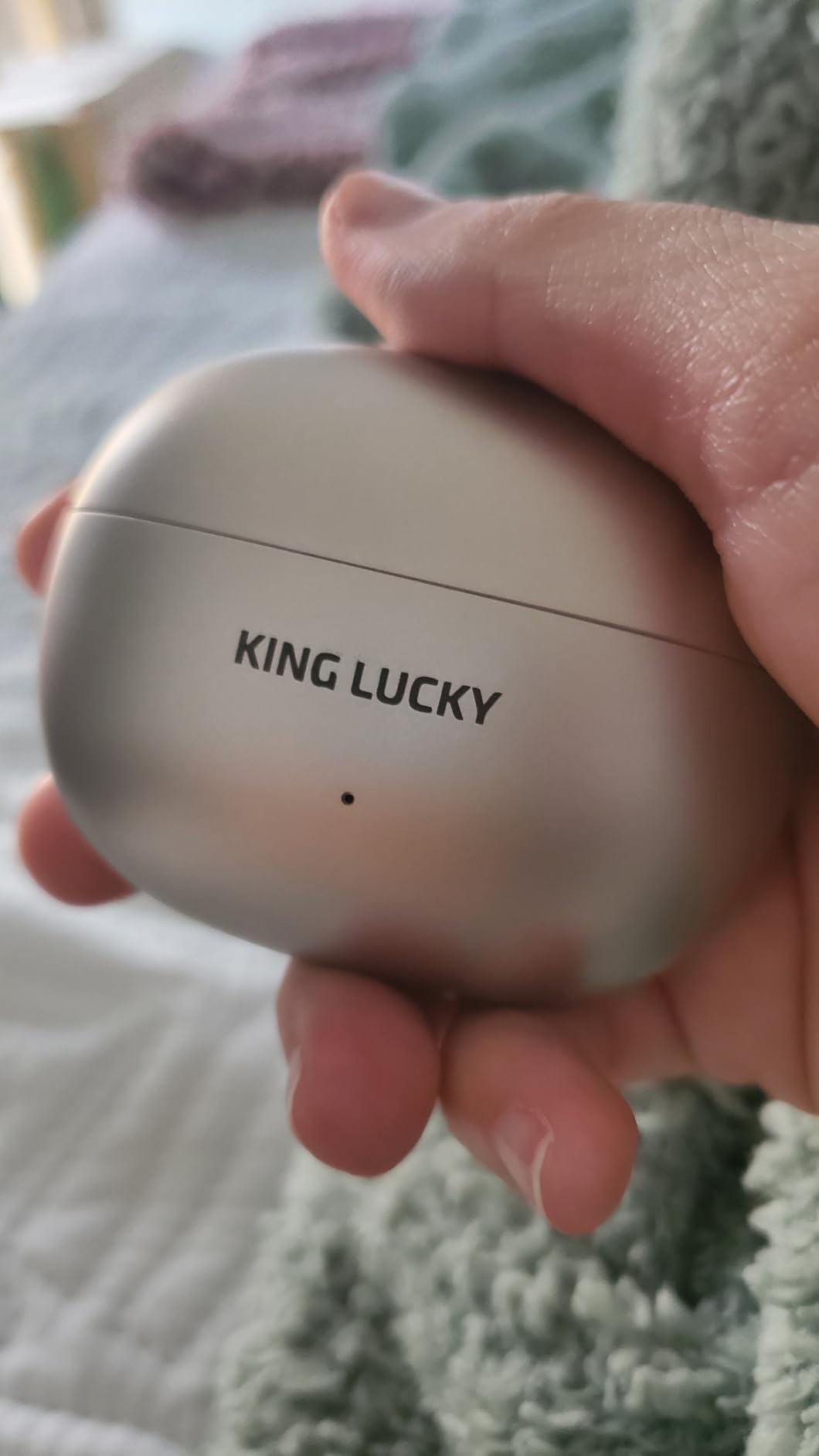
The Gen 3 uses a longer, thinner ear hook than the previous version, and the intent is reduced pressure behind the ear. That is a targeted fix for a specific anatomy problem, and owners with small ears tend to notice the difference immediately.
At 5.2 g per earbud nothing is inserted into the canal, so there is no insertion discomfort of any kind. The hook also clears a glasses frame cleanly, which keeps it in the same shortlist as the TOZO for frame wearers.

Battery is the headline number. Seven hours per charge and 50 hours total with the case is the longest total runtime of any clip in this roundup, which means you can leave the case at home for a week of commuting.
Calls are handled by dual-mic ENC and reviewers rate them clearly, which is not something you can say about most budget clips. IPX5 waterproofing covers sweat and rain, and it holds position through running, cycling and yard work.
Where the long hook helps
A thinner, longer hook spreads the same grip over more surface, so the pressure sits along the ear rather than in one concentrated spot. If the previous version left you sore after an hour, this is the version to try.
It also stays put during movement, which matters for anyone whose complaint was buds falling out while walking to the station.
Where it falls short
Some users still feel pressure behind the ear after extended wear, so the longer hook reduces the problem rather than removing it for every ear shape.
Bass is weaker than sealed in-ear models and there is no isolation whatsoever, so audio in a loud environment is a losing proposition. The clip fit can also feel slightly loose until you adjust it, and single-earbud tap controls are confusing.
12. UGREEN HiTune S3: the clip with a published fit ceiling
UGREEN HiTune S3 Open Ear Earbuds, Bluetooth 5.4, Clip on Earbuds, Black
5.3 g C-shape clip
12 mm drivers
7.5 hours per charge
30 hours with the case
Pros
- Light C-shape clip that adjusts without entering the canal
- Keeps full awareness of surroundings
- 15 minute charge returns 120 minutes
- Dual device pairing and low-latency Game Mode
- AI noise cancelling keeps calls clear
Cons
- Brand states a 2.5 cm maximum clip size
- No companion app for EQ or control changes
- Touch-only with no physical buttons
- Wireless range limited to about 10 metres
This is the one clip in the roundup with a published maximum clip size, and for small ears that is unusual honesty. The stated ceiling is 2.5 cm, so measure before ordering; if your ear rim is smaller, no adjustment will make it sit right.
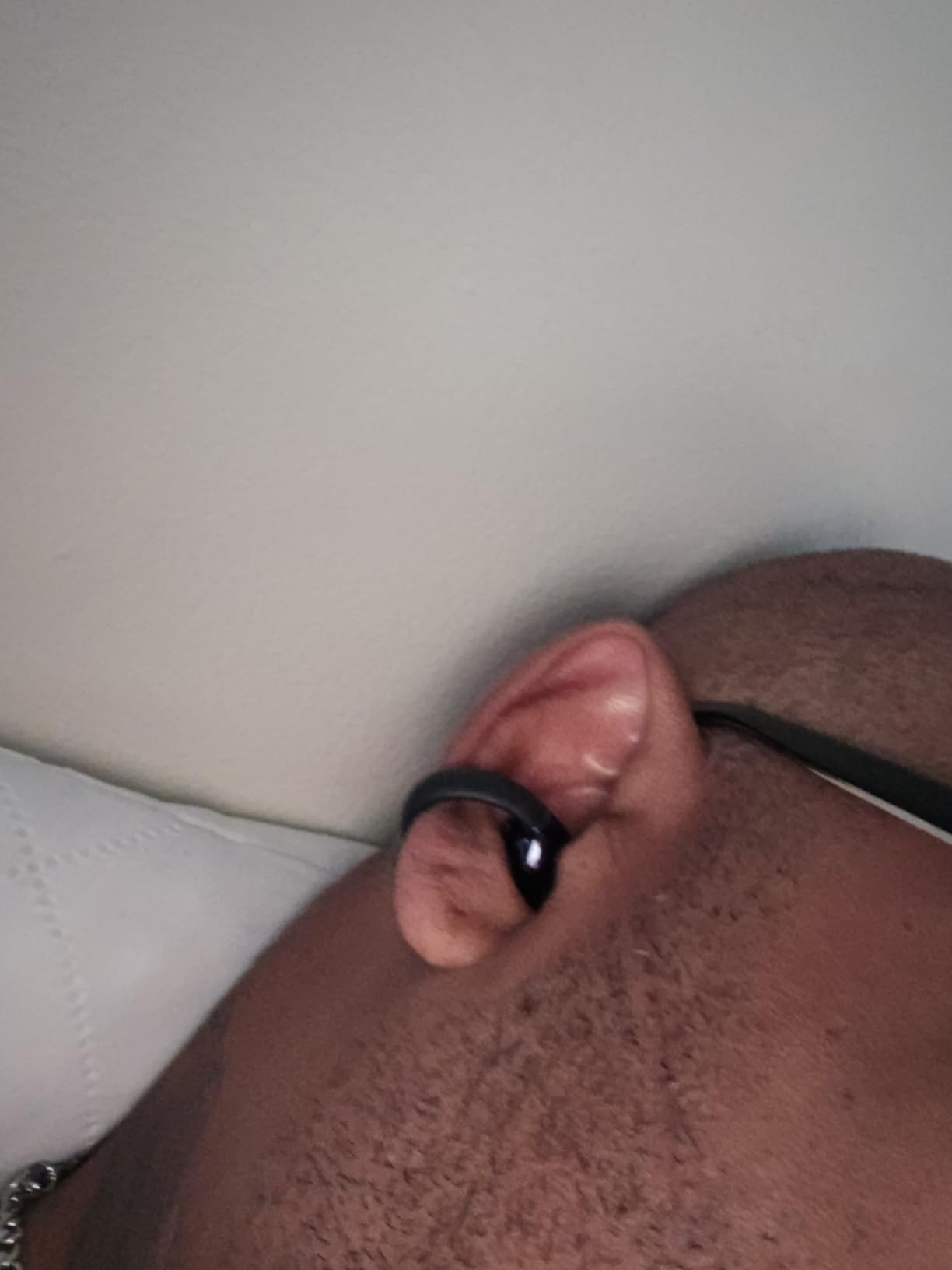
The C-shape adjusts to the edge of the ear without entering the canal, and at 5.3 g it is light enough to forget. Full environmental awareness is the main draw for cycling and hiking, where hearing a vehicle matters more than bass.
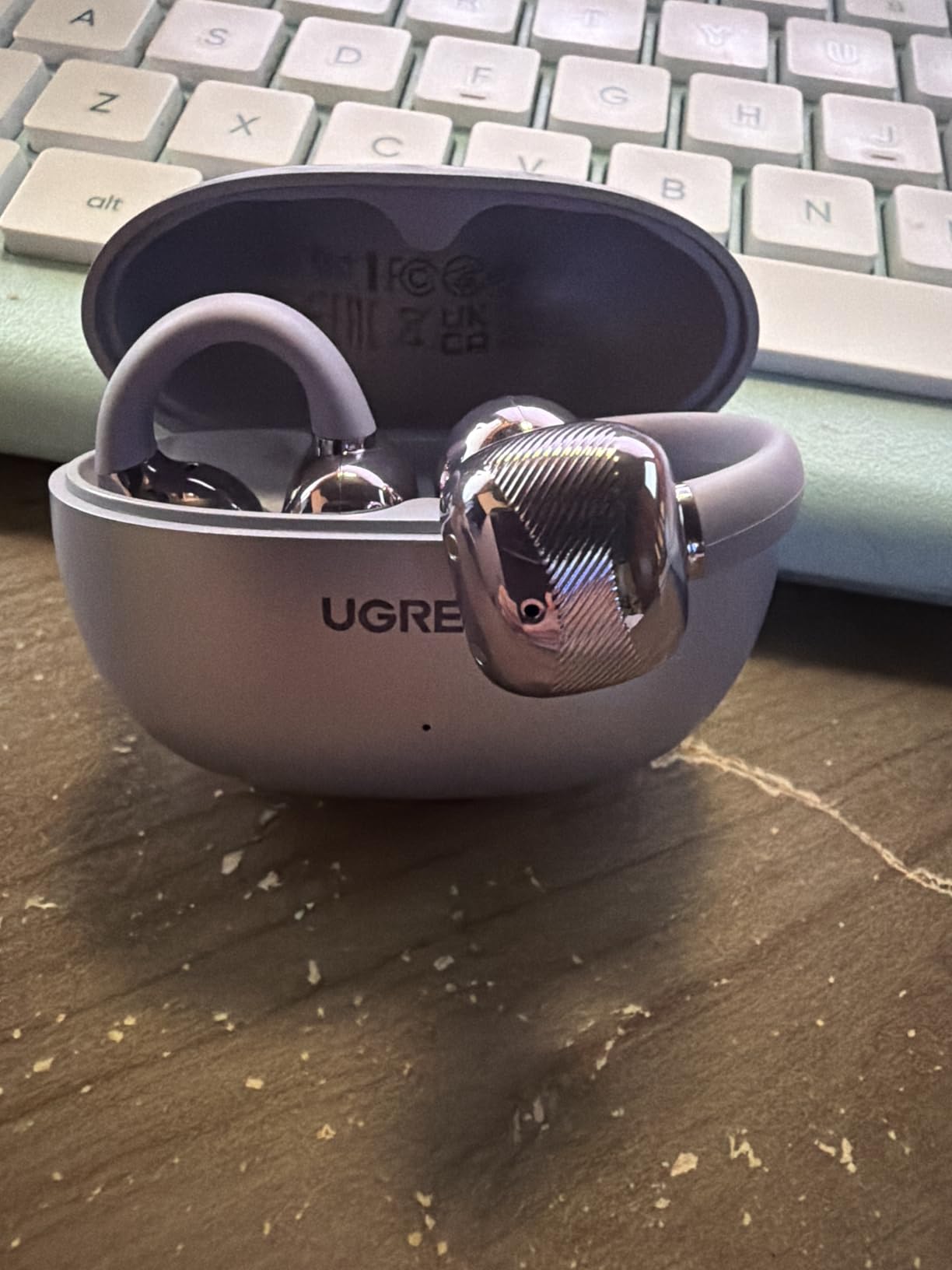
Battery is 7.5 hours per charge and 30 hours total, with a fast charge that returns 120 minutes of playback from a 15 minute top-up. That recovery speed is the useful part when you are out for a whole day.
Bluetooth 5.4 supports dual device connection and a low-latency Game Mode at 0.08 s, and AI noise cancelling handles call quality. IPX5 nano-coating handles sweat and light rain.
Why awareness is the deciding feature outdoors
On a bike or a trail there is no seal to inflate perceived loudness, so the design keeps ambient sound in rather than fighting it. You hear traffic and other trail users naturally instead of turning volume up.
That is the opposite trade from an in-ear ANC model, and for road cycling it is the trade you want. It is also why bass sounds restrained compared with sealed buds.
Where it falls short
There is no companion app, so EQ and control customisation are unavailable, which is a real loss if you dislike the default tuning. Controls are touch-only, with no physical buttons to fall back on.
Wireless range is limited to about 10 metres, shorter than most rivals, and the 2.5 cm fit ceiling rules the pair out for larger ears entirely.
How to choose earbuds that fit small ears
Fit is decided by three independent variables, and only checking one of them is how people end up returning perfectly good earbuds. Weight sets how much the bud pulls on the concha. Nozzle length decides whether the body stays inside the ear or butts against the tragus. Tip range determines whether you can find a seal without pressure.
Add security features as a fourth filter if you walk, run or talk a lot. Wings and hooks hold a bud when the housing cannot, and a twist-lock or cuff spreads pressure across the outer ear instead of concentrating it in the concha.
Control type is worth thinking about for this audience specifically. Touch controls misfire constantly when a small bud sits proud in a small ear, because your finger, your cheek and your pillow all brush the panel. A physical button, as on the Soundcore C50i or the SHOKZ OpenFit 2+, removes an entire category of annoyance for these designs.
Six criteria worth checking in this order
Per-earbud weight. Aim for under 5 g for in-ear models. Open designs sit slightly higher at 5 to 6.5 g because the weight sits outside the ear.
Nozzle depth. A short nozzle that keeps the body inside the concha is the single most reliable comfort signal on the spec sheet.
Smallest included tip. Look for a genuine extra small, and treat a count of two sizes as a warning. Back Bay Audio Mini ships six sizes.
Foam versus silicone. Foam compresses on insertion and is kinder to narrow canals, but it needs a light bud to hold it compressed.
Security hardware. Ear wings, hooks, twist-locks or cuffs, in that order of how much they help against fall-out.
Control type and battery. Physical buttons if you are a side sleeper or wear gloves. Check per-charge hours as well as total, because a small case often means short sessions.
How to tell if a pair is too big for you
There are four symptoms, and the first two are decisive. If the housing visibly protrudes past the concha, it is too big and a smaller tip will not fix it. If you feel a pressure point at the front of the canal entrance after a few minutes, the nozzle is too long or too wide.
Constant reseating is the third signal, and it usually means the body has nowhere to sit. The fourth is pressure pain that builds across a session rather than fading, which points to mass and material rather than size alone.
Run this fit test in your first ten minutes
Do this before you leave the house, because it is the only way to know before the return window closes. Start with the largest tip and work down one size at a time, reseating the bud each time rather than pushing it deeper.
Then talk for a full minute, walk around, and shake your head. Buds that shift when you chew or talk were never a fit no matter how good they sound sitting still. Finally, lie on each side for a few minutes; if pressure appears, side sleeping is ruled out for that pair.
Pick your form factor by which problem you have
Sealed in-ear models give the best sound and the best noise isolation, but they need a narrow canal and a shallow enough concha to accept a body. Half-in-ear designs, where a bud rests at the canal entrance, split the difference and suit people who cannot tolerate a deep nozzle.
Clip and cuff designs solve everything for small ears and give up isolation entirely, which is fine on a walk and wrong on a plane. Bone-conduction headband models go one step further and sit around the ear with nothing touching the canal at all, at the cost of a headband and lower bass.
On reliability and warranty
Owners of budget earbuds report units failing within months far more often than premium pairs, and connection dropouts are the most common early symptom. I would rather you lose a few dollars than a few weeks, so buy from a retailer with a straightforward return window and keep the packaging until you have tested a full week of daily use.
Check the warranty length before you commit, too. Two years is available on the JLab JBuds Mini, the JLab Flex and the SHOKZ OpenRun Pro 2 Mini, which is a meaningful difference against one-year coverage on generic models.
Frequently Asked Questions
What are some good earbuds that won’t hurt my small ears?
The Back Bay Audio Mini is purpose-built for small ear canals, with a slim low-profile housing, six included tip sizes and an IPX7 rating. The JLab JBuds Mini at 3.3 g per earbud and the MOZOTER Mini at 3.7 g are the lightest sealed options, and open designs like the Soundcore C50i and JLab Flex avoid the canal entirely.
Which earbuds are least likely to fall out?
Security comes from the body sitting flush, plus a wing, hook, cuff or twist-lock. Back Bay Audio Mini and JLab JBuds Mini sit flush because their housings are small, while the Soundcore C50i and JLab Flex use a clip or cuff that spreads pressure across the outer ear. If your housing protrudes past the concha, no tip will stop it falling out.
What are some comfortable earbuds for small ears?
Comfort tracks per-earbud weight, nozzle length and tip range. The JLab JBuds Mini at 3.3 g, MOZOTER Mini at 3.7 g, TOZO OpenEarRing at 5.1 g and Soundcore C50i at 5.1 g per earbud are the lightest options here. For zero canal contact, the JLab Flex cuff and SHOKZ OpenRun Pro 2 Mini sit entirely outside the ear.
What are the best earbuds for really small ears?
For the smallest anatomy, the shortlist is the Back Bay Audio Mini for a purpose-built slim housing, the JLab JBuds Mini at 3.3 g per bud, the MOZOTER Mini at 3.7 g, and clip or cuff designs such as the Soundcore C50i and JLab Flex if nothing entering the canal is acceptable.
What are the best earbuds that don’t fall out of my ears?
Buds with wings, hooks, cuffs or twist-locks hold position better than plain sealed in-ears. The Soundcore C50i uses an adaptive memory titanium clip, the JLab Flex uses a cuff that wraps the outer ear, and the SHOKZ OpenRun Pro 2 Mini uses memory wire ear hooks on a titanium band. Bump and shake testing before you leave the house is the fastest way to check.
Why are my ears too small for earbuds?
Two different problems get filed under that complaint. Small outer ears mean a normal housing protrudes and gets knocked loose, which needs a shorter body, a wing, a hook or a cuff. Narrow ear canals mean even a small tip creates pressure pain, which needs low weight, a short nozzle and compressible foam tips. Correctly identifying which one you have determines which fix works.
How do I tell if earbuds are too big for my ears?
Look for four signs: the housing visibly protruding past the concha, a pressure point at the canal entrance after a few minutes, constant reseating while walking or talking, and pressure pain that builds across a session. A protruding housing is the clearest signal, and a smaller ear tip will not correct it.
Are open ear earbuds better for small ears?
They solve the problem rather than working around it, because nothing enters the canal. The cost is isolation: open designs admit ambient noise, leak your audio outward and produce less bass. Choose them for comfort, glasses, running and side sleeping, and choose sealed in-ear or ANC models if noise is your bigger problem.
Conclusion: who should buy what
If your canals are narrow and a standard housing feels like it is perched on the edge of your ear, start with the Back Bay Audio Mini. Its slim low-profile body, six tip sizes and strong warranty service make it the safest bet in this roundup, and it stays flush during exercise and sleep.
Buy the JLab JBuds Mini if you want the lightest sealed option and can live with 5.5 hours per charge. Choose the MOZOTER Mini if budget decides it, and the Sony WF-C510 if battery life per charge matters more than active noise cancellation.
If nothing entering the canal is acceptable, you are no longer choosing between models but between clip geometries. The Soundcore C50i wins on physical buttons, the JLab Flex wins on zero pressure and side sleeping, the TOZO OpenEarRing and King Lucky Clip-On Gen 3 win for glasses wearers, and the UGREEN HiTune S3 wins for awareness outdoors. Spend more only when sound matters, in which case the SHOKZ OpenFit 2+ is the strongest open-ear sound in the group and the OpenRun Pro 2 Mini is the most secure for long runs.
Whichever you choose, test the fit for a full week before you commit, and start your search with the three checks above. That is how you finally end up with earbuds you stop noticing.