
A ceramic coating is a liquid polymer, usually silica (SiO2) based, that you spread over clean paint, let flash, and level off so it cures into a thin, glass-hard, water-repellent film. That film is what makes washing easier, gloss deeper, and the clear coat hold up longer under UV, salt, and road grime.
We spent weeks working through the shelf of “ceramic coating for cars” products that actually ship to consumers, because the category is crowded with products that advertise identical numbers and behave nothing alike. Some are true liquid coatings that bond chemically to the clear coat. Some are spray sealants that behave more like a very good wax. Knowing which is which saves you from sealing in swirls you didn’t know you had.
Below is our short version: the Gtechniq C2 is the pick we hand to friends and family who want protection without a paint correction project. If your car is already glossy and you just want easier washing, a spray sealant is the smarter buy. Read on for all twelve, plus what actually destroys a coating and how to keep one alive in 2026.
Table of Contents
How We Picked the Best Ceramic Coatings for Cars
Anyone can spray a shiny liquid on a car and post a photo an hour later. Gloss tells you almost nothing about how a coating will perform six months later, so we weighted our criteria differently.
First, prep tolerance. A coating that only looks good on a corrected, clay-barred, IPA-wiped surface is not a bad product, but it is a professional product, and we label it that way. Second, hydrophobic behaviour after real contamination, not just beading on a rinsed hood. Third, how the finish ages through repeated washes. Fourth, honest claims: when a brand states 9H or 10H Mohs hardness, we ask what that number actually means in the field.
Fifth, whether the product can be applied in a home garage without a heat lamp, infrared timer, and a closed booth. Finally, real coverage. The kit size matters more than most listings admit, because running out of coating halfway through a hood is how high spots happen.
We also weighed owner feedback heavily, particularly long-term posts rather than first-day reveal photos. The detailing communities on Reddit, particularly r/AutoDetailing, are where owners post at the six-month and one-year mark, and that is the kind of evidence that separates a durable coating from a good-looking weekend.
Top 3 Ceramic Coating Picks (October 2026)

Gtechniq C2 Ceramic Sealant
- Spray-on microfiber application
- Strong beading
- Works as a top coat

Nexgen Ceramic Spray
- SiO2 spray sealant
- Safe on glass trim and wheels
- Three-step application
The Best Ceramic Coatings for Cars in 2026 at a Glance
Before the detail, the short list. Every pick below is labelled by what it is genuinely best at, and every one of them carries a caveat.
Best overall: Gtechniq C2 Ceramic Sealant, the least demanding liquid sealant that still beads hard and holds for seasons, though it leans on a properly decontaminated surface.
Best for quick maintenance: SHINE ARMOR Fortify Quick Coat, a waterless spray that cleans, shines and protects in minutes, though protection fades on a heavily driven car in weeks.
Best multi-surface spray: Nexgen Ceramic Spray, an SiO2 sealant rated for paint, glass, trim, wheels and chrome, though it costs more per ounce than a liquid wax.
Best for verifying coverage: Adam’s Polishes Advanced Graphene Ceramic Spray, with UV tracers that show missed areas under blue light, though it must be applied panel by panel.
Best for aged paint: Ethos RESIST Graphene Spray, which visibly lifts flat, ten-year-old clear coat, though it can streak on warm panels.
Best for enthusiasts: CARPRO CQUARTZ UK 3.0, 70% SiO2 at 99.9% purity with a measured working time, though it demands a proper paint correction first.
That is the short version. The table below puts all twelve side by side so you can see which category each one actually belongs to.
| Product | Specs | Action |
|---|---|---|
| Gtechniq C2 Ceramic Sealant |
|
Check Latest Price |
 SHINE ARMOR Fortify Quick Coat SHINE ARMOR Fortify Quick Coat |
|
Check Latest Price |
| Nexgen Ceramic Spray |
|
Check Latest Price |
| Adams Advanced Graphene Ceramic Spray |
|
Check Latest Price |
 Ethos RESIST Graphene Spray Ethos RESIST Graphene Spray |
|
Check Latest Price |
 Nano Bond Ceramic Coating 9H PRO Nano Bond Ceramic Coating 9H PRO |
|
Check Latest Price |
 Gtechniq Crystal Serum Light Gtechniq Crystal Serum Light |
|
Check Latest Price |
 CARPRO CQUARTZ UK 3.0 CARPRO CQUARTZ UK 3.0 |
|
Check Latest Price |
 Meguiars Ultimate Ceramic Coating Kit Meguiars Ultimate Ceramic Coating Kit |
|
Check Latest Price |
 CERAKOTE Professional 60 ml Kit CERAKOTE Professional 60 ml Kit |
|
Check Latest Price |
 SONAX Ceramic Spray Coating SONAX Ceramic Spray Coating |
|
Check Latest Price |
 Nasiol ZR53 Nano Ceramic Coating Nasiol ZR53 Nano Ceramic Coating |
|
Check Latest Price |
1. Gtechniq C2 Ceramic Sealant – Best Overall Ceramic Coating for Cars
Gtechniq C2 Ceramic Sealant for Cars, 33.8 fl oz
Liquid ceramic sealant
33.8 fl oz
Spray onto microfiber, one panel at a time
Pros
- Applies and buffs off in 20-30 minutes per vehicle
- Very slick wet-looking gloss with strong beading
- Works well as a top coat over an existing coating
- Unscented formula leaves no odor
Cons
- Less visual depth than a high-end paste wax
- Protection typically needs reapplication every few months
- Best results require a properly decontaminated surface
The Gtechniq C2 is the product we keep coming back to, and it earned the top slot here on the strength of one thing: it does almost nothing wrong. The formula is thin and watery, which sounds like a weakness until you spray it onto a damp microfiber and buff a panel. There is no spreading stage, no flash anxiety, no risk of high spots.
It is the rarest kind of ceramic product, one you can apply in a driveway with a hose, a bucket, and a few microfiber towels. On a mid-size car, a full pass takes roughly 20 to 30 minutes of actual work, and the beading you get afterwards is tight enough that rain runs off the roof rather than sitting on it.
Owners on the detailing forums consistently describe it as a maintenance product rather than a one-time event, which is how we use it too. Layered over a corrected panel it adds gloss and slickness. Layered over an older coating it refreshes the hydrophobic behaviour without needing a full correction.
The honest limitation is longevity. Gtechniq’s own positioning is a sealant, not a five-year coating, and owners report topping it up every few months on a daily driver. If you want something you apply once and forget, keep reading. If you want the best balance of effort and return in a weekend, this is it.
What the Gtechniq C2 does well in the real world
Two things stand out above the marketing. The first is slickness, which is not a marketing number but a felt difference: the towel glides across the panel, and drying after a rain shower takes a fraction of the time it used to.
The second is how forgiving it is of a car that is not perfect. On a daily driver with light swirls, a thin watery sealant levels out and does not magnify defects the way a thicker glaze can. The car looks cleaner for longer, which is the outcome most owners are actually chasing.
Where the Gtechniq C2 falls short
Gloss depth. If you are chasing a wet, mirror-like show finish, this is not the product, and the reviews are consistent on that point. You will get a slick, clean, evenly reflective surface rather than the depth a paste wax leaves behind.
It also does not correct anything. Swirls, oxidation, and etching stay exactly where they are, and this coating is thin enough that it will not hide much of them either.
2. SHINE ARMOR Fortify Quick Coat – Best Ceramic Spray for Fast Maintenance
SHINE ARMOR Fortify Quick Coat Ceramic Coating Spray, 16 fl oz
Waterless spray sealant
16 fl oz
1.19 pounds
Pros
- Very easy spray wipe and buff with no polishing
- Safe on paint glass and mirrors
- Strong water beading and hydrophobic effect
- Restores shine on older oxidized paint
Cons
- Protection can wear off within weeks on a daily driver
- Bottle size runs out quickly on larger vehicles
- Not a correction product and will not remove scratches
With nearly 95,000 reviews averaging 4.3 stars, this is the most widely used product in our entire list, and that is both its strength and its limitation. It sits at the number one position in Automotive Top Coats, which tells you how many people reach for it when they want a quick result in a garage on a Saturday morning.
The application is genuinely the easiest here. You spray it lightly on a small section, wipe with a damp microfiber, then buff with a dry towel. No clay bar, no polish, no IPA wipe. It removes light dust and fingerprints as it goes, which makes it a car-show staple and a sensible weekly maintenance step for a coated vehicle.
The beading and gloss show up immediately. On an older, oxidised car it does a surprising amount of cosmetic work, because the gloss it adds masks the flatness of weathered paint.
What it will not do is last. Owners on daily drivers in harsh climates report protection fading within a few weeks to a couple of months, which is exactly the erosion of the cost advantage we hear about from people who expected a real coating. Treat this as a spray sealant that happens to be excellent at its job, not as a substitute for a bonded coating.
The 16 fl oz bottle is genuinely small for a whole car. Owners of trucks and SUVs regularly note buying multiples, and since it is also the routine touch-up product once you have a real coating down, one bottle disappears faster than the label suggests.
Who this spray suits
It suits exactly three people well. Someone with a garage-kept car who wants shine without a project. Someone who already owns a proper coating and needs a fast, safe top-up between full applications. And someone who wants to see whether they enjoy detailing at all before spending an evening on paint correction.
It is also the safest product here to use casually. A missed panel or an over-application smudge is recoverable in seconds, which is not true of any of the liquid coatings below.
Where it disappoints
Durability is the honest answer. A few weeks on a daily-driven car in summer is a fair expectation, and building a protection strategy around it means reapplying monthly, which adds up in product and in weekends.
It is also not a correction product in any sense. If your goal is to remove swirls and oxidation, this will not touch them, and no amount of buffing changes that.
3. Nexgen Ceramic Spray – Best Multi-Surface Ceramic Spray
Nexgen Ceramic Spray Silicon Dioxide, Ceramic Coating Spray for Cars (16oz)
SiO2 ceramic spray sealant
16 oz
Three-step application
Pros
- Fast forgiving spray wipe buff with immediate depth
- Strong beading that survives storms
- Works on paint glass trim wheels chrome and vinyl
- One bottle covers several applications
Cons
- Higher price per ounce than a traditional liquid wax
- Some users feel results match a good liquid wax
- Surface must be very clean beforehand or marks show through
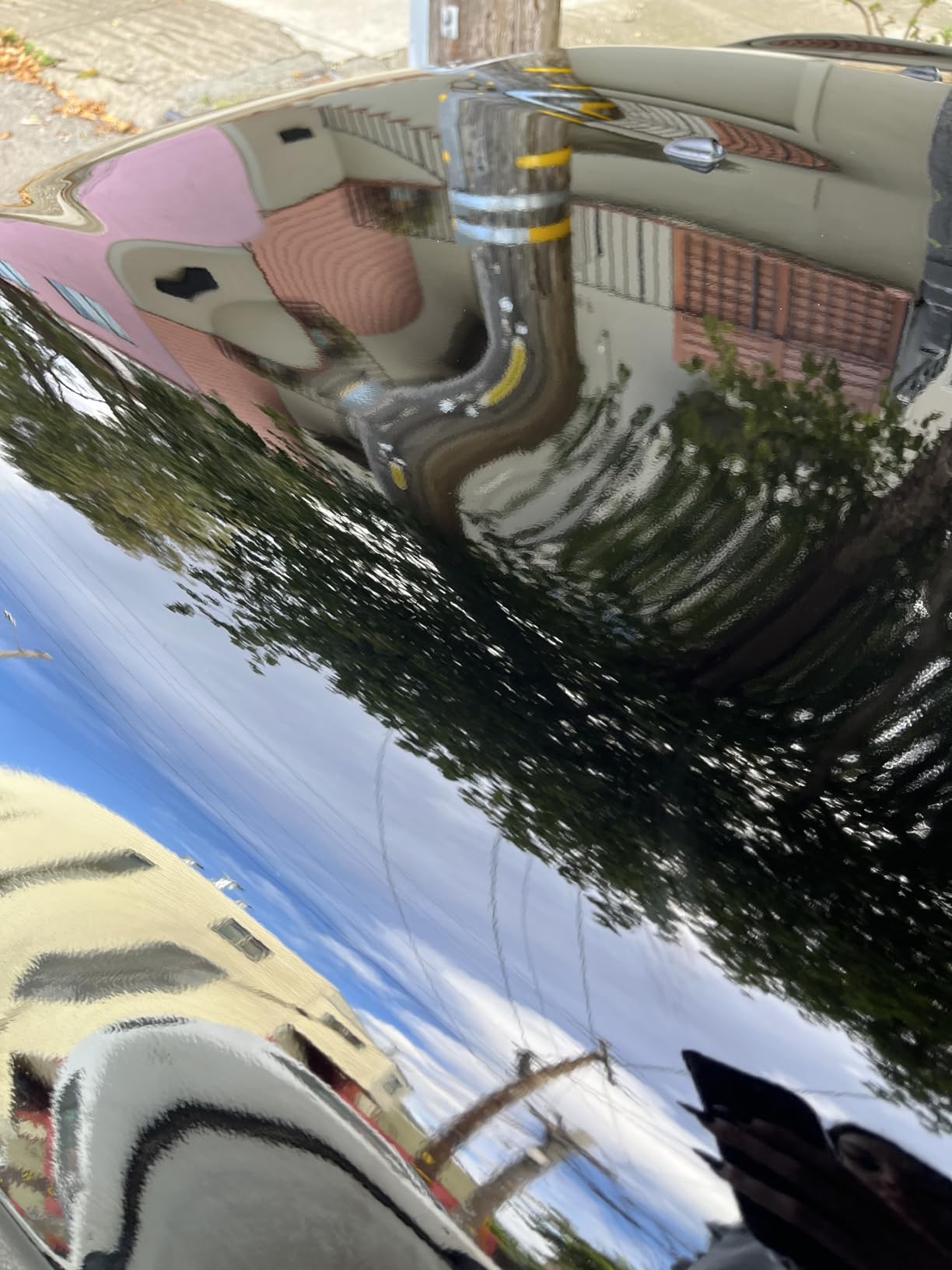
Nexgen is the one we recommend when a car is not just paint. Its surface list is the broadest in this roundup: paint, glass, plastic, rubber, vinyl, wheels, chrome, gelcoat, and even denim-finished panels. For a vehicle that lives outside in road salt, coating the plastics and wheels alongside the paint is where a spray sealant earns its place, because those surfaces are the first to chalk and fade.
The formula is a genuine SiO2 ceramic sealer rather than a wax with ceramic wording on the label, and it beads hard and survives extended rain and storms in owner reports. Application is the familiar three steps: spray, wipe, buff, with a very short learning curve.
Coverage is where it separates from cheaper sprays. The manufacturer states 8 oz coats a mid-size sedan four to five times, so a single 16 oz bottle is genuinely long-lasting for a sedan and reasonable for an SUV.
The reservation that comes up most is price per ounce against a conventional liquid wax. It is a fair criticism, and some owners feel the result is not dramatically better than a good wax. What tips it in our view is surface coverage: coating the wheels, trim, and glass in the same session removes the need for three separate products.
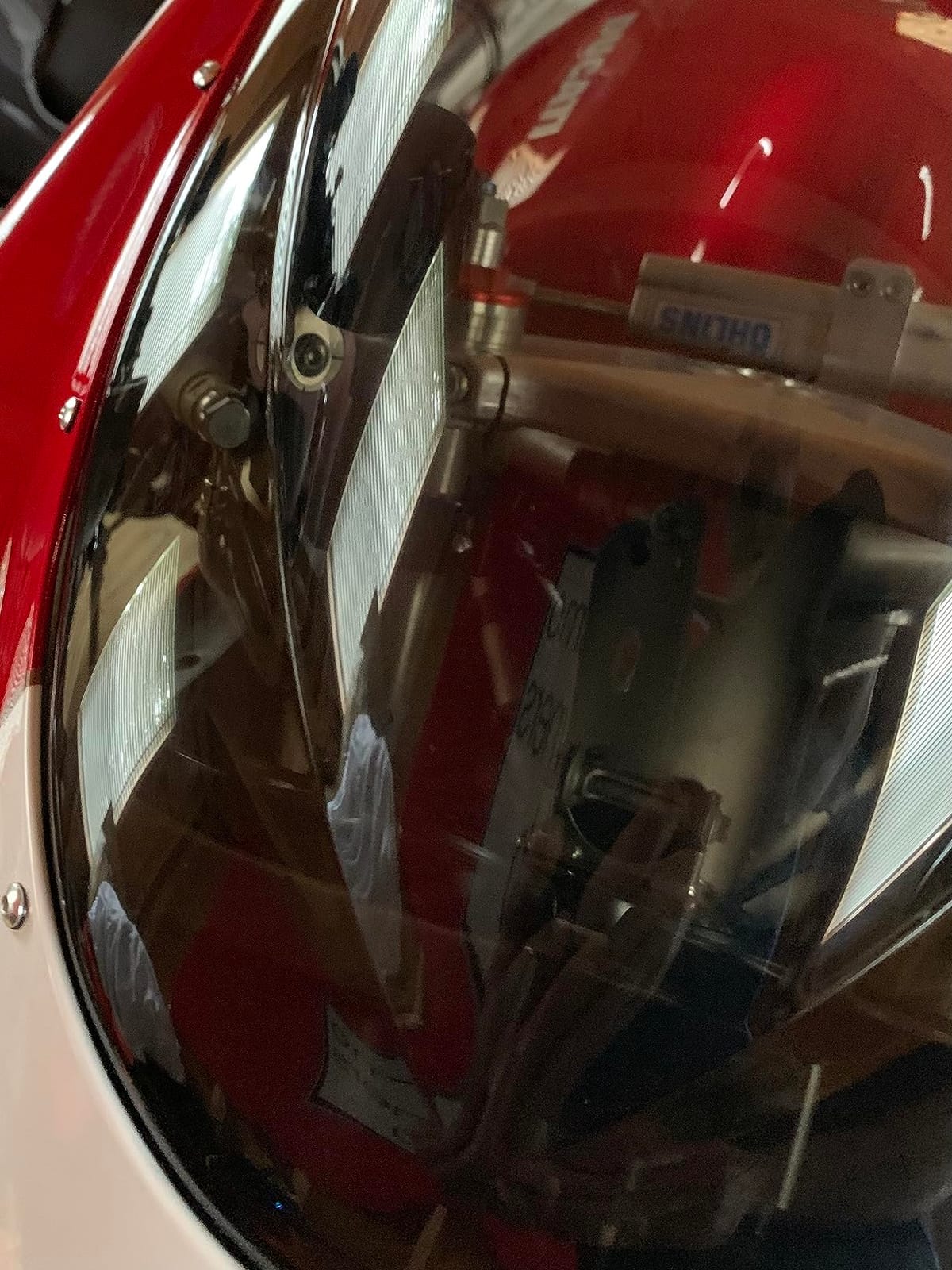
Why we rate it so highly for wheels and trim
Brake dust on a wheel face is the single most common thing owners complain about six months into a coating job, and the usual answer is a dedicated wheel coating. Nexgen’s one-product approach handles paint, glass, plastic trim, and wheels in the same bottle, which is a real simplification for a daily driver in a dusty or salty climate.
On glass, the benefit is less about bead size and more about sheeting. In moving rain, what matters on a windscreen is whether the water clears enough to keep visibility, and a well-applied spray sealant does that well enough for commuting speeds.
What to watch out for
Preparation. The thin film does not hide contamination, and because it is clear, any dust, wax residue, or water you apply it over becomes permanently visible in the finish. Wash and dry properly first, even though the product is otherwise undemanding.
Second, it is a sealant in the six-to-twelve-month class rather than a multi-year coating. Plan to refresh it twice a year on a daily driver.
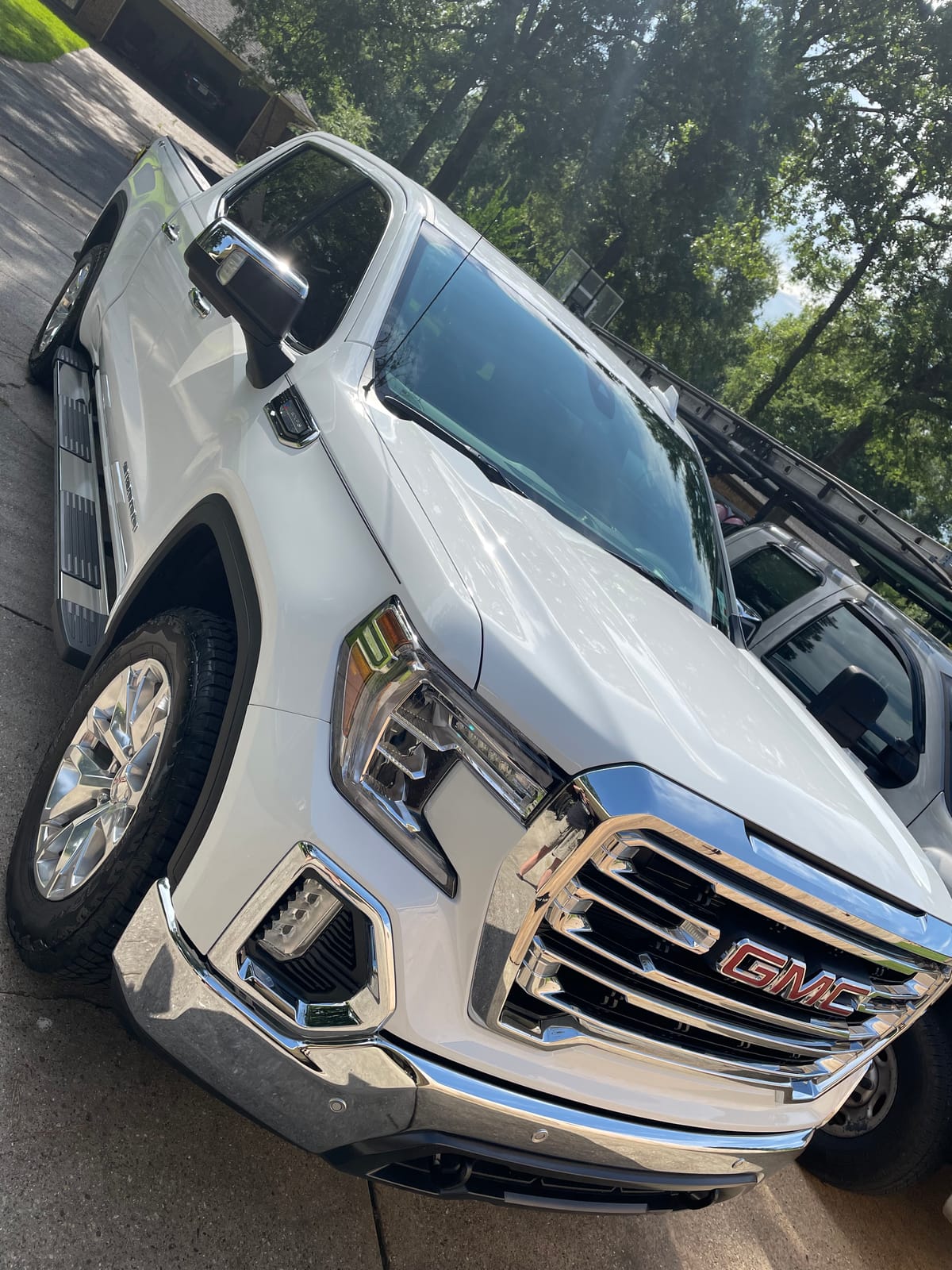
4. Adam’s Polishes Advanced Graphene Ceramic Spray – Best for Verifying Coverage
Adam’s Polishes Advanced Graphene Ceramic Spray Coating – 18+ Months Sprayable Graphene Oxide Ceramic Coating for Cars, Boats, RV’s & Motorcycle | Adds Extreme Gloss, Depth, Shine & Protection
Graphene oxide ceramic spray
12 fl oz
UV tracer coverage aid
Pros
- Strong gloss depth and slickness from simple spraying
- UV tracer technology confirms full panel coverage
- Safe on paint wheels glass trim canvas and metal
- Made in the USA with a satisfaction guarantee
Cons
- Best results require panel-by-panel work
- Shows existing swirls rather than correcting them
Adam’s took the graphene claim seriously. This is a graphene oxide infused ceramic spray, not a silica product with graphene on the label, and the practical difference owners report is depth of gloss and a slickness that persists through more washes than a basic sealant.
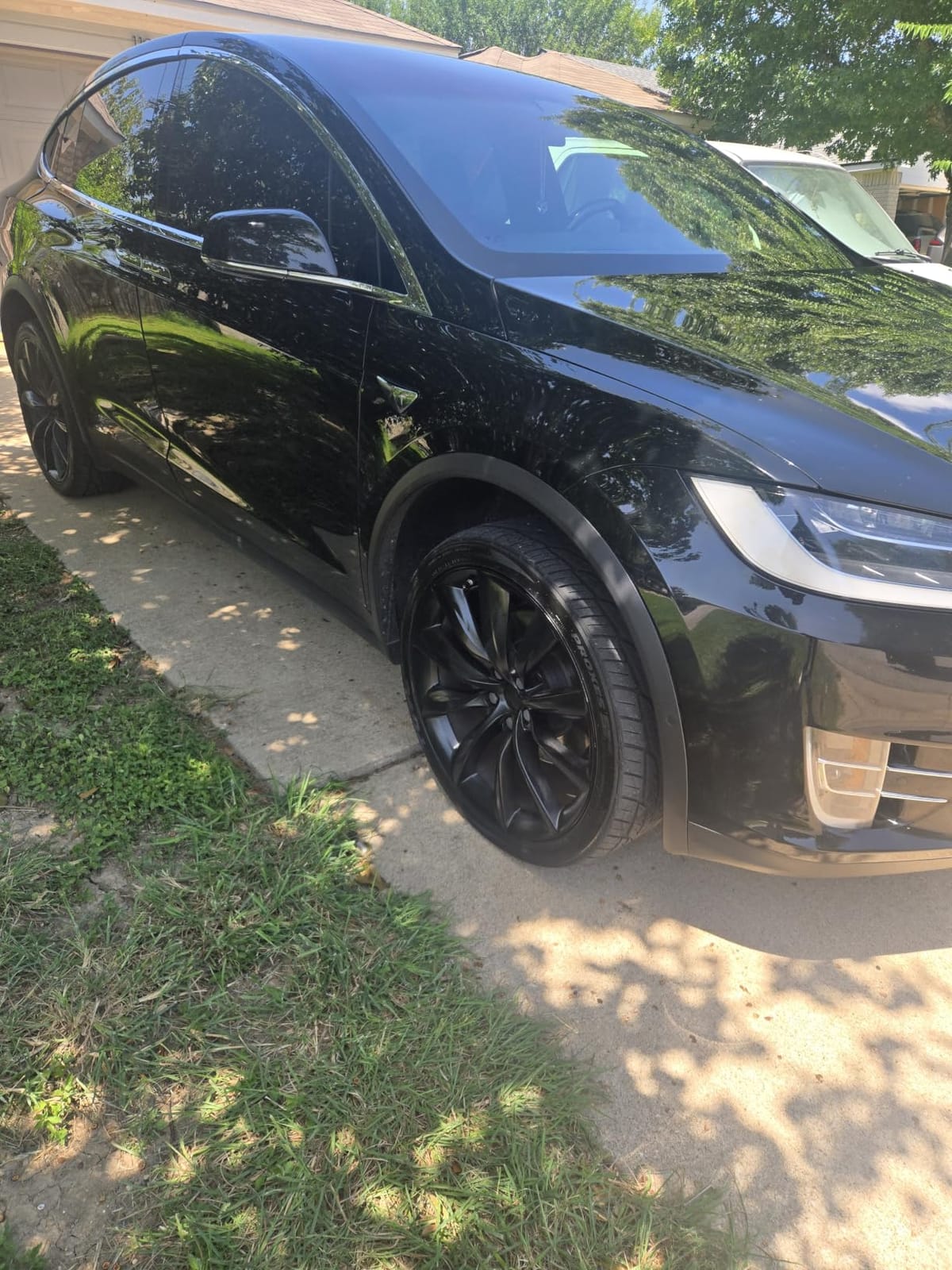
The feature that genuinely sets it apart is Ceramic Glow Technology, a patent-pending additive with UV tracers that makes treated areas glow under blue UV light. On a black or dark car, that is a genuinely useful verification tool: you can see at a glance which parts of the hood you missed, which is the difference between a coating that looks even and one that actually is.
Surface compatibility is broad, covering paint, wheels, glass, headlights, plastic trim, bed liners, tonneau covers, canvas tops, floor mats, chrome, and unfinished metal. The brand states a claimed 18+ months of protection.
Two honest caveats. First, the panel-by-panel recommendation is not optional if you want an even finish; spraying the whole vehicle at once is exactly how overspray and uneven coverage happen, and on a dark car you will see it. Second, this is a protection product, and it will make existing swirls more visible, not less.
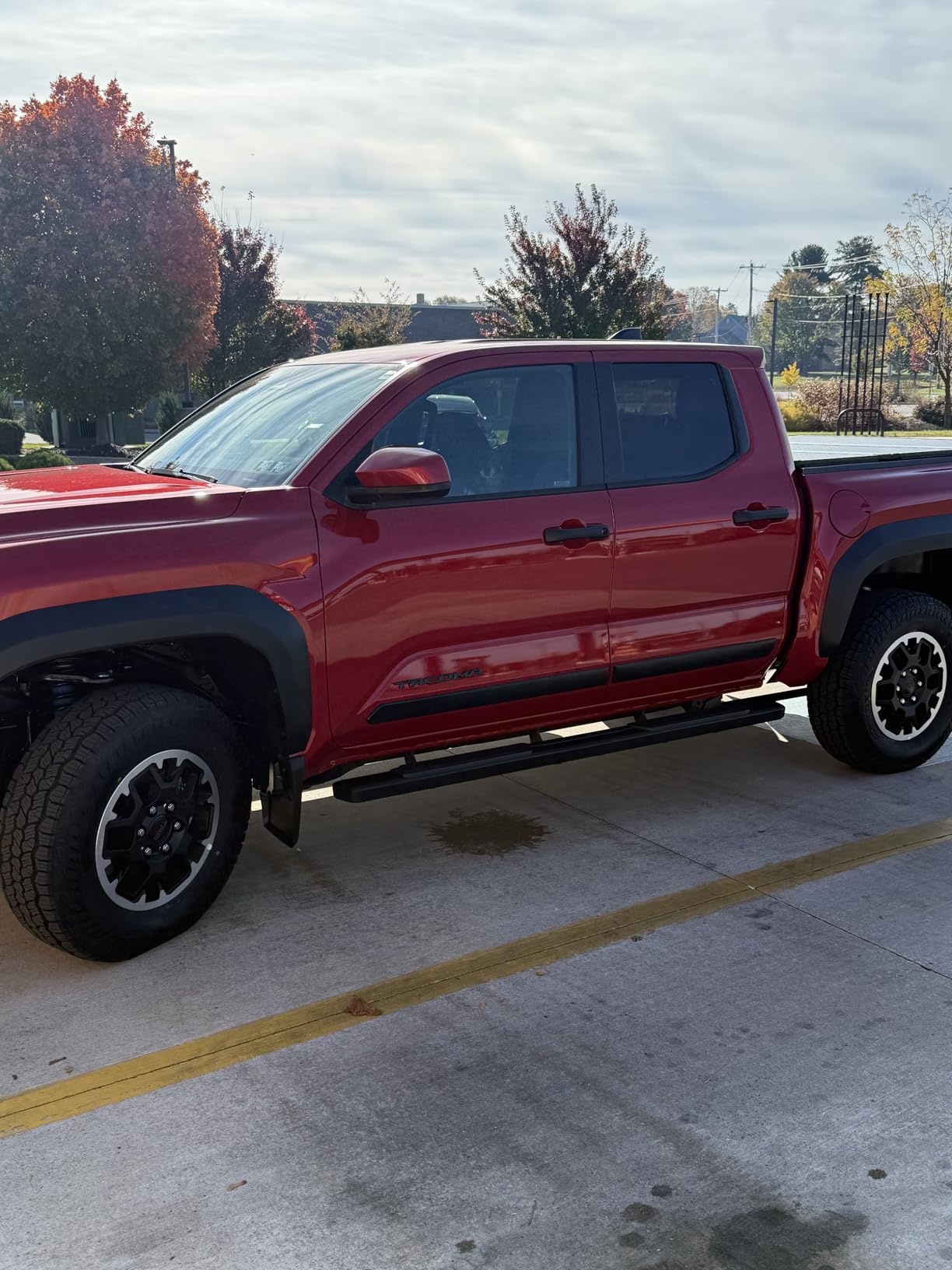
What the UV tracer actually proves
It proves coverage, not thickness or performance. Two coats and one coat look identical under UV light, so it is an excellent tool for finding a missed section and a poor tool for proving a claim about years of durability.
For black and dark paint, where uneven application is hardest to spot in daylight, we think this is the single most under-used feature in the entire category. It takes thirty seconds under a UV lamp and removes the guesswork.
Where the graphene claim holds and where it does not
It holds on gloss and slickness. Owners consistently describe a deeper, wetter look than a standard ceramic spray, and the finish stays slick through repeated washes.
It does not turn a sealant into a coating. Like the other sprays here, it sits in a durability tier well below a bonded liquid coating, and the 18-month claim should be read as a best case under ideal maintenance rather than a schedule.
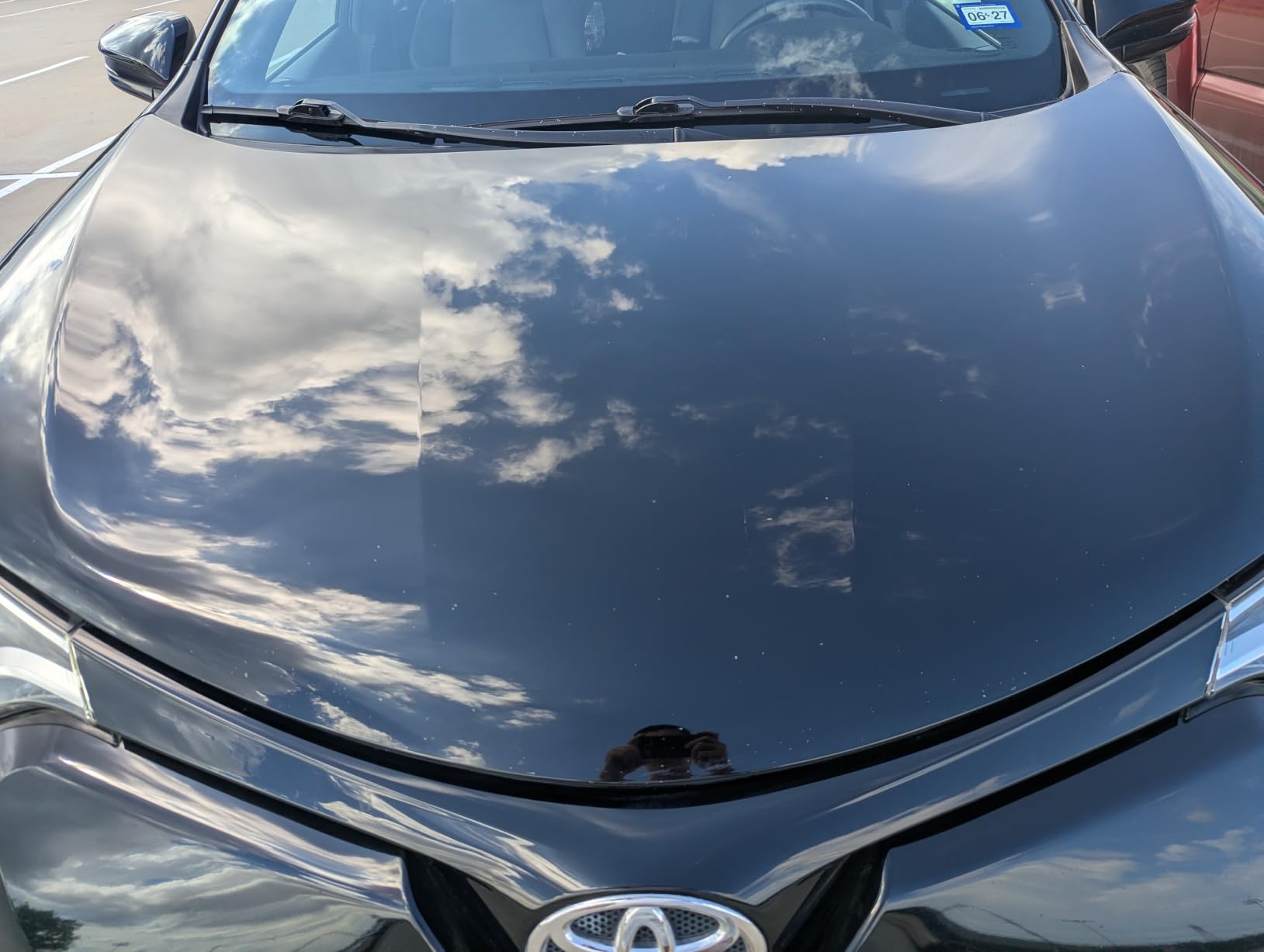
5. Ethos RESIST Graphene Spray – Best Ceramic Spray for Older Paint
Ethos RESIST Graphene Spray Coating for Cars – Graphene Ceramic Coating Spray, Extreme Hydrophobic Protection, Gloss Enhancement, Ceramic Coating for Cars (16oz)
Hybrid graphene and SiO2 spray wax
16 oz
2-in-1 top coat or stand-alone
Pros
- Very easy spray-and-wipe with no film on light or dark paint
- Noticeable gloss on both new and ten-year-old paint
- Water beads and sheets well making washes faster
- 16 oz bottle covers a whole vehicle
Cons
- Less effective on black plastic trim than some competing sprays
- Can streak or smudge if over-applied to warm paint
- Does not prevent water spotting and attracts dust and bugs
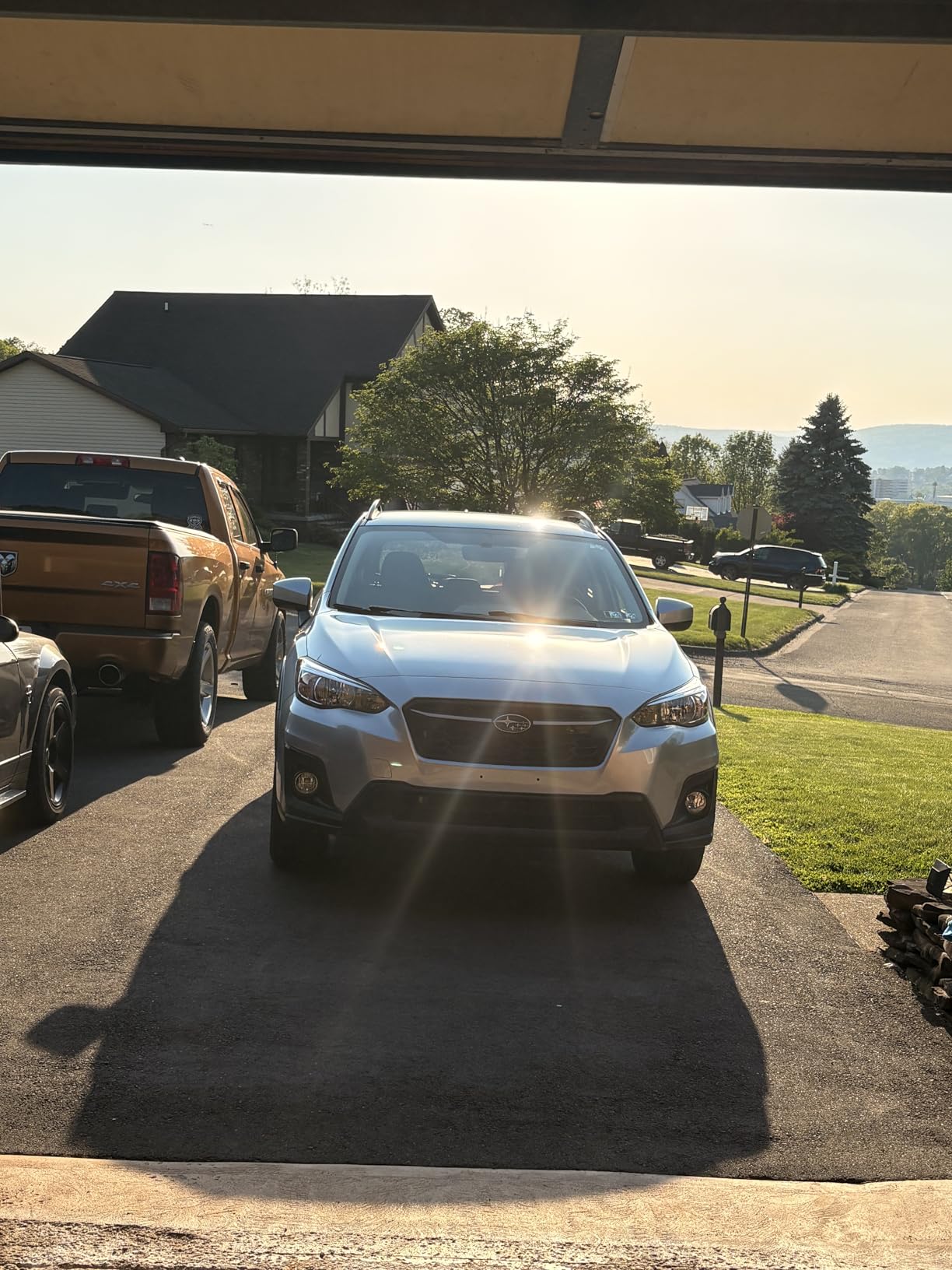
Ethos RESIST is the most useful entry point in this list for a car that has been outside for a decade. The reduced graphene oxide and SiO2 hybrid formula produces a gloss improvement on ten-year-old paint that owners consistently single out, because flat, oxidised clear coat is exactly the surface where a light hybrid wax does real cosmetic work.
It is a two-in-one product, working as a stand-alone sealant or as a top coat over an existing coating, which makes it a natural companion to any of the liquid coatings in this roundup. Application is spray and wipe with no buffing stage required, which is unusual for a product that adds this much gloss.
One practical note from the reviews: less product is more. Over-application on warm paint is the main streaking risk, and the fix is simply to work in smaller sections on a panel that has cooled.
It is also worth being straight about the limits. Like every coating here, it does not prevent water spotting, and owners note it can attract dust and bugs to the slightly tacky finish in some conditions. On black plastic trim, the improvement is noticeably weaker than on paint.
Why older paint responds so well
Oxidised clear coat is porous and microscopically uneven, which is exactly what light filler in a hybrid wax formula settles into. The visual result is a deeper, more saturated colour that lasts through several washes, and it is one of the few cheap steps that genuinely makes a ten-year-old car look better rather than just cleaner.
It is also the right product for a car that will never be corrected. If you are not going to run a clay bar and a polisher, a hybrid spray wax delivers a better outcome than a thin liquid coating that only magnifies defects.
What to watch for
Application temperature. Work on panels that have been in the shade long enough to be cool to the touch. Warm paint plus too much product is the combination behind nearly every streak report in the reviews.
Also note the dust attraction complaint. If your car sits outdoors year round, plan on a proper pH-neutral wash rather than relying on quick wipes, because the coating will hold grime faster than a bare or wax-only finish.
6. Nano Bond Ceramic Coating 9H PRO – Best High-Silica Ceramic Kit
Nano Bond Ceramic Coating for Cars – 9H PRO 80% SiO2 Formula – 30ML Kit
80% SiO2 formula
30 ml complete kit
9H hardness claim
Pros
- Deep mirror-like gloss with crisp reflections after prep
- Strong beading that makes washing far less effort
- Long-term users report it still looks excellent after a year
- Kit includes applicator suede cloth and gloves
Cons
- Heavy paint prep required since swirls get sealed in
- Small applicator is awkward and 30 ml runs out quickly
- Opaque bottle hides remaining product
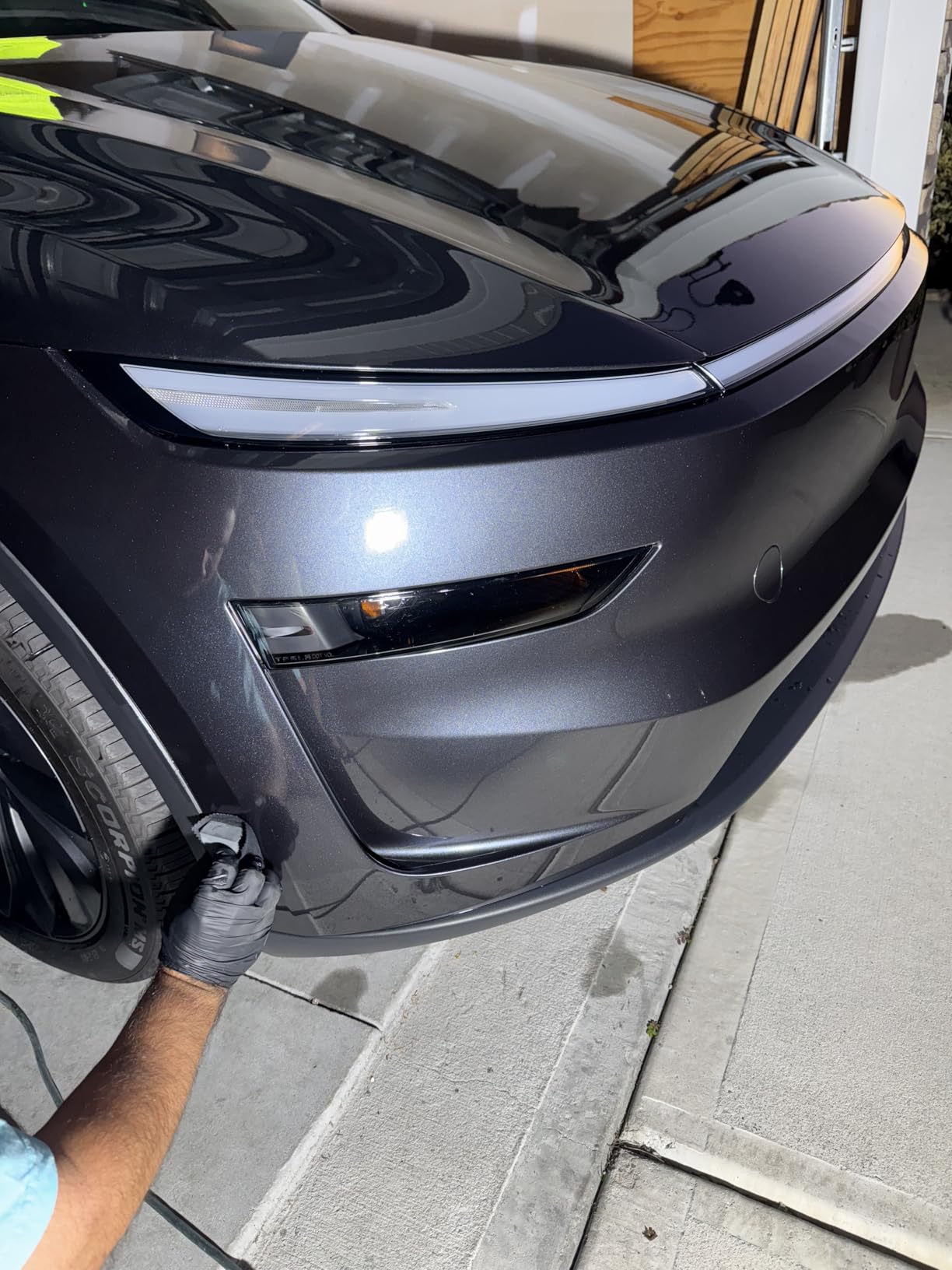
Nano Bond is the most aggressive silica formula in the list, stating 80% SiO2 and 9H Mohs hardness. The result on a properly prepared car is a genuinely deep, mirror-like gloss, and the reflections in the paint are noticeably crisper than what any of the spray products here produce.
The 9H claim deserves a reality check. Mohs hardness measures resistance to scratching by a harder substance, and a coating rated 9H is more resistant to a fine abrasive than a lower-rated film. It is not scratch-proof, and a harder film is generally a more rigid film, which is exactly why prep matters so much here.
That is the central warning in every long-term owner report. The coating is thick enough and glossy enough that any swirl marks, etching, or oxidation left in the clear coat become permanent, because you are sealing them in under a glassy layer. Clay bar, polish if needed, IPA wipe, then coat. Skip the polish and you have created a very expensive lesson.
The 30 ml bottle is genuinely small. The kit includes an applicator block, suede applicators, a microfiber cloth, and gloves, which is good, but the small applicator and opaque bottle are both repeatedly criticised, and you will likely need more than one kit on a large vehicle.
How much prep it really needs
More than any other product in this roundup. Enthusiasts applying it report that a thorough decontamination with a clay bar, a single-step polish to remove light swirls, and a panel wipe-down with isopropyl alcohol is the minimum that produces the mirror finish the reviews describe.
On an eight-year-old daily driver with bird droppings and automatic wash history, expect to spend a full weekend on prep before the coating goes on. That weekend is the real cost of this product, and it is worth it only if you are prepared to do it.
What the reviews consistently flag
The applicator. It is small, awkward, and the product is sticky enough to spread unevenly if you rush. Work in smaller sections than feels natural and level each one fully before moving on.
The bottle. At 30 ml it is easy to run out mid-hood on anything larger than a coupe, and because the container is opaque you cannot see how much is left. Buy what you need for the whole vehicle in one go.
7. Gtechniq Crystal Serum Light – Best Ceramic Coating for Maximum Gloss
Gtechniq Crystal Serum Light Ceramic Coating for Cars, 1.7 fl oz
Liquid crystal coating
1.7 fl oz
Claimed up to 5 years
Pros
- Crystal clear high-gloss finish with excellent depth
- Wipe on and buff for a hard swirl-resistant result
- Chemically bonds to paint rather than sitting on top
- Superb hydrophobic beading
Cons
- 1.7 fl oz is a small bottle for full-vehicle coverage
- Requires a corrected surface to show full clarity
- Cure time before the car meets the elements
Crystal Serum Light is the Gtechniq enthusiast product, and it is the closest thing in this list to a true professional coating. It is a liquid crystal coating that chemically bonds to the clear coat, which is a different mechanism from the wax-like sealants above it, and the difference is visible in how the finish handles contamination rather than just how it reflects light.
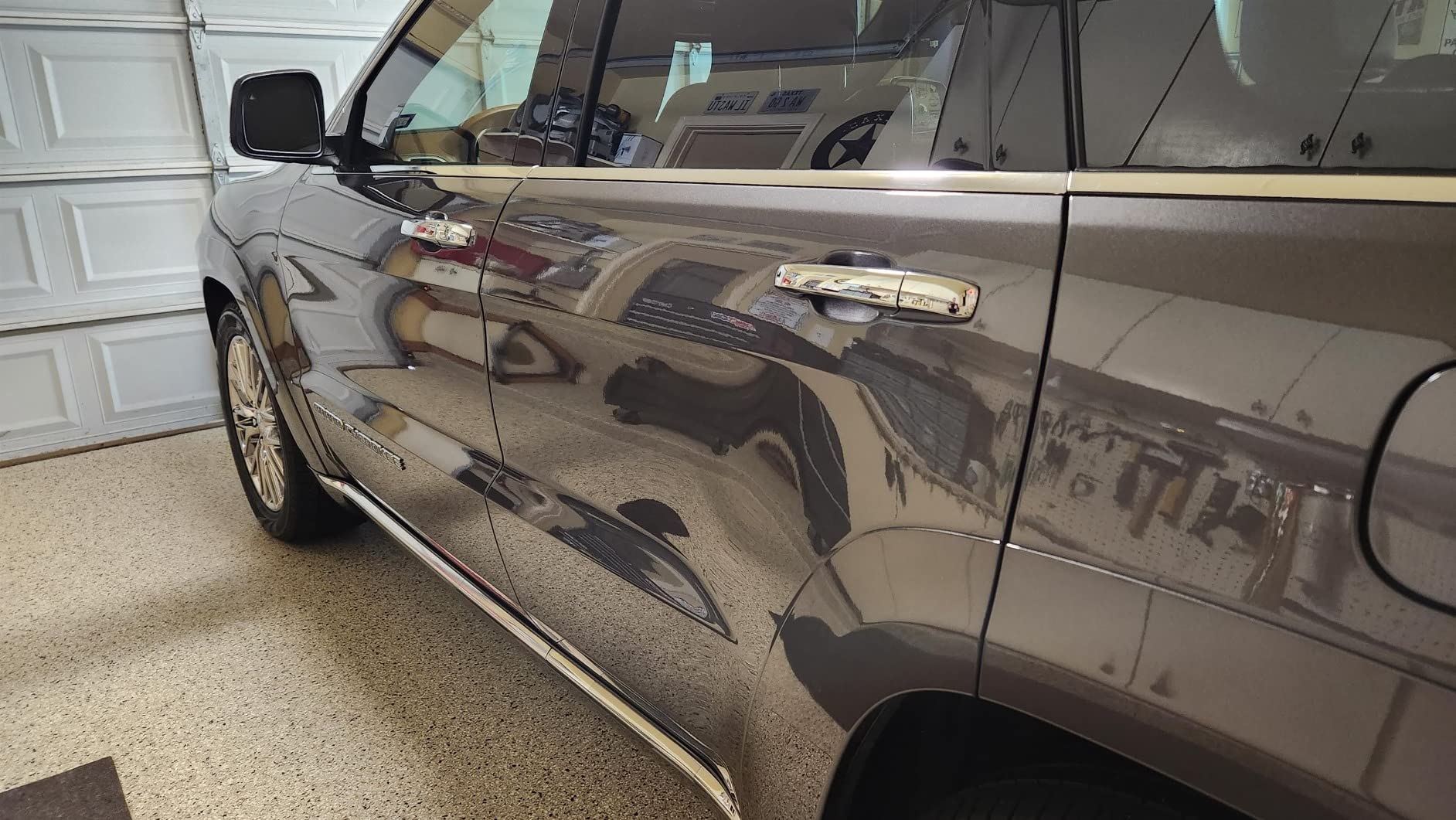
Owners describe a genuinely crystal-clear result with real depth, and the hydrophobic beading is the strongest in this roundup alongside the CarPro. The non-smearing wipe-on and buff formula is the main reason it is achievable at home, because smearing is what ruins most liquid coatings for first-time users.
The claim to interrogate is the up-to-5-years figure. That is a manufacturer claim measured under controlled conditions, and any coating that says five years is really saying five years of perfect maintenance, mild climate, and a single car that stays clean. We would plan on a much shorter real-world service life, and the reviews are more measured than the label.
One practical note: at 1.7 fl oz this is a small bottle. It is intended as a top-up and touch-up product alongside the C2 rather than a full-vehicle coat on its own.
What chemical bonding actually changes
A wax sits on top of the surface and can be stripped off by a strong shampoo or a hot wash. A chemically bonded coating forms a covalent link to the clear coat, which is why it resists chemical cleaners, road salt, and UV degradation far longer.
It is also why the prep requirement is non-negotiable. You are creating a permanent bond to whatever is on the panel, and if that is fine dust, wax residue, or polishing compound, you have now made it permanent too.
Where it is the wrong pick
If your car has never been polished, start with the C2 or a spray sealant. Crystal Serum Light will not hide oxidation or swirls; it will lock them under a clear layer where they are more obvious than before.
It is also not a glass or wheel product in the way the sprays are. Use it on paint, where the bonding chemistry is designed to work.
8. CARPRO CQUARTZ UK 3.0 – Best Ceramic Coating for Enthusiasts
CARPRO CQUARTZ UK 3.0 – Ceramic Coating for Cars – (50ml Kit)
70% SiO2 at 99.9% purity
50 ml complete kit
24 hour dry time
Pros
- Highest average rating in this roundup
- Creates a hard glassy layer with excellent depth and gloss
- Resists chemicals salt UV and chipping
- Kit includes applicator block suede pads and leveling towel
Cons
- Requires proper paint correction to look its best
- High spots if the flash time is missed
- 50 ml needs careful coverage planning on larger cars
CarPro CQUARTZ UK 3.0 is the highest rated product we tested, at 4.7 stars from just over a thousand reviews, and the r/AutoDetailing consensus treats it as the most forgiving and reliable traditional coating for home application. That combination of rating and community agreement is why it sits near the top of our list even though the Gtechniq C2 takes the editor’s spot for a different set of reasons.
The chemistry is the highest silica content of any product here at 70% SiO2 at 99.9% purity. High silica is what produces a hard, glassy, genuinely bonded layer, and the finish owners describe has real depth rather than the flat look of an over-ceramic wax.
The practical specs are unusually well specified: a 24 hour dry time and a 40F to 100F application range. That range is wider than most competitors state, and it means you have flexibility on season. Coverage is about 15 ml per coat for an average size car, so the 50 ml kit is comfortable for a sedan and adequate for an SUV if you are disciplined.
The hard part is not the chemistry, it is the flash time. Owners who rush it get high spots, those small hazy patches where the coating has begun setting before you level it. Work one section, spread thin, and level fully before moving on.
How to apply it without high spots
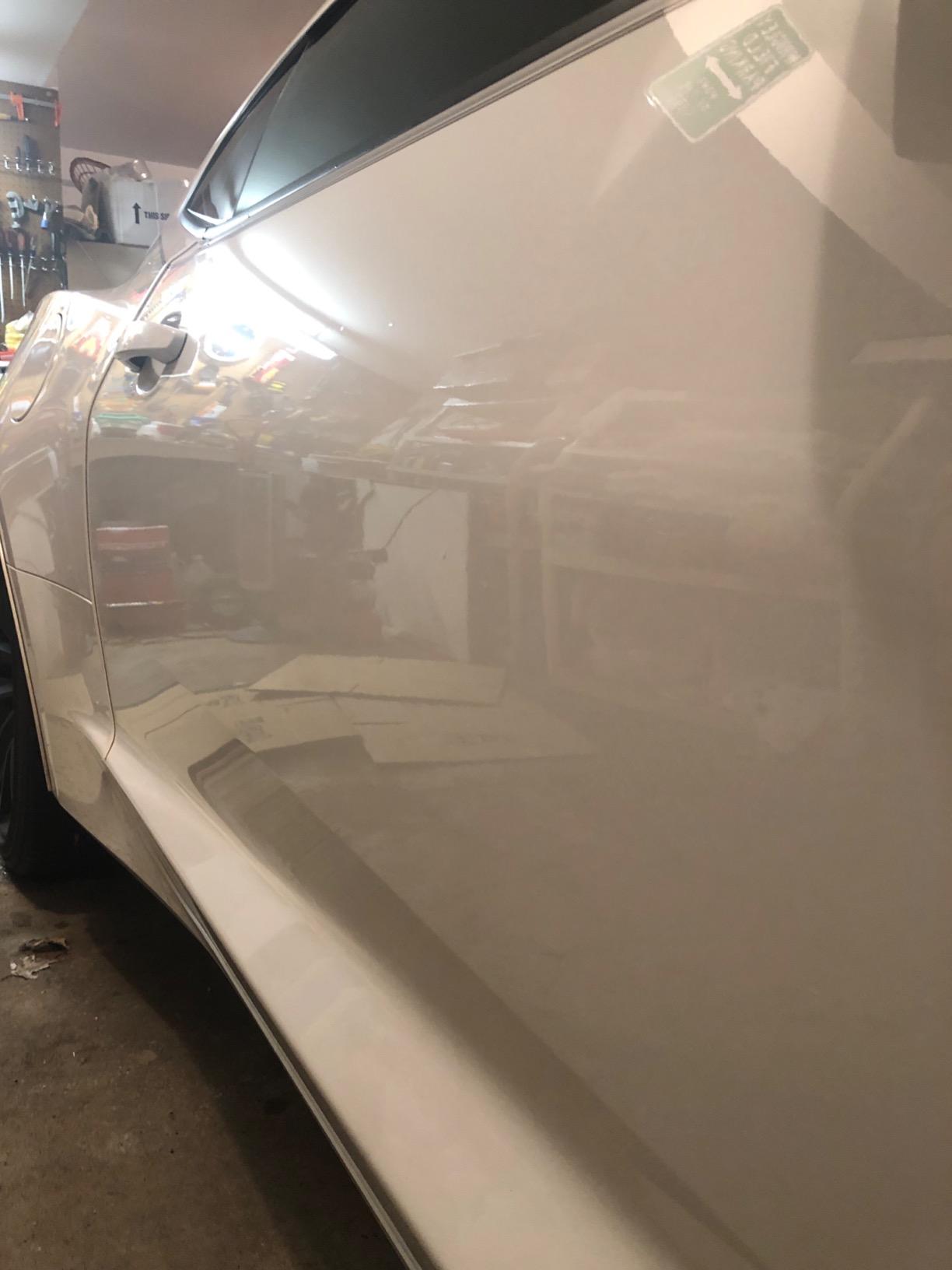
High spots happen when a section sits longer than the working time allows. Treat the flash as a hard limit rather than a suggestion: spread, level, and move to the next section. If the product has already started to haze into a rainbow sheen, stop and let that panel be reworked rather than trying to buff it out.
Keep the car indoors, dust-free, and reasonably warm. The stated range goes down to 40F, but performance and leveling both improve nearer the middle of that window.
What it will not do for you
It will not remove scratches. Ceramic coatings are resistant to swirl marks from washing, not immune to them, and a key or a shopping cart will still leave a mark in the clear coat that the coating does nothing to prevent.
It will not stop water spotting, particularly in hard-water areas. That is a mineral problem in the water sitting on the surface, and it is the number one complaint we hear from owners in those regions regardless of brand.
9. Meguiar’s Ultimate Ceramic Coating Kit – Best for First-Timers
Meguiar’s Ultimate Ceramic Coating Kit
Professional-derived liquid coating
8 fl oz kit
Two microfiber towels included
Pros
- Extremely easy three-step application needing no professional process
- Exceptionional beading and slickness that eases drying
- Conceals minor paint defects while boosting gloss
- Complete kit with two microfiber towels included
Cons
- Coverage on a larger vehicle may need a second kit
- Less long-term durability than bonded SiO2 coatings
- Still benefits from a decontaminated surface
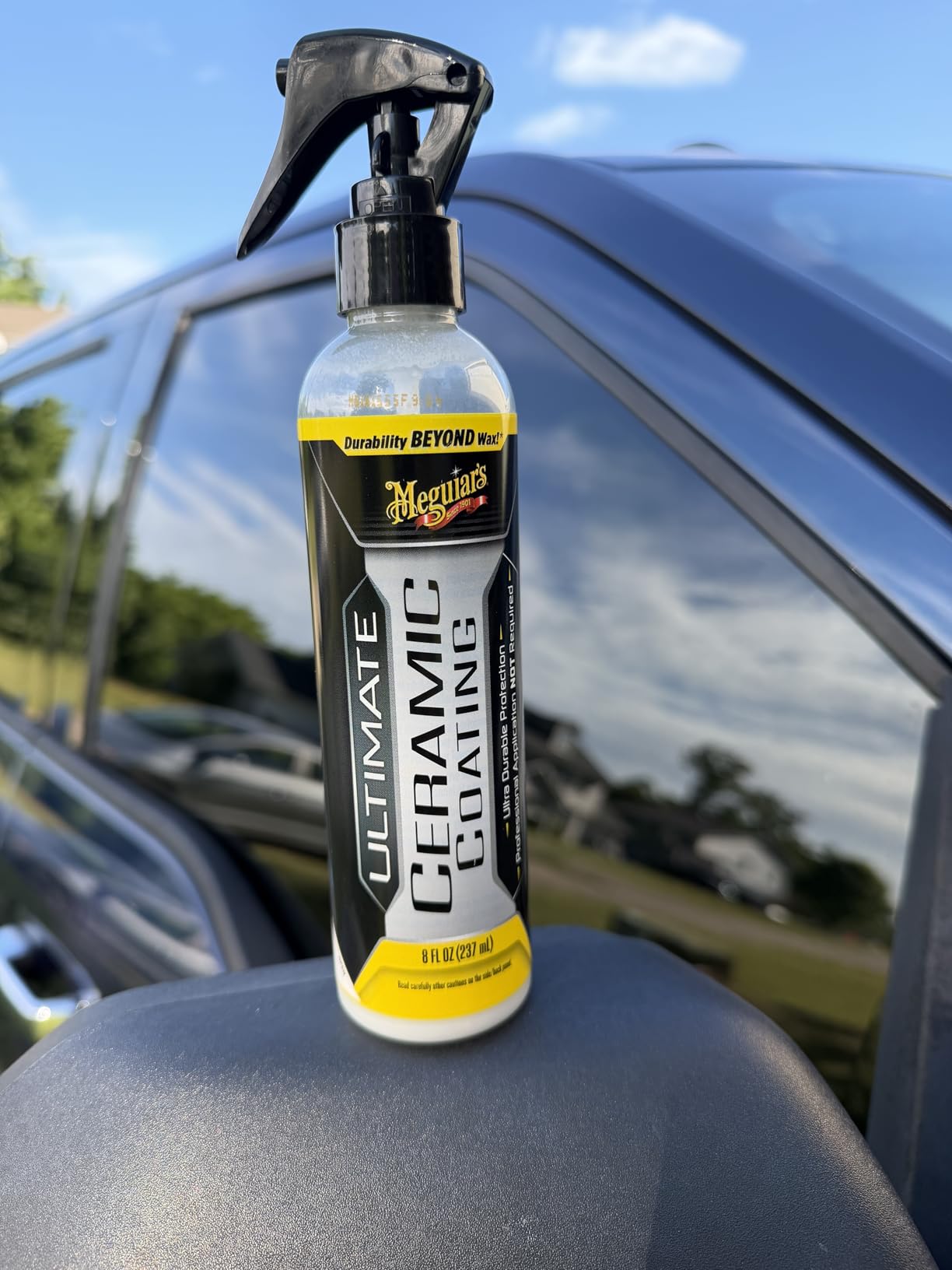
If you have never coated a car, start here. The Meguiar’s kit is built around three steps: spray, spread with the included premium microfiber, and wipe off with a second one. There is no separate flash stage to misjudge and no polisher required, which removes the single biggest source of first-time anxiety.
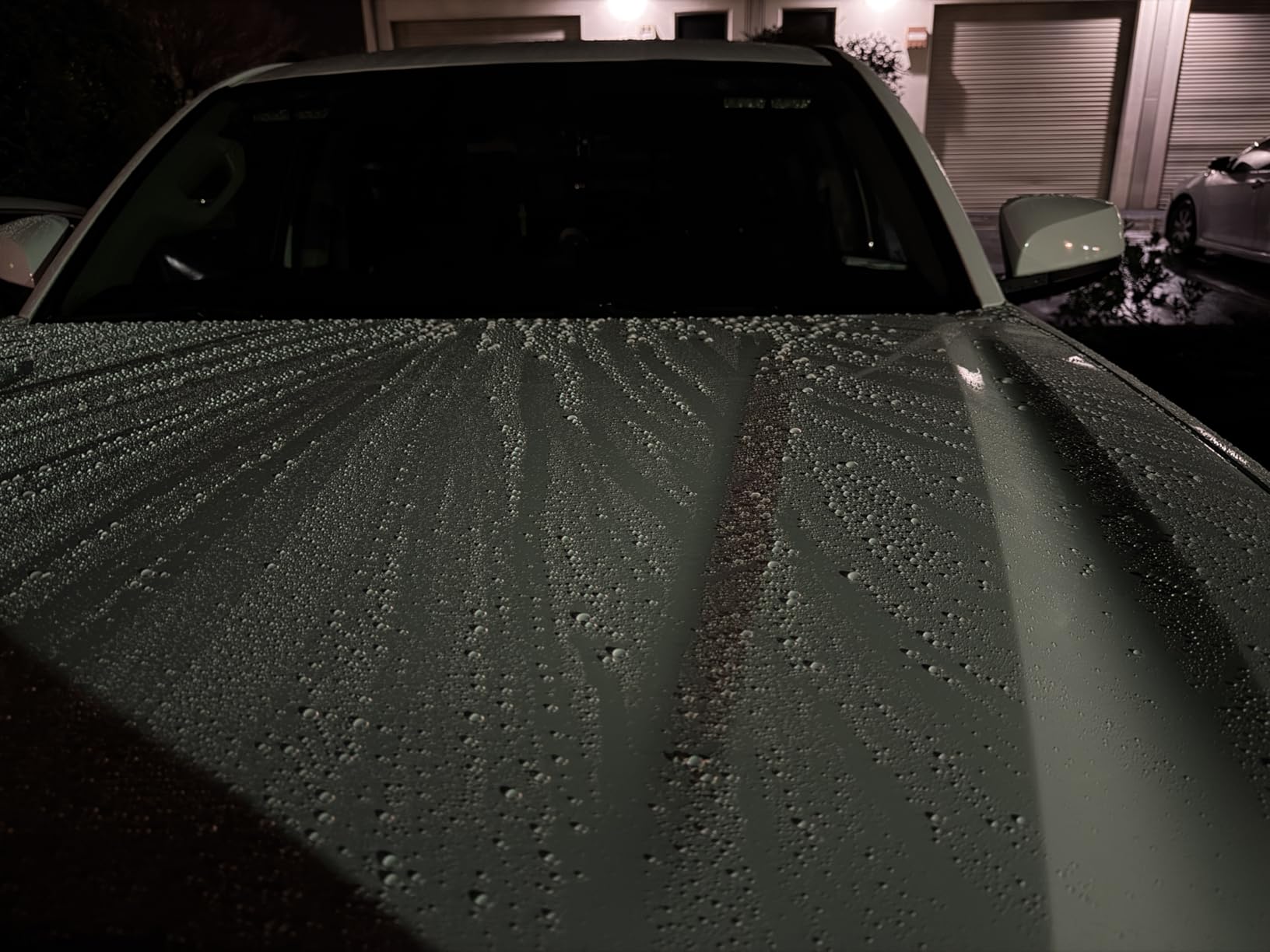
It is a professional-derived liquid formula, not a wax, and the result is real: exceptional water beading, a noticeably slicker surface, and a finish that makes towel drying much faster. The kit ships with two microfiber towels, so you are not left hunting for clean cloths mid-application.
There is another underappreciated benefit. Owners note that it does a reasonable job of concealing minor paint defects while boosting gloss, which makes it the safest choice on a used car with light swirls that you are not prepared to polish out.
Surface compatibility is broad for a coating: exterior plastic trim, decals, PPF, and wheels are all listed as safe, which makes it useful if you want to coat a new car that already has film on the bumper.
The honest limit is longevity. This is a maintenance-tier product rather than a multi-year bonded coating, and the reviews are consistent that it needs periodic refreshing on a daily-driven car.
Why we think it is the right first product
First-timers overwhelmingly lose to process, not chemistry. The most common failure is a section left too long before leveling, and this kit’s flow-and-wipe format makes that failure very hard to commit.
It also gives you a realistic introduction to the routine. A proper wash method and a maintenance top-up are the actual long-term habit that keeps a coating alive, and learning those on a forgiving product is better than learning them on a hard one.
When to step up instead
If you have a car with genuine oxidation or heavy swirl history and you are prepared to do a correction, the higher silica products in this list will reward the work with a noticeably harder and deeper finish.
Also check coverage on larger vehicles. At 8 fl oz, plan on a second kit for an SUV or a full exterior including wheels and trim.
10. CERAKOTE Professional 60 ml Kit – Best for the 500-Wash Guarantee
CERAKOTE® Ceramic Coating for Cars, Professional 60 Ml Kit
Two 30 ml bottles
9.1 x 6.4 x 2.2 inches
5 to 7 day full cure
Pros
- Beginner friendly with a visible beads-of-sweat wipe-off cue
- Excellent beading that sheds water grime and salt immediately
- Deep gloss and mirror-like shine
- Two 30 ml bottles are sufficient for a small car or SUV
Cons
- Streaks if the product is allowed to dry fully on the panel
- Applicator pad absorbs a significant amount of product
- Not suitable for glass surfaces
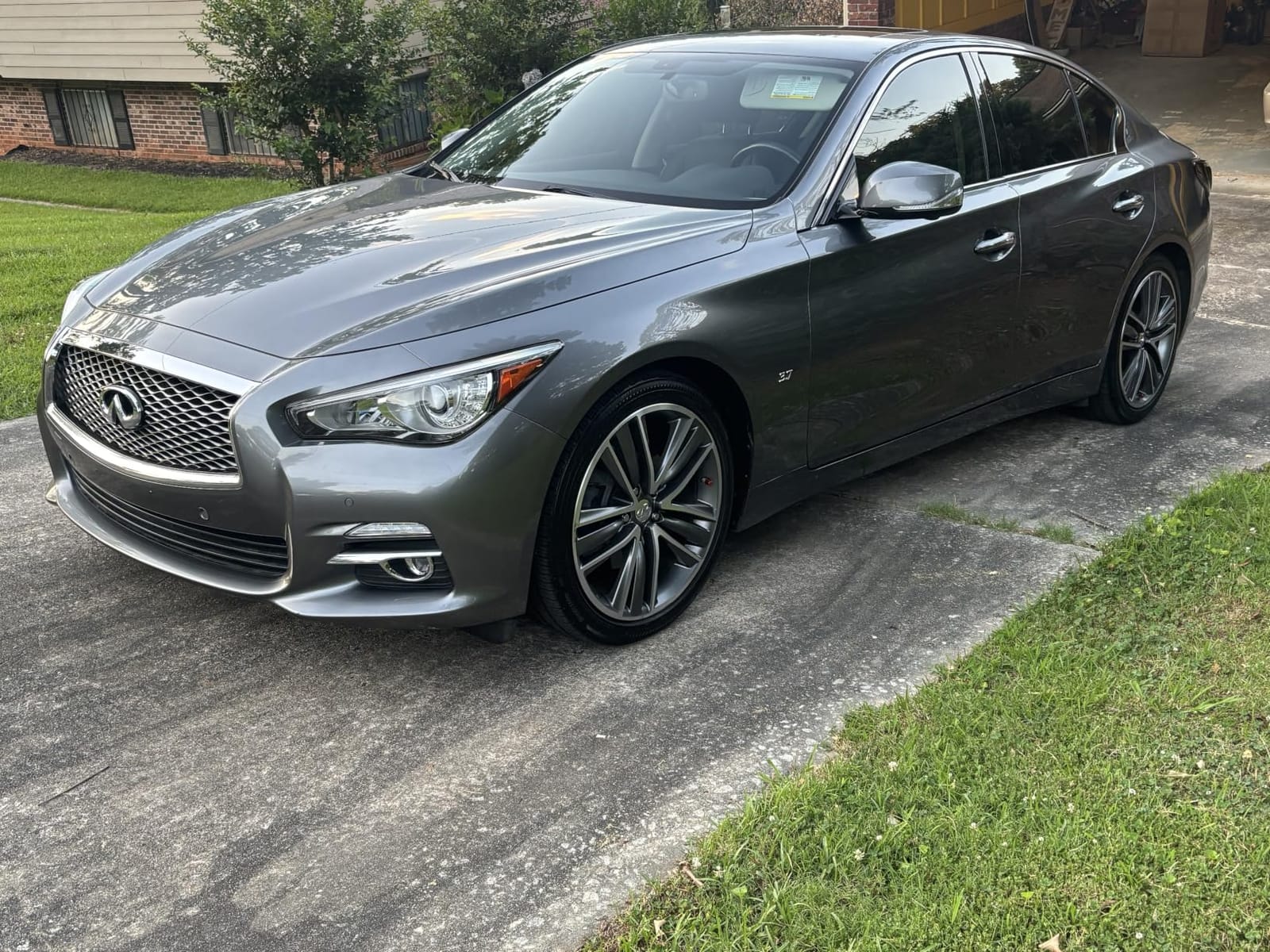
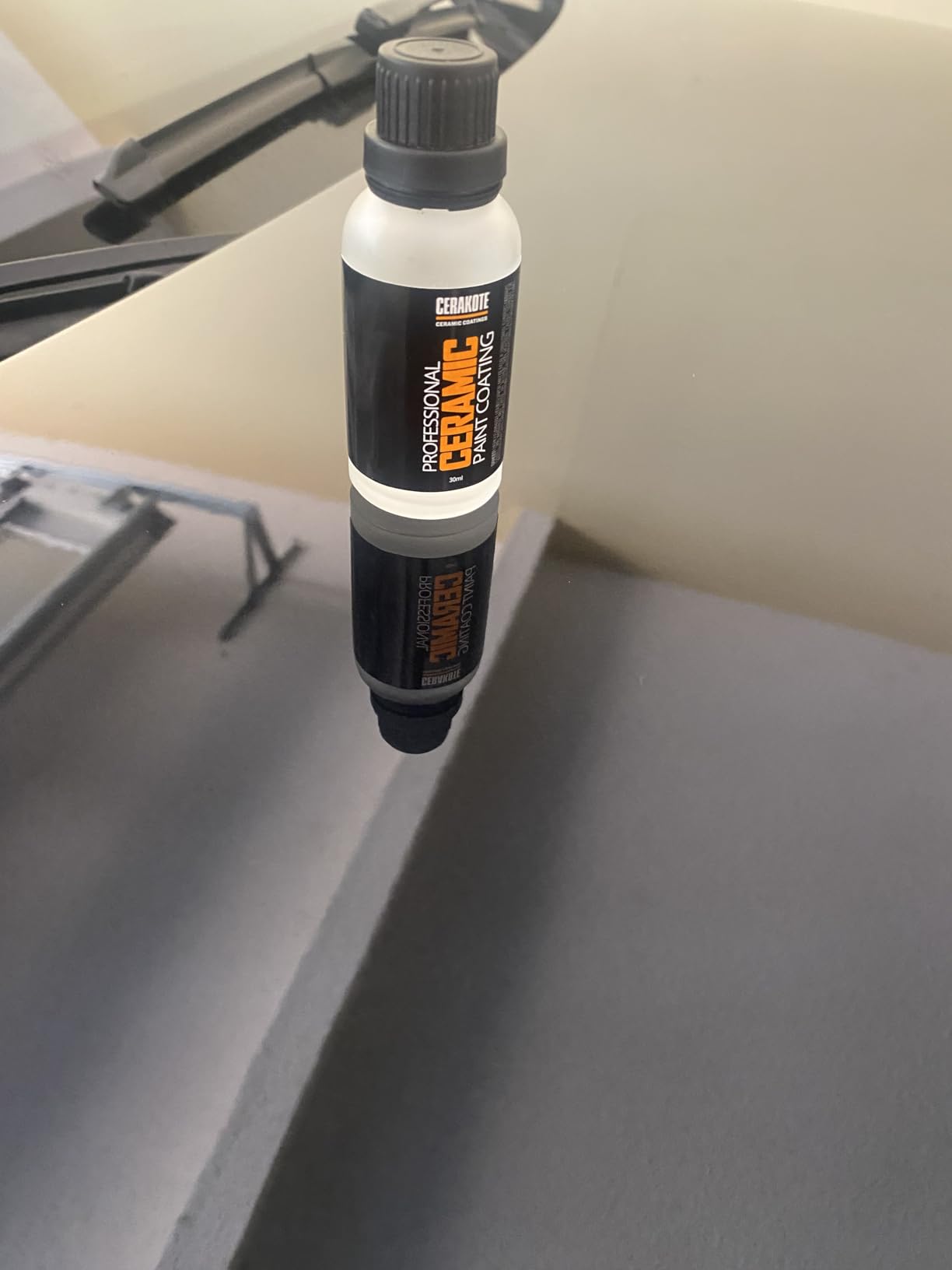
Cerakote is the only product here with a wash-count guarantee attached: 500+ real-world washes, and a 500 wash guarantee behind it. That is a meaningfully different kind of promise from a “claimed” number in years, because it is tied to something you can count.
The application design is unusually thoughtful. The product develops a visible beading on the panel, which the brand describes as beads of sweat, telling you exactly when to wipe. For a first-time coater with no infrared timer and no booth, that cue removes most of the guesswork that causes streaking.
The working window is generous at three to five minutes before wipe-off, which is more forgiving than most bonded coatings. Owners report deep gloss, mirror-like shine, and hydrophobic beading that sheds road grime and salt immediately.
Coverage is good: two 30 ml bottles handle a small car or SUV. The kit also includes an applicator pad and an instruction guide, and the brand states no polisher, heat lamp, or detailing experience is required.
The catch is the cure. A 5 to 7 day window before the coating reaches maximum hardness means the car needs to stay dry and indoors through weather you cannot control, and that window is where most DIY failures happen.
What a wash-count guarantee is worth
A year count is vague because it depends on how often you wash, how dirty the car is, and what you wash it with. A wash count maps directly onto your actual behaviour, which is why we find the 500 wash figure more useful than a headline of five years.
It also implicitly tells you the expected lifespan. If you wash weekly, 500 washes is roughly ten years of maintenance, which is generous. If you wash weekly but use a brush automatic car wash, your protection will not get close.
Where the application goes wrong
Streaking. The product must not be allowed to dry completely on the surface. Use the beading cue as a firm limit rather than waiting to see if it wipes more easily later.
Applicator waste. The pad absorbs a noticeable amount of product, so budget for it. This is also why you must not let the pad sit loaded on the hood while you work on another panel.
11. SONAX Ceramic Spray Coating – Best for Large Vehicles and Fleets
SONAX Ceramic Spray Coating for Cars, Hydrophobic Protection, 750ml
Si-carbon ceramic technology
750 ml bottle
Up to 6 months protection
Pros
- Easy spray-on wipe-off application
- Good hydrophobic beading
- Multi-surface across paint plastics chrome moldings and wheels
- Works as a topper for existing ceramic coatings
- Large 750 ml bottle gives many applications
Cons
- Durability of up to 6 months is below true ceramic coatings
- Less scratch resistance than professional coatings
- May need multiple coats for best results
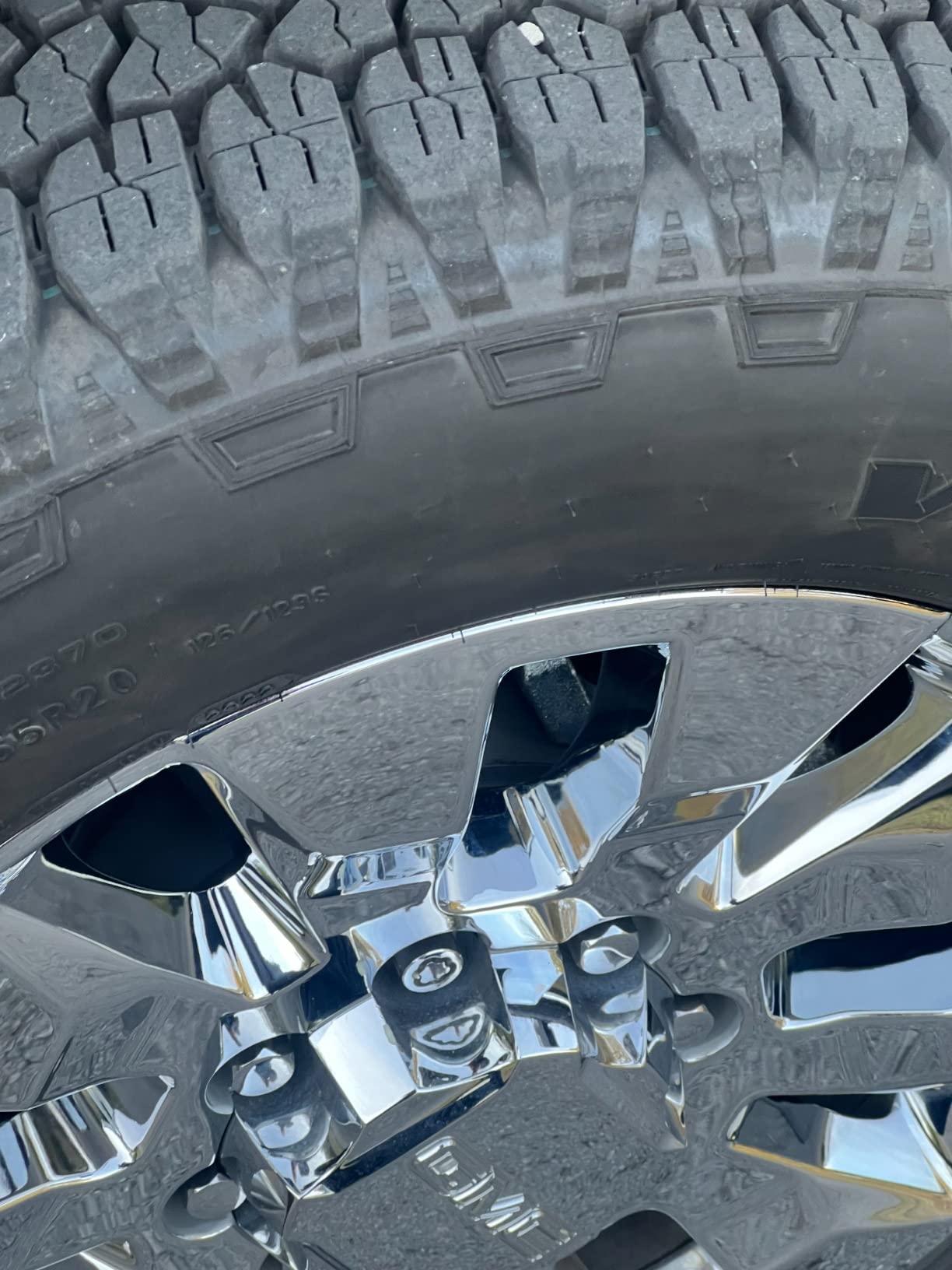
The SONAX is a 750 ml bottle, which is roughly four times the volume of most products in this list, and that is the entire reason it is here. If you are coating a full-size SUV, a pickup, an RV, or more than one vehicle, this is the product that gets you through the job in one session.
The chemistry is Si-carbon based, forming a durable carbon layer that bonds to the surface with a thin silicone layer over it. Application is spray on, wipe off, and the finish is described as mirror-like with a just-waxed slickness.
It is genuinely multi-surface: paint, plastics, chrome, moldings, and wheels all in the same product. That matters for large vehicles, where the plastic and trim area is proportionally bigger and a separate trim product would be a second purchase and a second process.
It also works as a refresher for existing compatible ceramic products, sealants, or coatings, which makes it a useful maintenance partner to any of the bonded coatings in this list.
Be clear on the tier. The brand states up to 6 months of protection from dirt, bugs, road grime, salt, and UV, which places it firmly in the spray sealant category. It does not have the scratch resistance of a professional coating, and some owners find they need two coats for the effect they want.
Why volume matters more than people expect
Running out of product partway through a vehicle is one of the most common application mistakes, and it is also the most annoying. A 750 ml bottle means you can coat a full-size truck, its wheels, and its trim in a single session without the anxiety of watching the level drop.
It is also the practical choice for households with more than one car, or for anyone who wants to reapply every six months without ordering twice.
Where it sits in the protection hierarchy
SONAX itself describes it as a ceramic spray, not a true coating, and the reviews agree. It gives the water-repellency and gloss benefits of the ceramic family with a much shorter service life and none of the bonded hardness.
Think of it as the tier above a wax and well below CQUARTZ, and the six-month figure makes sense in that context.
12. Nasiol ZR53 Nano Ceramic Coating – Best for Rims and Lights
Nasiol ZR53 Nano Ceramic Coating for Cars – Complete Kit for Professional Paint Protection with Expert Guide
10H hardness hybrid coating
53 g
Up to 3 years single layer
Pros
- 10H hardness provides strong scratch resistance
- Up to 3 years claimed durability in a single layer
- High hydrophobicity with intense water beading
- Works on paint plastic rims headlights and taillights
Cons
- 53 g bottle may not cover larger vehicles in one layer
- Single layer application requires precision
- Careful surface preparation and cure time are mandatory
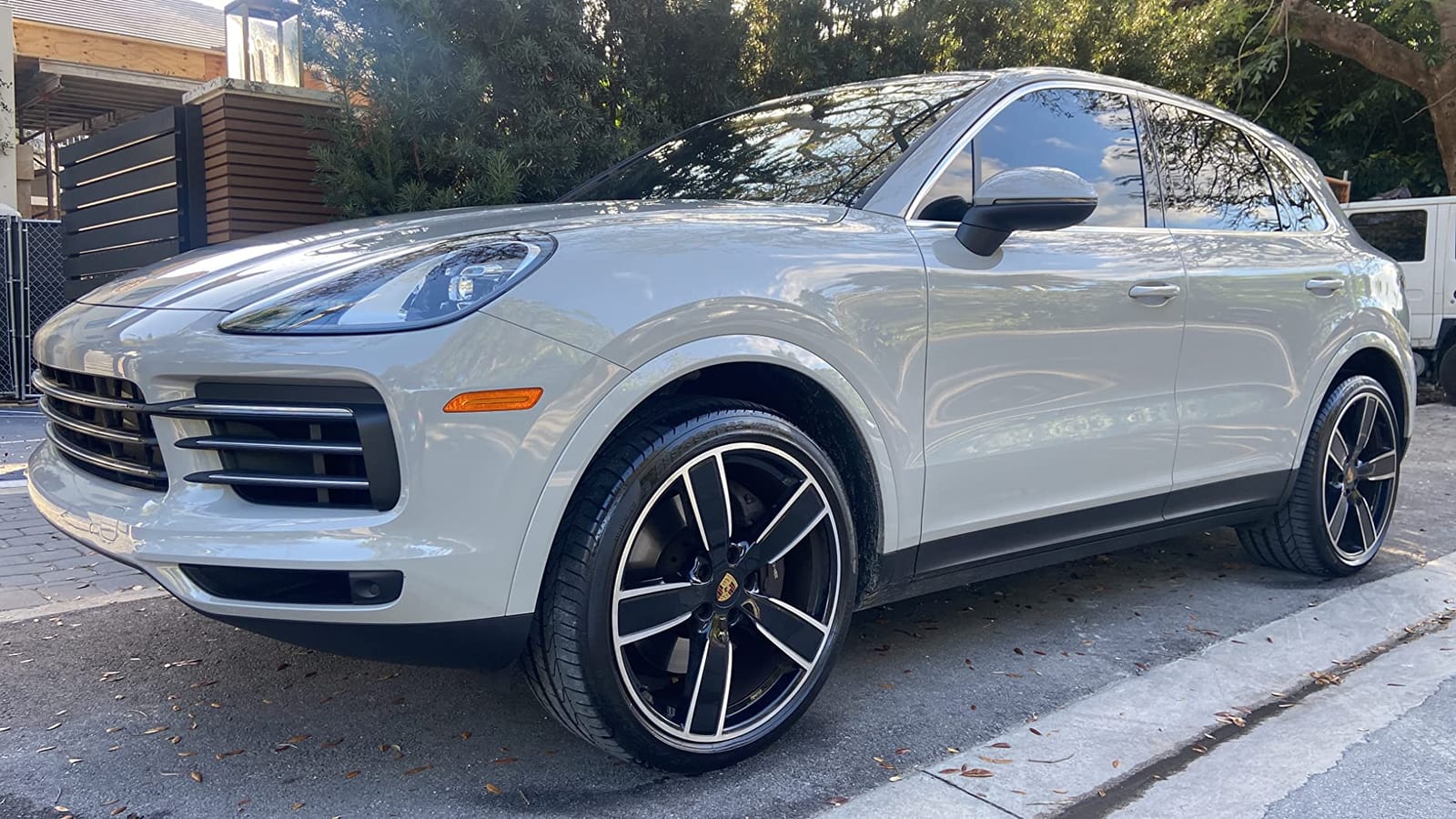
Nasiol ZR53 is the pick for the parts of a car that most coatings ignore. The listed surfaces include paintwork, exterior plastics, rims, headlights, and taillights, and that breadth is the point. Brake dust on a wheel face and UV yellowing on headlights are the two failure modes most owners complain about, and this is one of the few products here that is designed for all of them in a single pass.
The claim is 10H Mohs hardness with up to 3 years of durability in a single layer. A single-layer system is genuinely convenient: no second coat to flash, level, and cure, which removes half the work and half the risk of the multi-layer approach.
Owners report high hydrophobicity with intense beading, a high-gloss finish with a slick, soft-touch feel, and good scratch resistance relative to a sealant. The manufacturer is Turkish with nearly 20 years in car care, and the kit ships with an expert guide.
Precision is the requirement. Because it is a single layer, there is no second pass to correct a thin spot, and the reviews are clear that careful preparation and a clean application room make the difference between an excellent result and a patchy one.
Rims, headlights and why they need their own pass
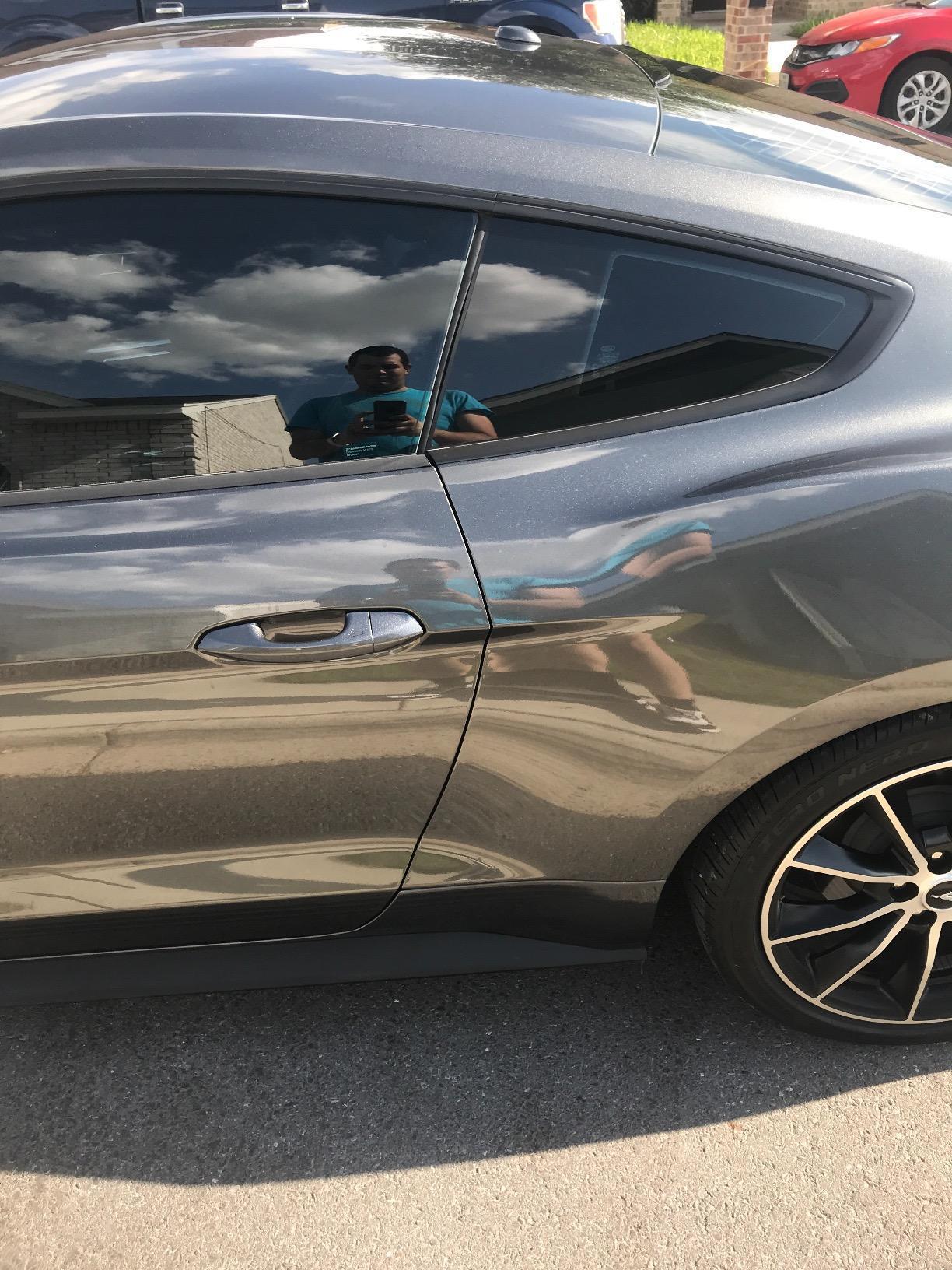
Wheel faces collect brake dust at temperatures far higher than paint ever sees, and the dust becomes abrasive the next time something touches the wheel. A coating rated for scratch resistance adds a sacrificial layer that keeps the dust from bonding directly to the finish, which is why wheel faces stay clean noticeably longer.
Headlights and taillights are a different problem: UV degradation yellows polycarbonate, and a hydrophobic coating slows the rate at which water sits on the surface long enough to accelerate that. Coated lights also shed road grime, which is why the difference is so visible at night.
Plan the quantity before you start
At 53 g, this is a small bottle. Owners on larger vehicles note that a single kit may not cover the whole car in one layer, and buying the quantity up front avoids a mid-hood shortfall that no amount of care can fix.
The cure time before the car meets the elements is not optional. Plan the application around a stretch of dry weather.
What Actually Destroys a Ceramic Coating?
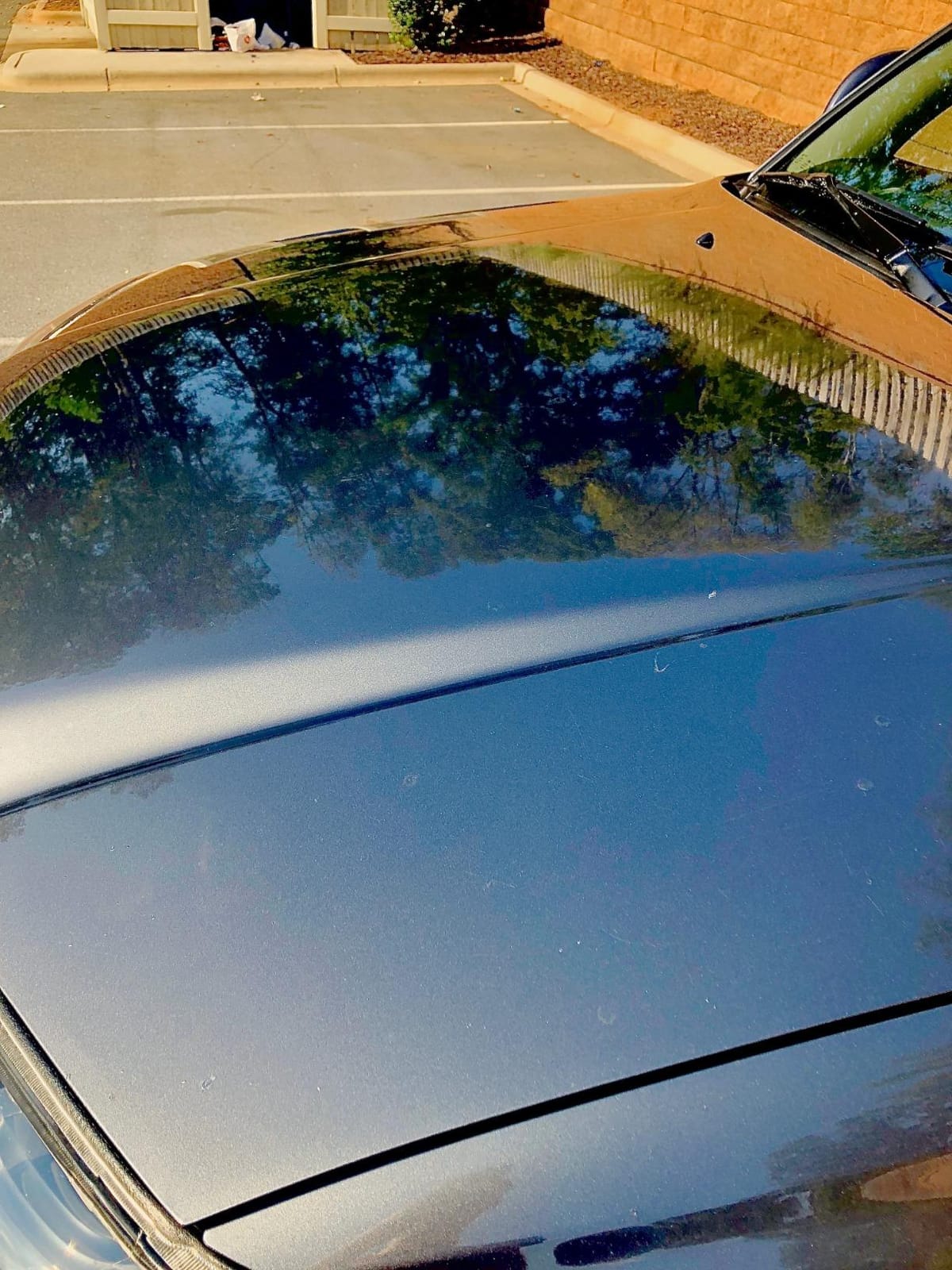
No product in this list is fragile. Every one of them will outlast a badly maintained wax or sealant by a wide margin, and all of them have specific, avoidable enemies.
Brush automatic car washes are the first and worst. The brushes strip the coating, and the dirt and grit they collect from previous cars get dragged across your paint in the same pass. Detailing communities call this out with almost no disagreement, and it is the reason owners in those regions replace coatings far earlier than the label suggests.
Water during the cure window. In the first 24 hours, and through to full hardness at 7 to 14 days, the film is vulnerable. Rain, dew, and morning humidity in that period are the most common reason a good application still disappoints.
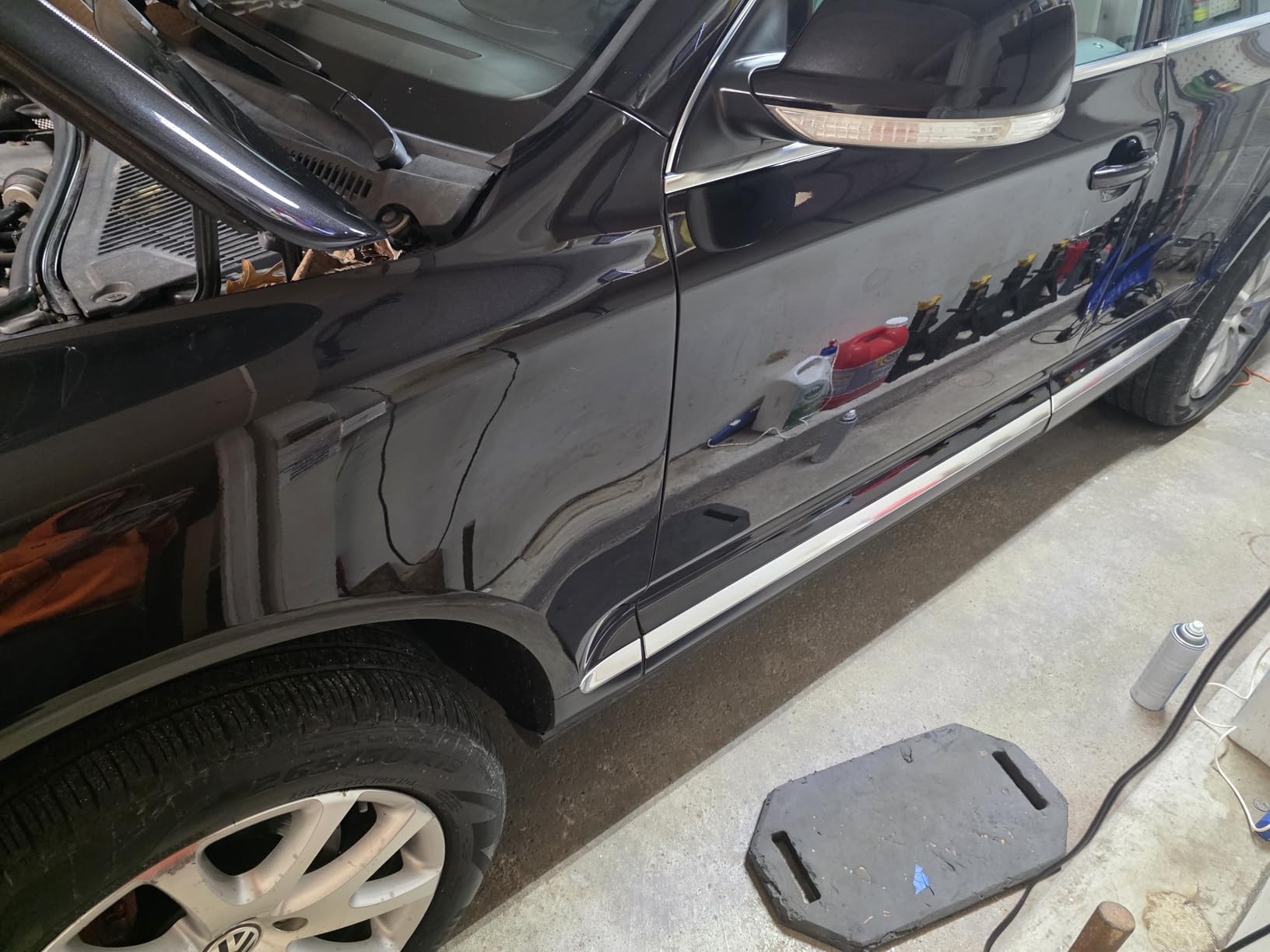
Bird droppings and tree sap that sit too long. A coating resists these chemically, but resistance is not immunity, and an acidic dropping that bakes for a week in summer can etch the clear coat underneath no matter what is on top.
The wrong shampoo. Strong alkaline detergents strip the surfactant layer that carries water off the surface, which is why pH-neutral shampoo is not a marketing nicety. High-foam car washes and household dish soap are the usual culprits.
Applying in direct sun. Hot panels flash faster than you expect, and a coating that sets before you level it leaves high spots that take a polish to remove.
Skipping maintenance entirely. A coating with no top-up eventually reaches the point where it is chemically intact but behaviourally dead, and owners replace the whole car of product when what they actually needed was a maintenance spray every few months.
How to Prepare and Apply a Ceramic Coating the Right Way
Surface preparation accounts for most of the result. A coating cannot correct defects, and on a glossy thin product it will amplify whatever it finds, so the work happens before the bottle is opened.
Wash with a pH-neutral shampoo and dry completely. Decontaminate with a clay bar, because bonded iron and industrial fallout sit on the clear coat and become permanent under a bonded coating. Inspect under a bright light and polish if the swirls bother you, which on a dark car they usually do.
Wipe each panel down with isopropyl alcohol and a clean microfiber cloth to remove wax, sealant, and polishing residue. Any film left here will show through the coating permanently.
Now apply. Work in sections roughly 2×2 feet, no larger. Spread the product thin with the applicator, allow it to flash according to its stated working time, then level with a clean, dry microfiber towel in straight lines until no smudge remains.
Move on before the previous section sets. High spots come from one place only: a section that was left too long. Keep the car indoors, dust-free, and within the product’s stated temperature window.
Finally, respect the cure. The first 24 hours is a vulnerable window with no water at all. Initial cure runs 24 to 48 hours, and full hardness takes 7 to 14 days. Plan the application around a dry forecast and avoid the car entirely during that period, which is the instruction every owner on the forums says they should have followed from the start.
How to Maintain a Ceramic Coating and Make It Last
The coating is applied in an afternoon and maintained for years. Wash method does more for longevity than the brand you chose.
Use the two-bucket method: one bucket of pH-neutral shampoo with a grit guard, one bucket of clean rinse water with its own grit guard, and a dedicated wash mitt that you never return to the wash bucket after touching the car. This alone prevents most of the scratching people blame on the coating.
Never use a brush automatic wash, and avoid snow foams and high-foam car washes that strip surfactants. If a self-service bay is your only option, bring your own bucket, mitt, and drying towels.
Dry with large, clean microfiber towels or a blower before you touch the paint with a towel. Drying is where most swirl marks are created, and water beading from a coating means the car dries faster than you are used to, which is where the practical payoff shows up.
Top up every few months with a ceramic boost spray or a sealant. Several products in this list, the Gtechniq C2, the Ethos RESIST, and the SONAX spray, are designed specifically for this role, and using one keeps the hydrophobic behaviour alive far longer than leaving the coating alone.
In hard-water areas, the top complaint is water spotting. Coatings make the water bead so tightly that the mineral content concentrates as it evaporates, so the fix is to dry the car after rain rather than letting it air dry, and to keep it indoors when you can. This is chemistry, not a product defect, and it affects every coating on the market equally.
Ceramic Coating vs PPF vs Wax vs Sealant
Is there anything better than a ceramic coating? It depends entirely on what you are trying to protect against, and the honest answer is that each option fails in a different way.
A wax is the cheapest and easiest. It applies in minutes, gives a warm gloss, and lasts weeks to a few months. Nothing beats it for a quick pre-sale refresh, and nothing loses to it on effort.
A spray sealant sits one step up. Products like the SHINE ARMOR Fortify Quick Coat and the Nexgen Ceramic Spray last months rather than weeks, work on glass and trim, and require no correction. For most daily drivers, this is the correct choice.
A true ceramic coating is the longest-lived of the three and the most demanding to apply. It requires correction, a controlled environment, and cure discipline, and in exchange it gives the strongest chemical and UV resistance here.
Paint protection film is the only option that stops stone chips and road debris, because it is a physical barrier hundreds of microns thick. It does not improve gloss the way a coating does, it is far more expensive, and it can yellow over time. Many owners run both, with film on high-impact areas and coating on the rest of the car, and for a daily-driven car on motorway roads that combination is the most complete answer available.
How to Choose a Ceramic Coating: Buying Guide
Start by matching the product tier to your surface. A car that has never been polished and will not be should get a spray sealant or the C2. A corrected car under a cover deserves a bonded coating like the CQUARTZ UK 3.0 or Crystal Serum Light.
Read hardness claims carefully. 9H and 10H on the Mohs scale mean resistance to fine abrasives, not scratch-proofing, and a harder film is a more rigid film that shows defects more clearly. A high hardness number is only useful on a surface that is already smooth.
Check the working time against your patience. Three to five minutes is beginner territory, and anything under a minute is a professional product. Match the temperature range to your garage, and note the stated cure time before committing to a weekend.
Check coverage honestly. Coverage is quoted per car, and a small bottle on a large vehicle means a second application, which means redoing prep.
If you are hiring a mobile installer rather than doing it yourself, ask which specific product they use, who applies it, and what the warranty covers. The most common complaint in the detailing communities is being sold a spray sealant as a full coating package on a freshly washed car, and the way to prevent that is to ask for the product name and the bottle before the work starts.
Frequently Asked Questions
What is the best brand of car ceramic coating?
For an easy home application with real durability, the Gtechniq C2 is the most dependable all-round pick. Car enthusiasts who want maximum hardness and gloss should choose CARPRO CQUARTZ UK 3.0, and first-timers who want the gentlest learning curve should start with the Meguiar’s Ultimate Ceramic Coating Kit. If you only want easier washing and gloss, a spray sealant such as Nexgen or SHINE ARMOR Fortify Quick Coat is the sensible buy.
Is there a downside to ceramic coating a car?
Yes, several. A coating does not correct scratches, swirls, or oxidation, and on a glossy product it makes existing defects more visible rather than hiding them. It does not prevent water spotting, especially in hard-water areas. It also requires careful preparation, a controlled application environment, and a cure period where the car cannot get wet, and a brush automatic car wash will destroy it faster than anything else.
What do professional detailers use for ceramic coating?
Detailers typically use bonded SiO2 or polysilazane liquid coatings rather than spray sealants, because those are the products that last. Common choices in this category include Gtechniq Crystal Serum Light and CARPRO CQUARTZ UK 3.0, and maintenance work between coatings is often done with the Gtechniq C2. Ask any installer for the exact product name and the bottle before work begins, since cheaper services often substitute a spray sealant.
Is there anything better than ceramic coating for cars?
Nothing is better at everything. Paint protection film is the only option that stops stone chips and road debris, because it is a physical barrier, but it costs far more and does not add gloss. Wax is easier and cheaper but lasts weeks. Many owners use both, with film on high-impact areas such as the bumper and hood and ceramic coating on the rest of the car.
Is ceramic coating on a car really worth it?
It is worth it if you wash your car regularly and want the washing to be easier and the gloss deeper. It is not worth it on a garage-kept, low-mileage car that you barely drive, and it is not worth it if you are not willing to run a clay bar, polish if needed, and an alcohol wipe before applying. Preparation, not the product, decides the outcome.
What destroys a ceramic coating?
Brush automatic car washes are the biggest destroyer, because the brushes strip the coating and drag collected grit across the paint. Water during the first 24 to 48 hour cure window will undermine a fresh application. Bird droppings and tree sap that sit too long can etch the clear coat underneath, alkaline or high-foam car washes strip the protective surfactants, and applying in direct sun causes high spots.
The Verdict: Which Ceramic Coating Should You Buy?
Buy the Gtechniq C2 if you want the best ceramic coating for cars without committing a full weekend to correction. It applies in under half an hour, beads hard, and doubles as a maintenance product between full coatings. That combination is why it takes our editor’s pick in 2026.
Buy the CARPRO CQUARTZ UK 3.0 if your paint is already corrected and you want the hardest, glossiest bonded layer you can apply yourself. Buy the Meguiar’s kit if this is your first time and you want the gentlest process. Buy the Nexgen or SHINE ARMOR spray if you care more about the wheels, glass, and trim than you do about a five-year claim.
Whichever you choose, the preparation and the wash method decide how long it lasts, not the brand on the bottle.