
Short answer: the Jesverty SPS-3010 is the best bench power supply for hobby electronics in 2026 for most people, because it covers the full 0-30V and 0-10A range that almost every breadboard project needs, shows live voltage, current and power on a 4-digit display, and holds its regulation across a 300W output. If your work is low-noise analog, buy a linear unit instead. We compared ten of them.
A bench power supply is a mains-powered DC source that lives on your workbench, where you dial in a specific voltage and set a ceiling on how much current your circuit can draw. That current limit is the part beginners underestimate, and it is the reason a bench supply beats a wall wart. Set the limit low, connect your board, and if you have a wiring error or a shorted component the supply drops into constant-current mode instead of pushing unlimited amps into the part that is about to fail.
The trade-off most people will notice first is noise. Switching supplies are small, efficient and cheap, and they run cooler at high current. Linear supplies add a series pass transistor, which gives a quieter floor but wastes power as heat. A radio or audio circuit cares about that floor. A microcontroller driving a relay does not, and there a 10A switching unit gives you far more headroom per pound and per dollar.
Below, the ten picks run from a compact entry-level box to a three-rail Siglent with isolated outputs. We use them the way a hobbyist does: on the bench, with real loads, in a small-to-medium sized lab.
Table of Contents
Top 3 Bench Power Supplies for Hobby Electronics (October 2026)

Jesverty SPS-3010
- 0-30V 0-10A 300W output
- 4-digit V/A/W display
- Automatic CV/CC switching
- 5V 2A USB port

Jesverty SPS-3010V
- 0-32V 0-10A 320W output
- Coarse and fine encoder knobs
- USB-A and USB-C 20W charging
- Output ON/OFF button
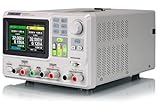
Siglent SPD3303X-E
- Three isolated outputs
- Independent series and parallel modes
- 220W total
- 3-year warranty
All 10 Bench Power Supplies at a Glance in 2026
Every pick below is rated on how well it covers a real hobbyist job, not on how many features the box prints on the side. Use this table to narrow the field, then read the section for the model you are considering.
| Product | Specs | Action |
|---|---|---|
| Jesverty SPS-3010 30V 10A Switching |
|
Check Latest Price |
 Kiprim DC310S Programmable 30V 10A Kiprim DC310S Programmable 30V 10A |
|
Check Latest Price |
 Tekpower TP3005T 30V 5A Linear Tekpower TP3005T 30V 5A Linear |
|
Check Latest Price |
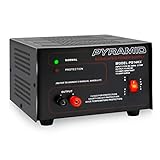 Pyramid PS14KX.5 13.8V 12A Pyramid PS14KX.5 13.8V 12A |
|
Check Latest Price |
 KORAD KD3005D 30V 5A Linear KORAD KD3005D 30V 5A Linear |
|
Check Latest Price |
| Siglent SPD3303X-E Triple Output |
|
Check Latest Price |
 WANPTEK TPS-C 3010H 30V 10A WANPTEK TPS-C 3010H 30V 10A |
|
Check Latest Price |
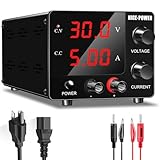 NICE-POWER SPS-E305 30V 5A NICE-POWER SPS-E305 30V 5A |
|
Check Latest Price |
| Jesverty SPS-3010V 32V 10A |
|
Check Latest Price |
 NANKADF 30V 10A Encoder NANKADF 30V 10A Encoder |
|
Check Latest Price |
One line each: the Jesverty SPS-3010 is the general-purpose default, the Kiprim DC310S is the one to script from a PC, the Tekpower TP3005T is the quiet linear workhorse, the Pyramid PS14KX.5 is a fixed 13.8V rail for radio gear, the KORAD KD3005D is a linear 30V/5A with digital readouts, the Siglent SPD3303X-E covers three isolated rails, the WANPTEK TPS-C 3010H is the tidiest repair bench, the NICE-POWER SPS-E305 is the most economical starter, the Jesverty SPS-3010V adds 32V and finer control, and the NANKADF 30V 10A is the most accurate below 15V and runs silently.
1. Jesverty SPS-3010 – Best Overall 30V/10A Switching Supply
Jesverty DC Power Supply Variable, 0-30V 0-10A Adjustable Switching DC Regulated Bench Power Supply with High Precision 4-Digit LED Display, 5V/2A USB Port, Coarse and Fine Adjustment SPS-3010
0-30V / 0-10A
300W maximum
4-digit V/A/W display
Auto CV/CC
2.4 lb tower
Pros
- Covers the whole 0-30V 0-10A range most hobby projects need
- Real-time voltage current and power readout
- Automatic constant-voltage and constant-current crossover
- Compact 7.1 inch tower leaves bench space
- Short-circuit and over-load protection
Cons
- Included test leads are basic give-away quality
- Coarse and fine potentiometers are less precise than encoder knobs
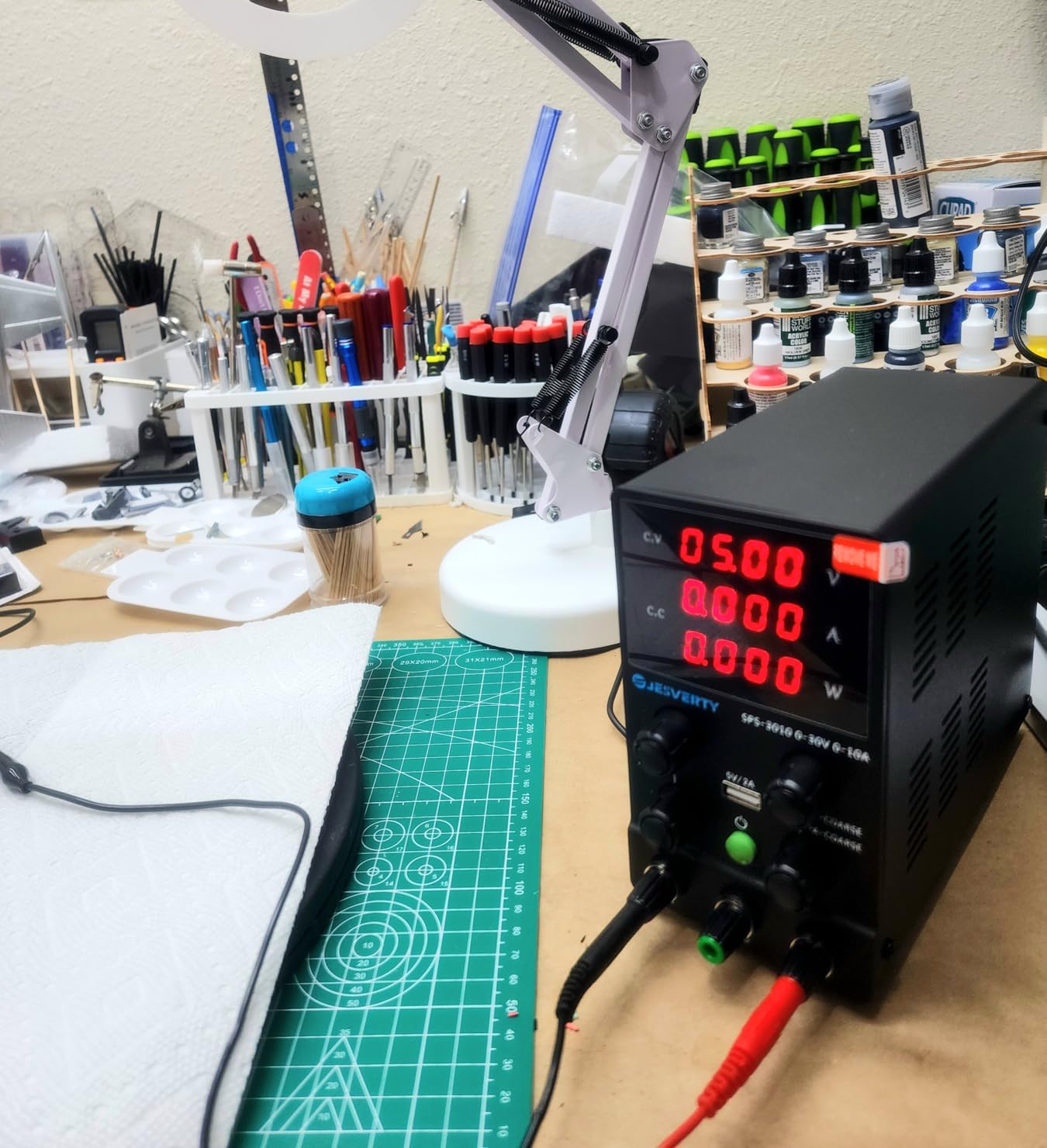
This is the unit we keep coming back to. With 1664 reviews behind it, the SPS-3010 is the most heavily reviewed bench supply in this group, and the reason is straightforward: the 0-30V, 0-10A, 300W envelope covers an Arduino, an ESP32 board, a 3D printer bed, a strip of LEDs and a small motor without you having to think about it.
The 4-digit display shows measured voltage, current and power at the same time, which is far more useful than a single number. Watching the wattage figure while you sweep a motor speed or watch an LED driver warm up tells you far more than a voltage reading alone. Resolution runs to 0.01V, 0.001A and 0.1W on that panel.
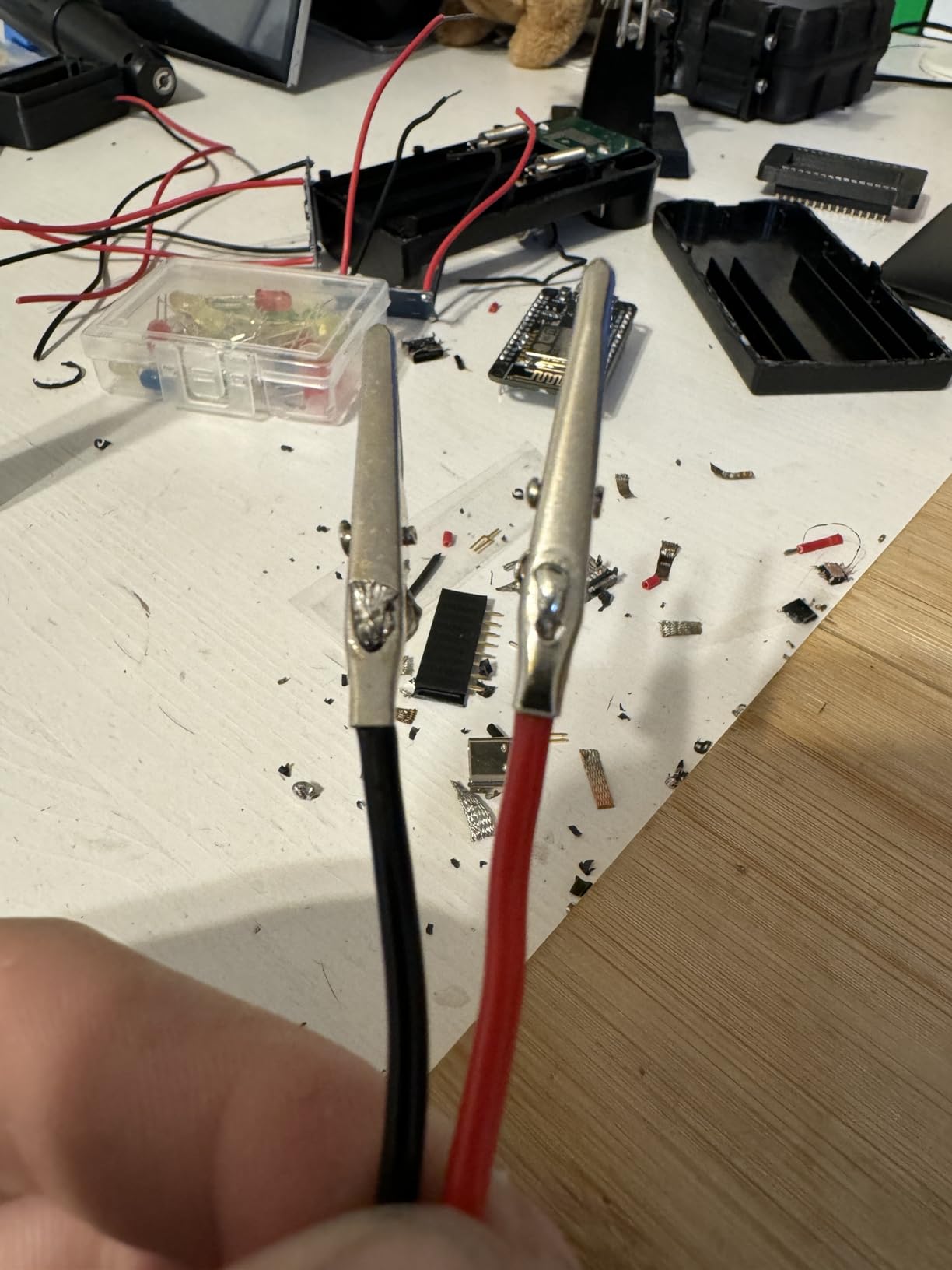
Mode handling is automatic. The supply watches the load and crosses from constant voltage to constant current on its own, so you do not have to flip a switch when your circuit starts drawing more than expected. Short-circuit, over-load and temperature-regulated fan protection are built in, and there is a grounding terminal on the output for noise-sensitive grounding.
The physical design matters more than it sounds. At 3.35 by 6.1 by 7.09 inches and 2.4 pounds, it stands upright like a tower instead of sprawling across the bench, which leaves real estate for a breadboard and a scope. The 5V/2A USB port on the front is a nice touch for charging a phone or powering a small accessory without a second supply.
Reviewers consistently praise the compact footprint, the bright high-resolution display and the automatic mode crossover as the three things that set it apart. The most repeated reservation is the test leads, which the manufacturer describes as give-away quality and which are not really built for sustained high-current work.
Why this one works for a first bench
It covers the full range of a typical hobbyist project set without a second purchase, which means a beginner buys once. A microcontroller project, a 5V logic rail and a 12V motor can all be powered from the same box at the same time, sequentially.
The live power readout turns the supply into a diagnostic tool. If a board draws far more current than the design calls for, the number tells you before anything gets hot, which is exactly the kind of early warning a wall wart cannot give you.
Where it falls short
The included leads are the weak point. Plan on spending a few dollars on a proper set of banana-to-banana and banana-to-alligator test leads in 16 or 18 gauge, because those are the leads you will be holding onto for years.
The coarse and fine potentiometer knobs need care. They are not digital encoders, so hitting an exact value like 3.30V takes a little more patience than on a unit with per-digit selection. The switching topology also means this is not the right choice for very low-noise analog work.
2. Kiprim DC310S – Best for Programmable and Automated Testing
DC Power Supply, 0-30V 0-10A Adjustable Regulated Power Source, 110V Input, High Precision 4-Digit Display, Multiple Safety Protections, PC Software Control & Dual USB Ports
0-30V / 0-10A
300W programmable
2.8 inch color LCD
USB PC control
Pros
- Color LCD with curve display modes
- PC software control with SCPI-style programmability
- Four memory presets and 10-point editable waveforms
- Customizable over-voltage over-current and overheat thresholds
- Rear USB for firmware updates
Cons
- Larger and heavier than compact units in the same power class
- Costs several times a comparable non-programmable 30V 10A supply
The Kiprim DC310S is the pick for anyone who wants the supply driven by a script instead of a hand. It takes commands over a rear USB connection, stores four parameter sets in memory slots M1 through M4, and can run a 10-point editable waveform across voltage, current and duration. For soak testing, battery discharge curves or production-style checks, that removes the tedium of turning knobs.
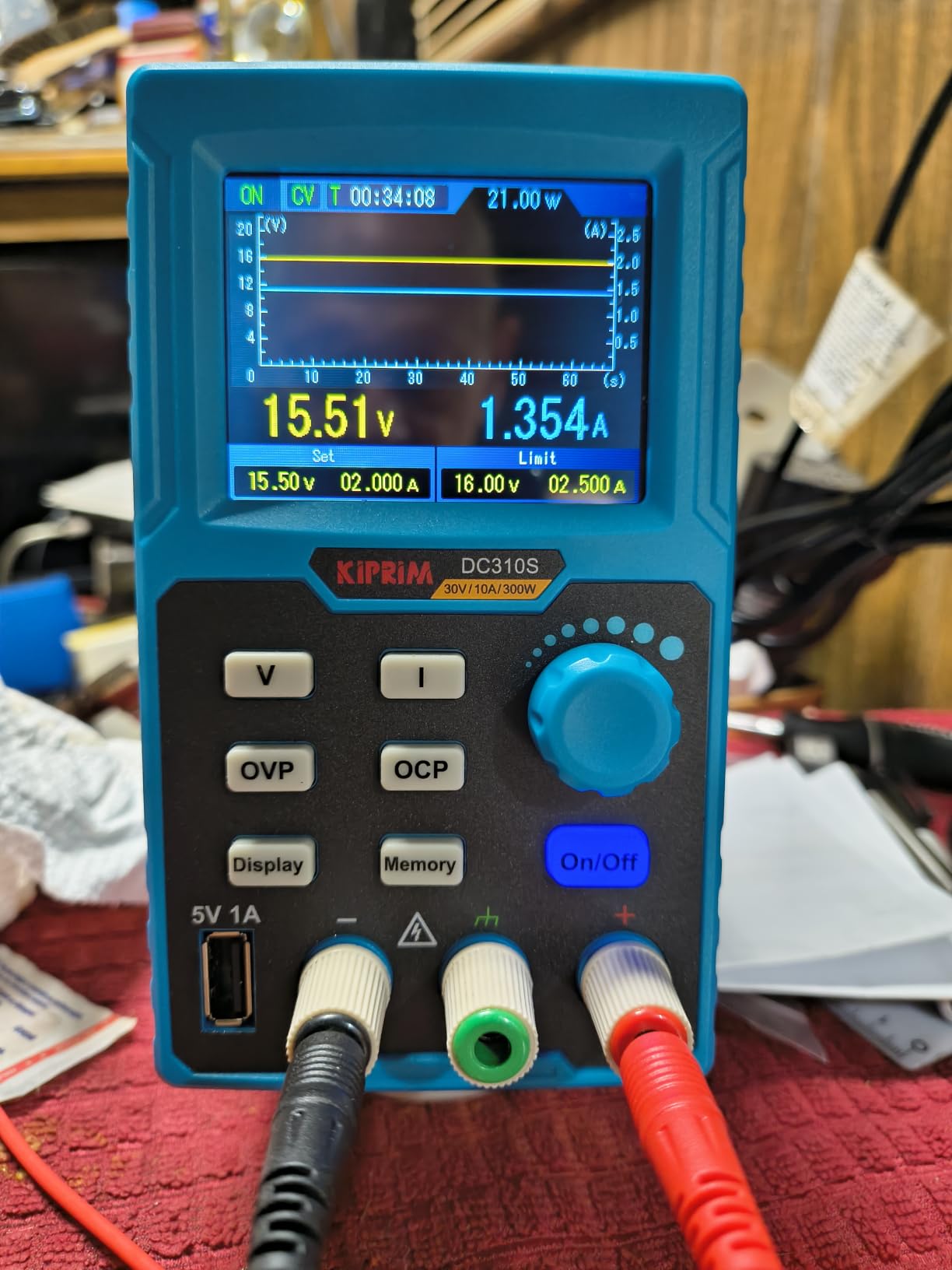
The 2.8-inch color LCD is the real differentiator at this level. It can show a numeric readout or a plotted curve, so a charging profile draws itself on screen while it runs. Resolution is 10mV on voltage and 1mA on current, and the screen also reports runtime and channel status.
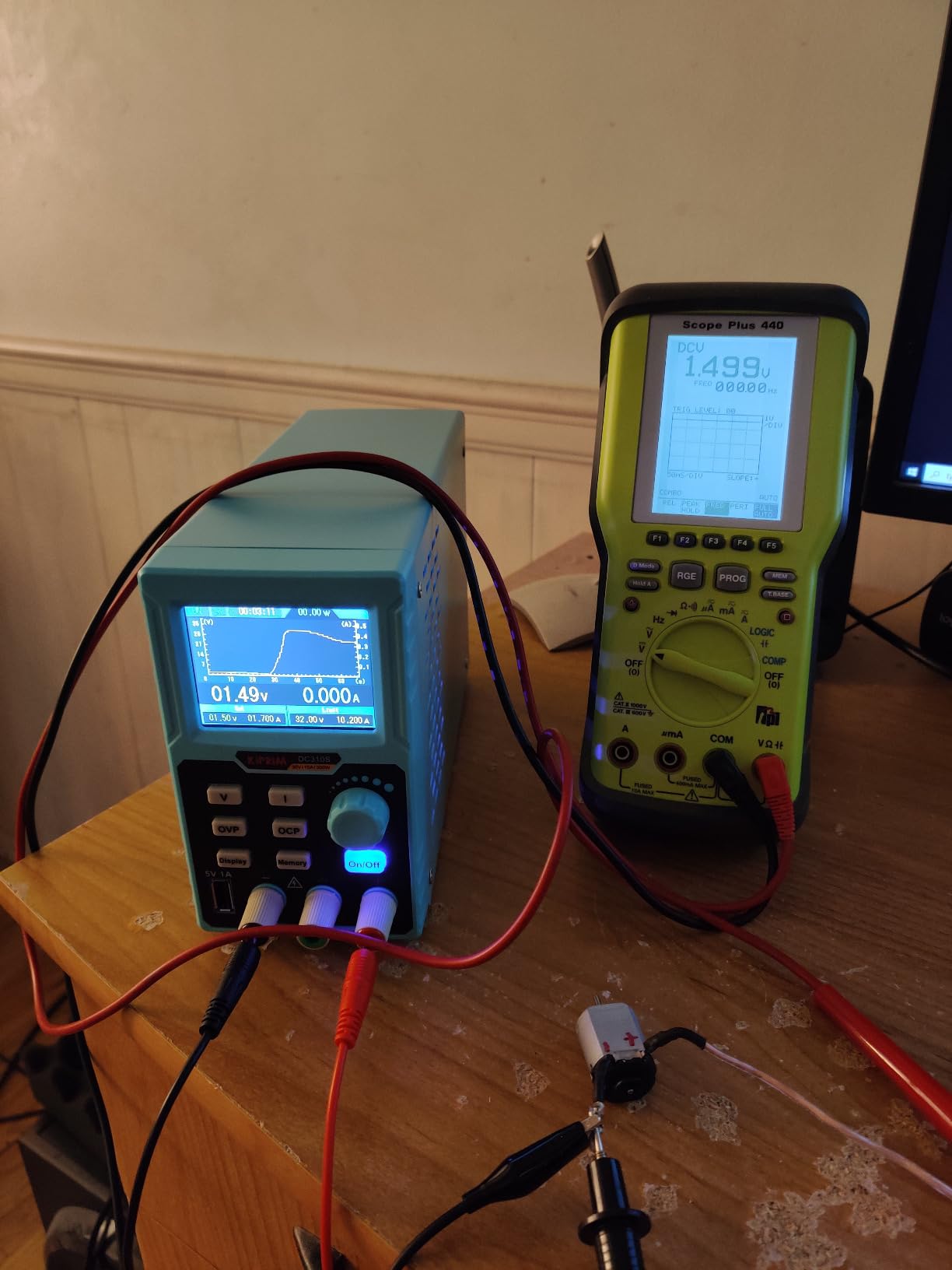
Protection is unusually thorough and unusually adjustable. Over-voltage can be set from 0 to 31V, over-current from 0 to 10.1A, and the over-temperature threshold sits at 85C, all with user-defined limits rather than a fixed factory trip point. Set a tight over-voltage ceiling and a wiring mistake cannot push a surprise spike into your circuit.
There is also a front 5V 1A USB port, and the rear USB doubles as the firmware update path, so a new firmware release can extend features without a service visit. The measurement chain is the part that pays off long term: repeatable, scriptable output turns the bench into something you can log data from.
Reviewers highlight the color screen, the programmability and the PC control as the reasons to step up from a non-programmable supply, and the adjustable protection thresholds get specific praise for bench safety. Those are the same features that make the price jump from the entry band to somewhere in the middle.
When programmability actually pays off
Any test that repeats is a candidate. A battery pack discharge run, a series of power-good checks across a board revision, or a temperature sweep all become single commands once the supply is scriptable.
Memory presets M1 to M4 also help the manual user, since a common 5V, 3.3V and 12V setup is one button press away rather than a fresh dial-in each session.
What you give up for the screen
At 8.9 by 3.23 by 5.59 inches it is noticeably bigger than the tower models in the same power class, and it needs real bench depth to sit flat.
The jump in cost over a comparable fixed 30V/10A supply is the other tradeoff. If you will dial voltage by hand and never connect a USB cable, those features are money spent for nothing, and a simpler unit serves you better.
3. Tekpower TP3005T – Best Linear Supply for Low-Noise Analog Work
Tekpower TP3005T Variable Linear DC Power Supply, 0-30V @ 0-5A with Alligator Test Leads
0-30V / 0-5A linear
300W output
Metal body
11.7 inch wide
Pros
- Linear regulation gives low ripple for analog and audio work
- Large metal chassis dissipates heat passively
- Simple back-lit LED layout with no menu to learn
- Alligator test leads included out of the box
Cons
- No programmability presets or PC connectivity
- 5A ceiling is half that of most 30V/10A competitors
- Bulky 12 pound desktop form factor
Linear topology is the whole point of this supply. A series pass element sits between the rectifier and the output, which removes the switching node from the noise path. If you are building audio amplification, op-amp stages, low-level sensor front ends or anything RF-adjacent, that difference is audible and measurable.
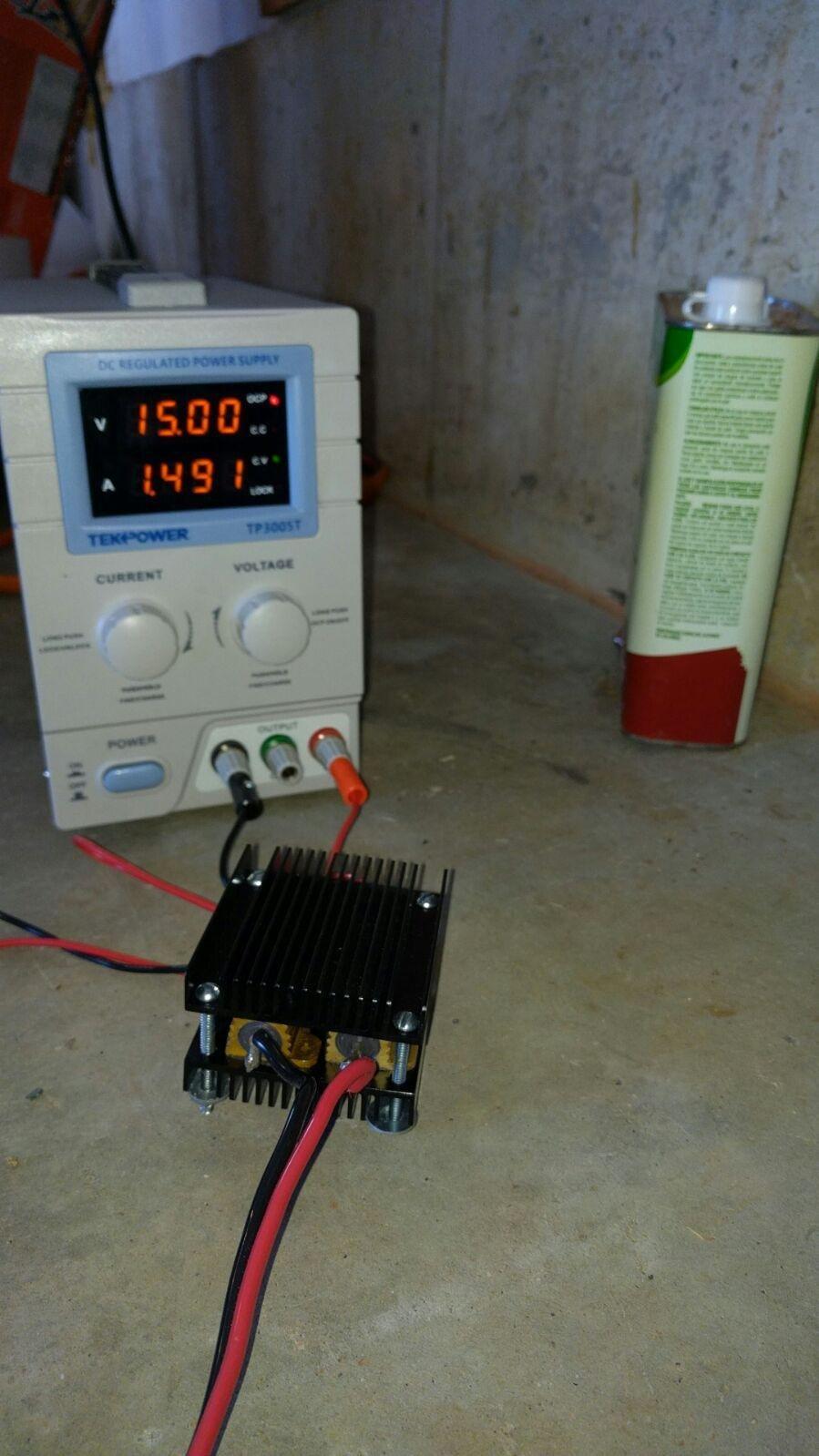
It runs both constant-voltage and constant-current modes, so it still behaves like a proper bench supply for current-limited first power-up. The back-lit LED display reads to 0.1V and 0.01A, which is enough for panel work, though it will never feel as precise as a four-digit unit.
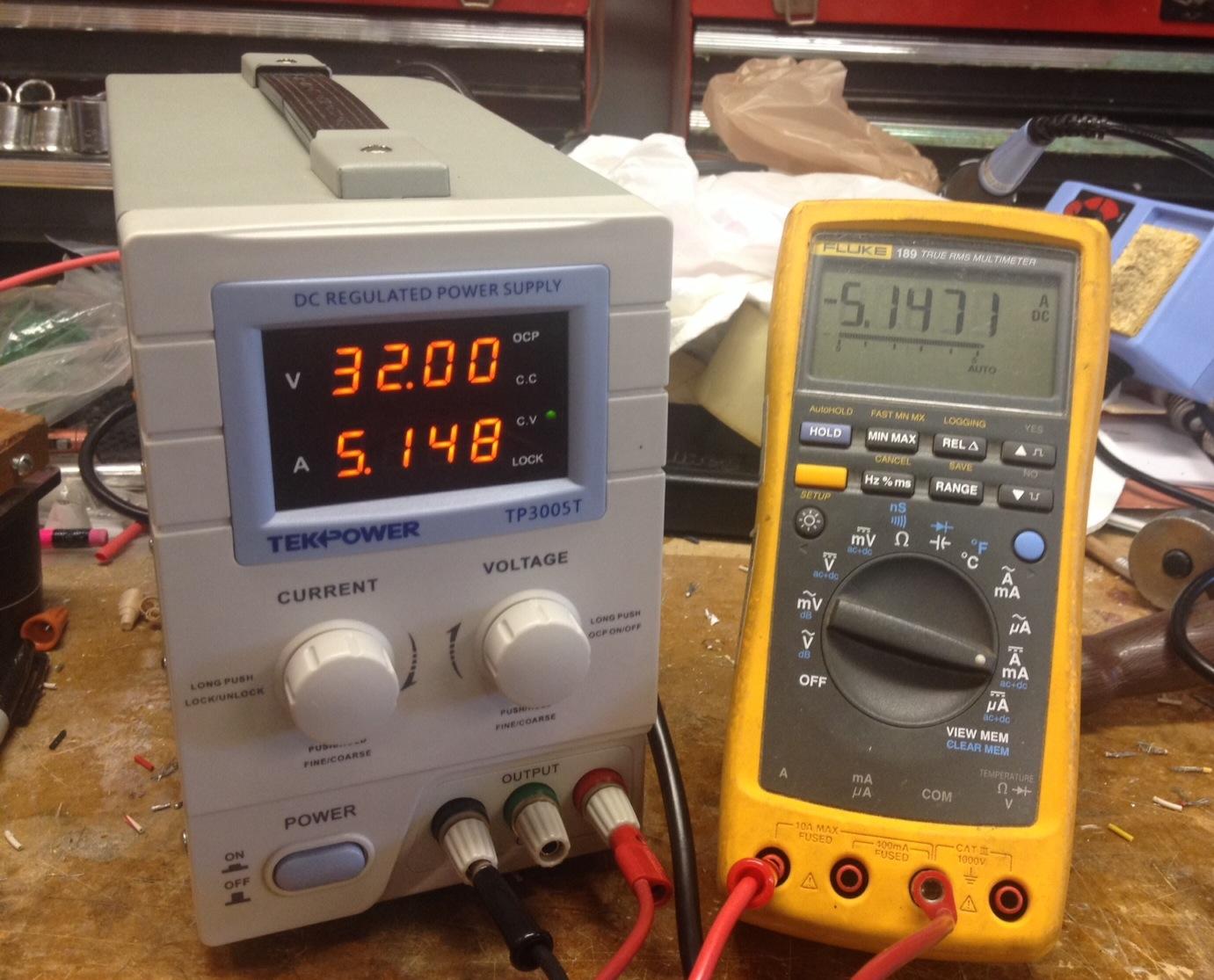
Cooling is handled by a fan that a built-in thermo-sensor switches on when it is needed, rather than running constantly. The 12-pound metal body is heavy precisely because it is: the mass is the heatsink, and that is what lets a linear supply dissipate its losses without screaming.
Alligator clip test leads are in the box, which saves a first purchase, and there is a 1-year manufacturer warranty behind the unit. Owners consistently point to the linear regulation and quiet running as the reasons they keep it, and the missing digital entry is what they most often wish back.
One more note from the community: hobbyists who do this kind of work tend to own a switching supply as well, and use each one for what it does well. High-current motor and LED work goes to the switching unit, quiet analog rails stay on the linear bench box.
Where linear regulation earns its keep
Audio amplification, op-amp signal chains, reference voltages and anything where a small ripple component lands inside the signal path. There, the supply stops being a power source and starts being part of the circuit.
It is also a good choice for teaching, because a simple front panel with no menus and no encoder makes the constant-voltage and constant-current behaviour easy to demonstrate and easy to understand.
When it is the wrong tool
The 5A ceiling is the hard limit. A heated bed, a bank of LED strips or a small motor project will push past it, and when you hit the limit the supply simply drops into constant current and the voltage sags.
At 11.7 by 9.7 by 7.9 inches and 12 pounds, it claims a large piece of bench. There is also no preset memory, no PC control and no output on/off button, so wiring changes happen with the output live unless you switch at the mains.
4. Pyramid PS14KX.5 – Best Fixed 13.8V Supply for Radio and Mobile Gear
Pyramid Universal Compact Bench Power Supply- 12 Amp Linear Regulated Home Lab Bench-top AC-to-Dc 12V Converter w/ 13.8V Dc 115V AC 270W Power Input, Screw Type Terminals, Cooling Fan- PS14KX.5
Fixed 13.8V DC output
12A constant 14A surge
270W at 115V AC
Screw terminals
Pros
- 13.8V is exactly the right rail for ham radio and mobile accessories
- 12A continuous handles higher-draw equipment
- Built-in overload and short-circuit protection with auto-reset fuse
- Cabinet heatsink and cooling fan for sustained running
Cons
- Fixed output with no user adjustment at all
- Some units run warm and the cooling fan is not present on every revision
- Needs spade or eyelet leads rather than banana plugs
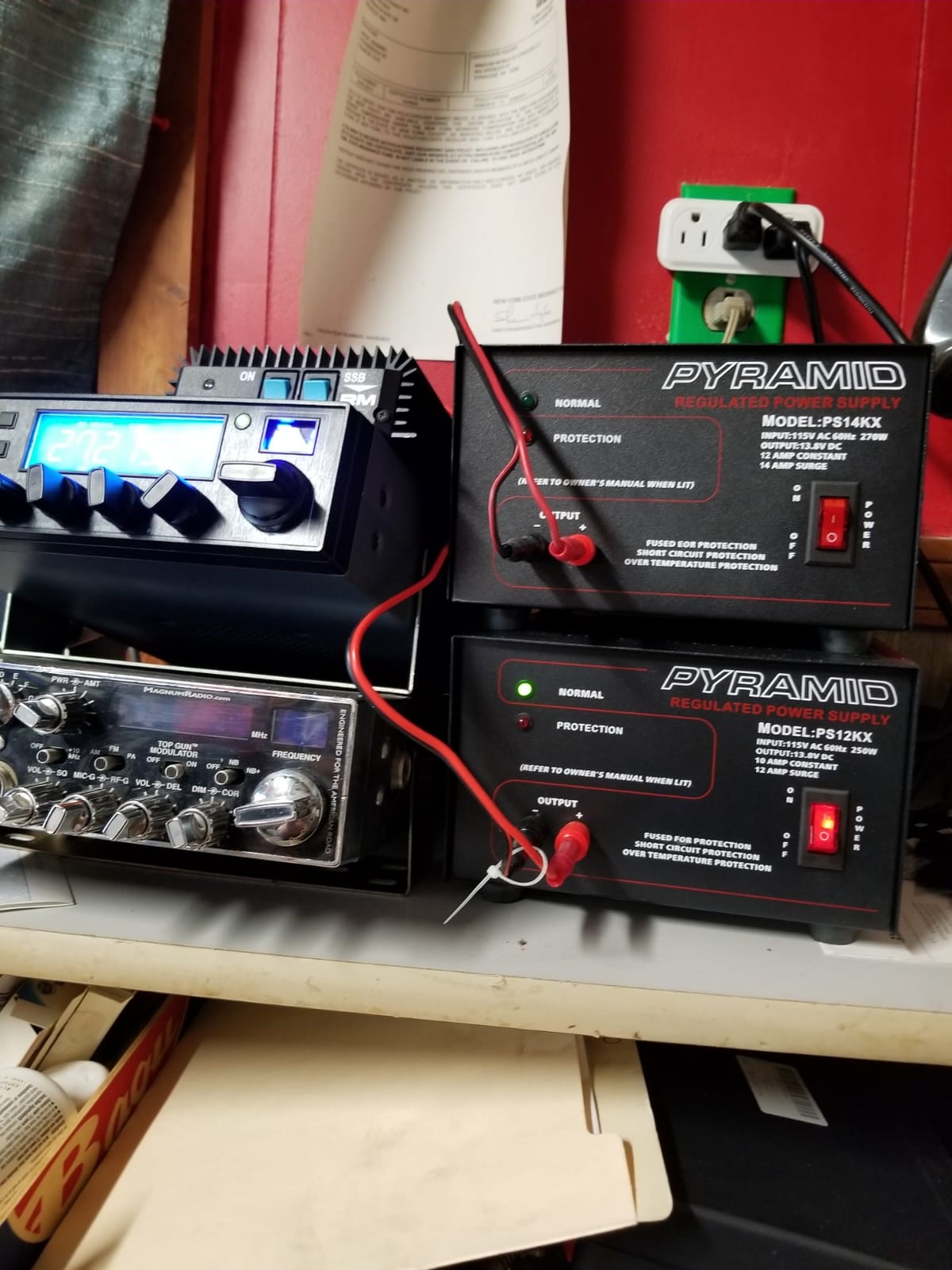
This is a different kind of bench supply, and for its intended audience it is the right one. The output is fixed at 13.8V, which is the standard rail for ham radio transceivers, CB sets, scanners and a lot of mobile accessories fitted with a cigarette-lighter adapter. 13.8V is a 12V lead-acid cell at full charge, so gear designed for a vehicle socket sees exactly the voltage it expects.
Capacity is 12A constant with 14A surge, from a 270W input at 115V AC 60Hz. That is enough headroom for a base station radio and its accessories, and the surge rating covers the moment a transmitter keys up and the amplifier draws harder than idle.
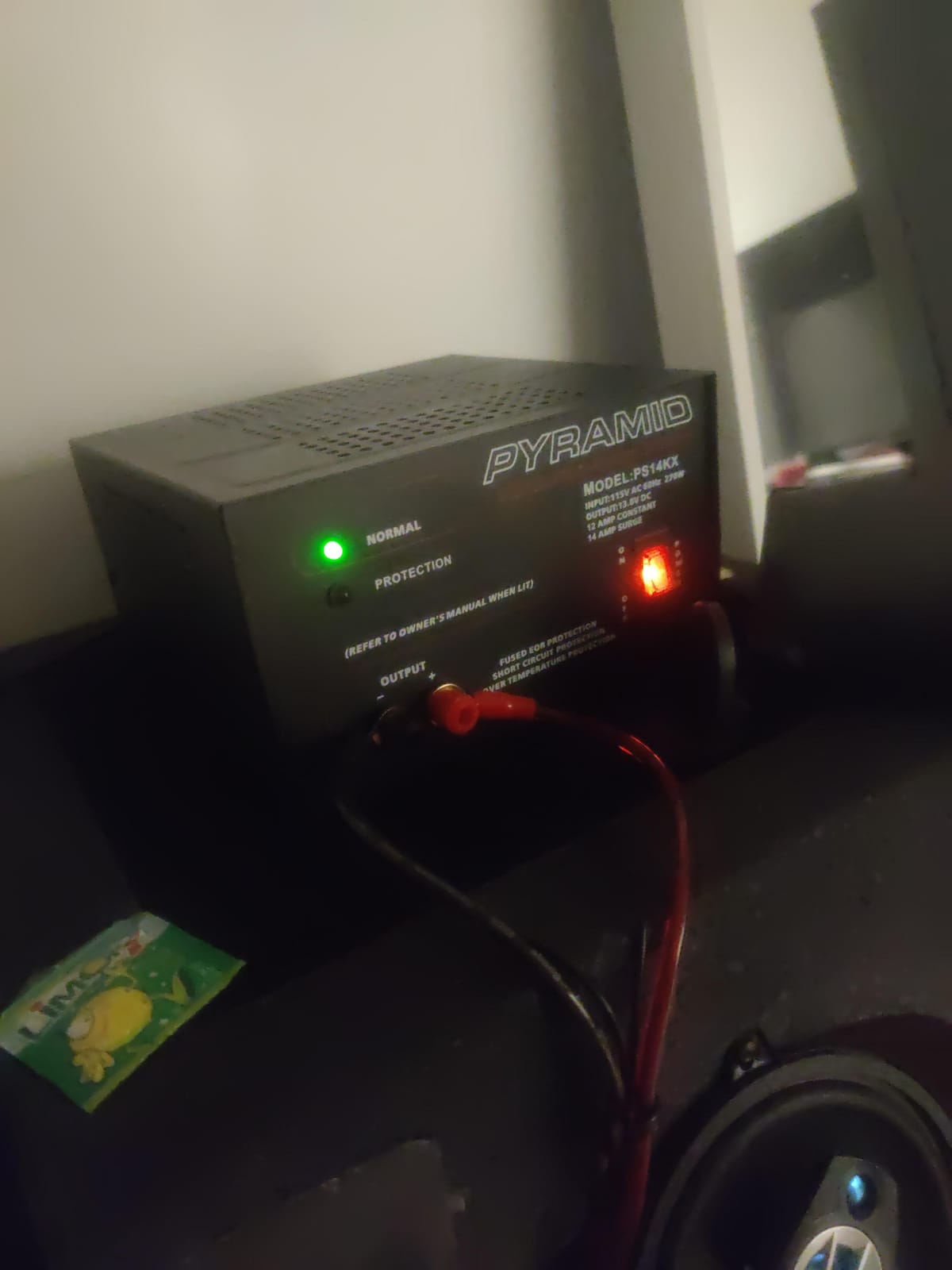
Protection is handled by an electronic overload and short-circuit circuit with an auto-reset fuse, so a mistake trips the output and then recovers on its own. Connections are universal screw-type hardwired terminals, which accept spade or eyelet terminations and give a solid mechanical joint rather than a loose plug.
Owners confirm accurate 13.8V output across the range and solid construction, and the 78% five-star share in the reviews reflects that. The recurring caveats are heat under sustained heavy load, the weight of the chassis, and the fact that you need terminated leads rather than the banana plugs a scope uses.
Our view is that this is a specialist bench addition, not a general-purpose one. If you work on radio or mobile gear, it is a clean single-purpose rail with no knobs to mis-set. If you are building microcontroller boards, a variable supply is the tool you actually want.
Reasons to add it to a mixed bench
It removes the car battery from the picture. A fixed supply gives your mobile gear a stable bench rail without a charger, a fuse and a lead running off to the garage.
Because the output never moves, there is nothing to dial in and nothing to get wrong. Connect the terminals, switch it on, and the load sees a steady 13.8V every time.
Where it will frustrate you
There is no adjustment at all. If a project needs 12.0V rather than 13.8V, this supply cannot help, and you would need a separate regulator in line.
Heat is a real consideration. The cabinet heatsink is doing most of the work, and a few reviewers report the cooling fan is missing on certain production revisions, so check yours on arrival. Budget for spade or eyelet-terminated leads as well.
5. KORAD KD3005D – Best Linear 30V/5A for Precision DC Work
KORAD KD3005D – Precision Variable Adjustable 30V, 5A DC Linear Power Supply Digital Regulated Lab Grade…
0-30V / 0-5A linear
Metal enclosure
Dual 4-digit displays
110V/220V switchable
Pros
- True linear regulation from an established lab-grade brand
- Dual 4-digit LED displays show voltage and current at once
- Digital controls are more repeatable than analog pots
- Switchable 110V/220V input suits more regions
- Only 2% one-star reviews in the rating spread
Cons
- 5A maximum current rules out heavier loads
- No programmability presets or remote control interface
- Large 14 x 10 x 10 inch metal chassis
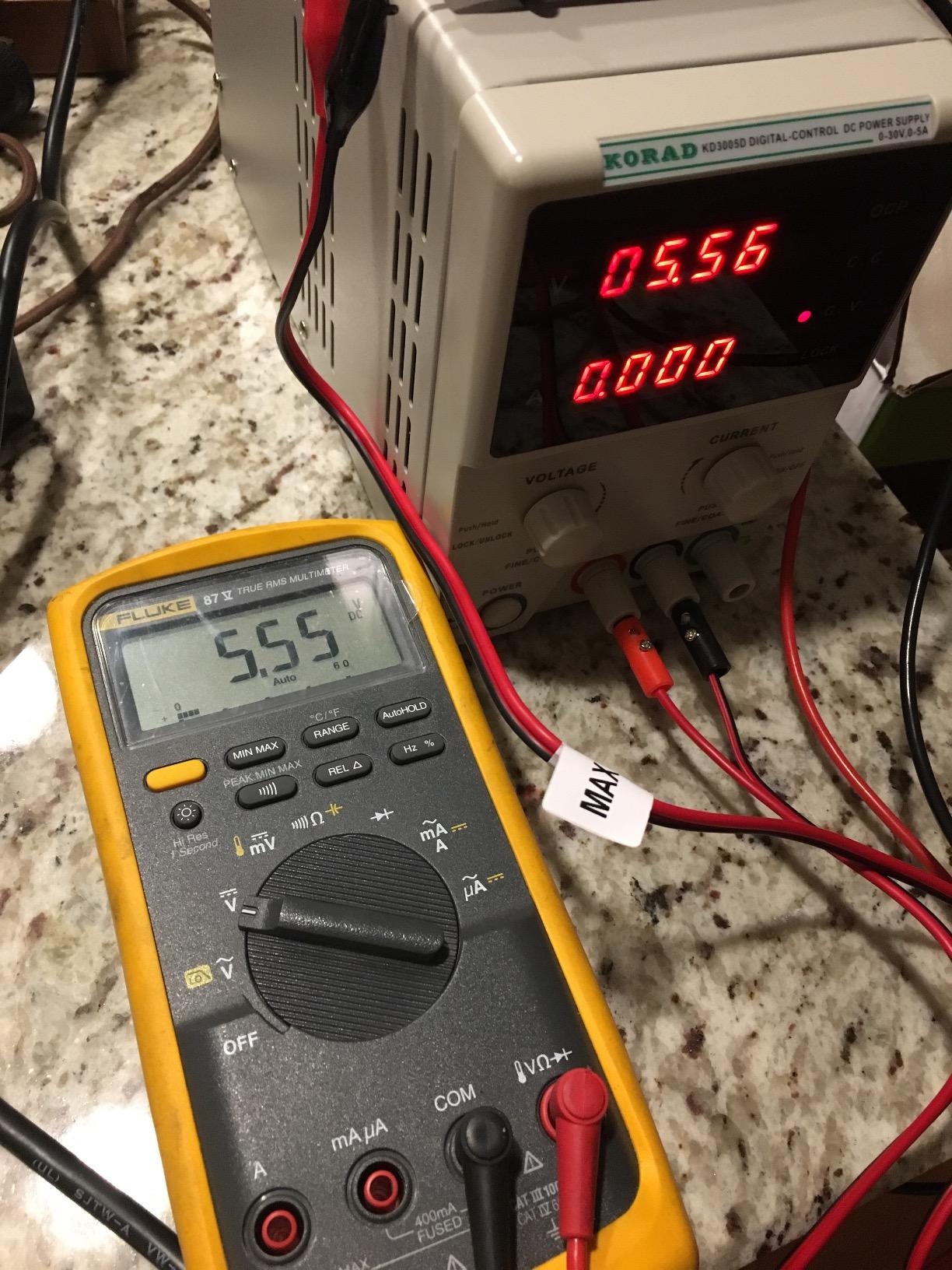
The Korad KD3005D is the one we recommend when noise matters and you also want digital controls. Linear regulation gives the quiet output, and the dual 4-digit LED displays plus digital entry remove the vagueness that analog pots bring. You set a value, the supply holds that value, and both voltage and current are visible simultaneously.
On the community side, the Korad line has a long record as the recommended value pick, with owners across EEVblog and r/AskElectronics describing low ripple, stable output, no overshoot on load changes and good accuracy. That consistency is why it has held its position for years in a market that churns constantly.
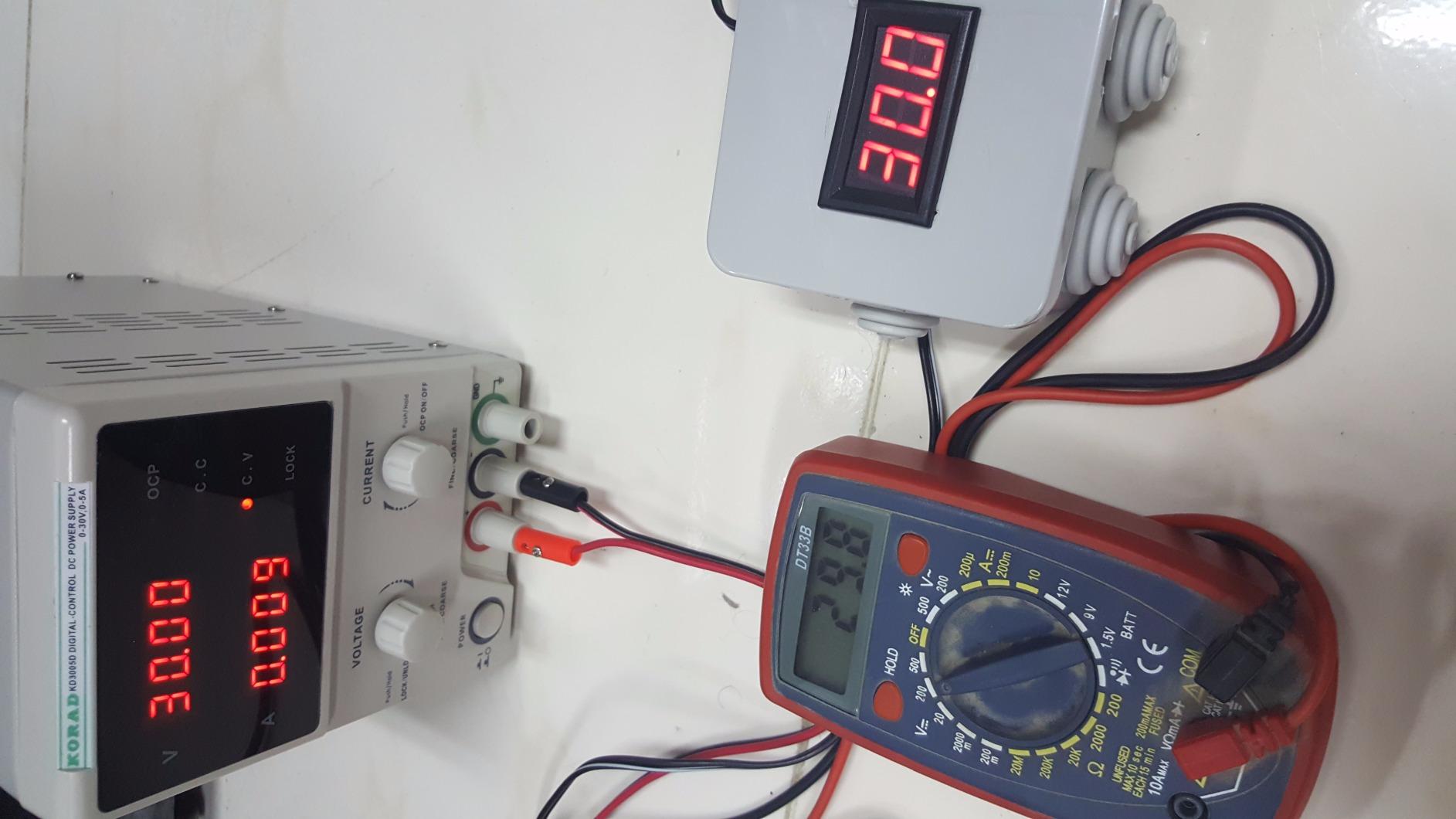
The display switches automatically between milliamps and amps, so a 20mA sensor draw and a 3A motor load both read sensibly without a mode switch. Protection covers overload, short circuit and over-temperature, and the AC input is switchable between 110V and 220V, which is unusual at this size and genuinely useful across regions.
Everything you need is in the box: 5A test leads, the power cord and a manual. For someone setting up a first serious bench, not having to buy leads separately is a small but real convenience.
The 73% five-star share with only 2% one-star is among the most consistent rating spreads in this group, which is a meaningful signal for a tool you intend to keep for a decade.
Why the digital controls matter here
Analog pots drift as they age and make it hard to return to the same value later. Digital entry means a repeatable setpoint, which matters when you are comparing two builds at identical voltage or stepping a rail in known increments.
Two displays remove a habitual annoyance. You can watch current draw live while the voltage stays fixed, which is exactly what you want during a first power-up of a new board.
Where the trade-offs bite
The 5A ceiling is the binding constraint. Anything drawing more, including most heated beds and multi-LED arrays, will push the supply into constant current and the voltage will collapse.
There is no programmability, no preset memory and no remote interface, so automated sequences are out. And at 14 by 10 by 10 inches with a 9-pound metal body, it needs a serious corner of the bench. Weighing accuracy against footprint, this is the pick for a quiet bench with room to spare.
6. Siglent SPD3303X-E – Best for Three Isolated Rails and Op-Amp Circuits
Siglent Technologies SPD3303X-E Triple Output Power Supply
Three isolated outputs
32V/3.2A x2 plus 2.5/3.3/5V
220W total
3-year warranty
Pros
- Three independently controlled and isolated outputs
- Series and parallel modes add real flexibility
- Fixed 2.5V 3.3V 5V rail for digital and mixed-signal work
- 3-year warranty and 100-230V input
- Trending graphs on the front panel
Cons
- Most expensive pick in the group
- Only 3.2A per adjustable channel
- Heavy 17.6 pound chassis with a large footprint
Everything else in this roundup is a single-rail supply. The Siglent SPD3303X-E is three, and they are isolated from one another, which is the feature that changes how you build. Two channels give 32V at 3.2A each, and the third delivers 2.5V, 3.3V or 5V at up to 3.2A, for 220W of total output.
Isolation is the headline. Because the channels do not share a common ground, you can wire positive-to-negative between two channels to build a bipolar or split supply without fighting a shared ground reference. That is the exact request that comes up repeatedly on r/AskElectronics, where people ask for two outputs with series and tracking mode for op-amp work. This unit has independent, series and parallel operating modes and answers all three.
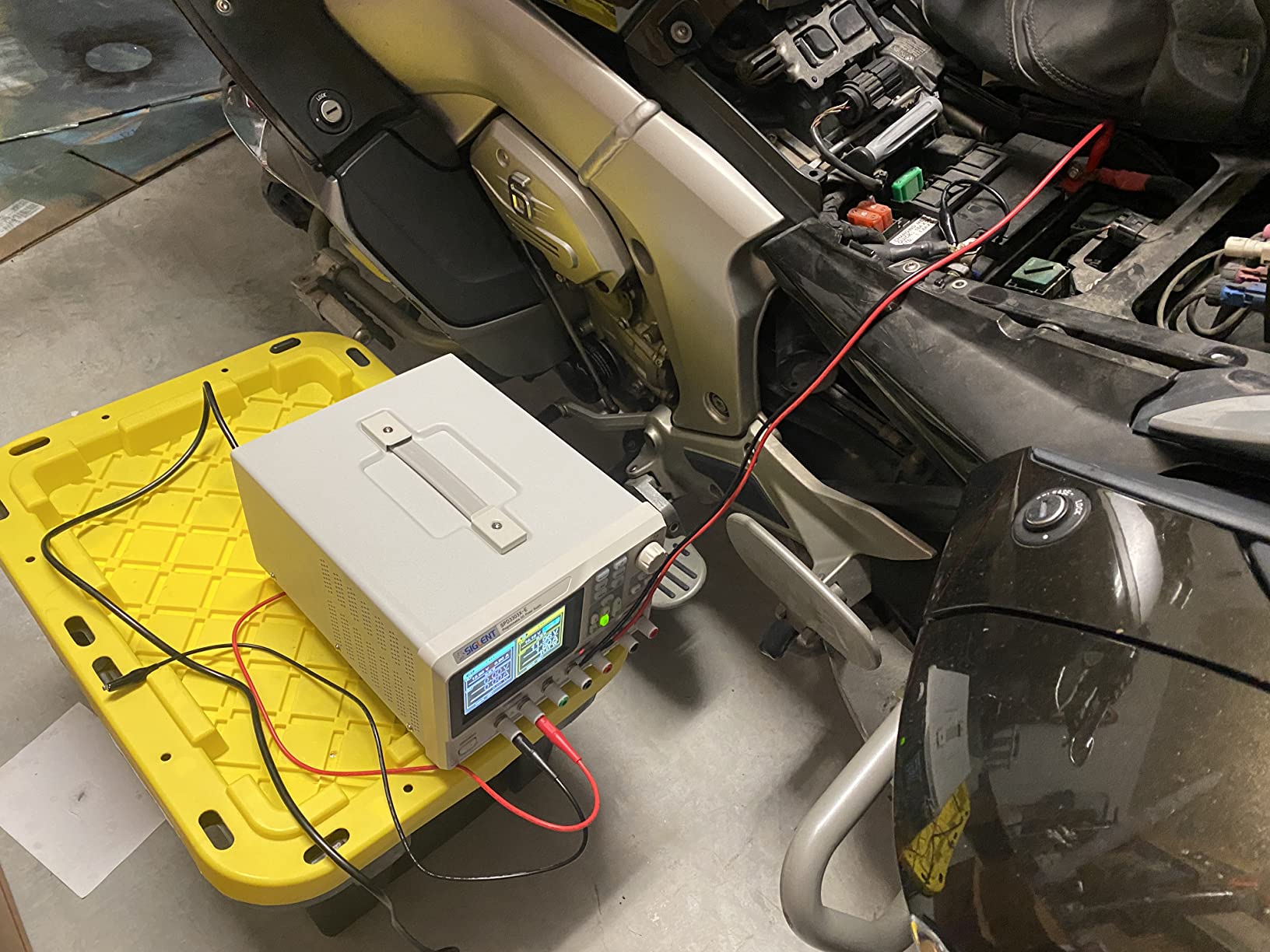
In series mode the two 32V channels reach 64V, which is useful for driving a higher-voltage rail. In parallel mode they share the load and give roughly 6.4A. Neither is a substitute for a dedicated high-current supply, but both are genuinely useful and neither is available on a single-rail box.
The third fixed rail removes a whole category of bench clutter. Microcontroller and logic work normally needs 3.3V or 5V, and having a dedicated, independently metered channel for it is simpler and cleaner than hunting for a separate brick. A timing output function and on-screen trending graphs handle repeatable test sequences.
The 4.6 rating with an 80% five-star share puts it among the best-rated units here, and the 3-year warranty is the longest on offer. Reviewers repeatedly single out channel isolation, series and parallel flexibility and the warranty as the reasons to spend here, with the price premium and modest per-channel current as the accepted costs.
Who genuinely needs isolated channels
Op-amp and analog front-end work, where a bipolar or split supply is required and a common ground would tie your signal to earth in ways you did not plan. Instrumentation-style builds benefit for the same reason.
Mixed-signal projects also gain: a 3.3V or 5V channel for logic alongside two adjustable rails for analog means one box covers an entire board’s power needs.
The case against it
It is the most expensive pick here by a wide margin, and 3.2A per adjustable channel is well below the 10A that switching units in this list deliver. If your work is high current rather than multi-rail, this is the wrong end of the trade.
At 16 by 14 by 11 inches and 17.6 pounds, it will dominate a small bench. Buy this one when the circuit demands it, not as a general upgrade.
7. WANPTEK TPS-C 3010H – Best Compact Repair Bench
WANPTEK DC Bench Power Supply 30V 10A, Regulated Variable Lab Power Supply with Memory Presets, Encoder Knob,OCP Protection, Output Switch, 4-Digit LED, USB Fast Charge and Key Lock for Repair
0-30V / 0-10A
300W
Encoder with fine 0.1V steps
1.2 kg body
Pros
- Encoder drops to fine 0.1V steps when idle
- Three memory presets speed up repetitive work
- Compact 1.2 kg body leaves bench space
- Quiet running with a clear 4-digit display
- Output ON/OFF switch plus OCP and key lock
Cons
- Loud power-on beep that cannot be fully disabled
- Supplied leads use terminals rather than banana plugs
- Amplitude readout reported as slightly imprecise
The WANPTEK TPS-C 3010H is a 0-30V, 0-10A, 300W supply in a horizontal body that measures 8.27 by 5.71 by 3.15 inches and weighs 1.2 kg. That footprint is the headline for a repair bench, where the supply competes for space with a multimeter, a soldering iron and a hot air gun.
The encoder knob handles digit-by-digit adjustment for both voltage and current, and reviewers specifically praise the behaviour where the encoder returns to fine 0.1V steps whenever it is idle. It makes hitting an exact value quick without the fiddling that coarse and fine pots demand.
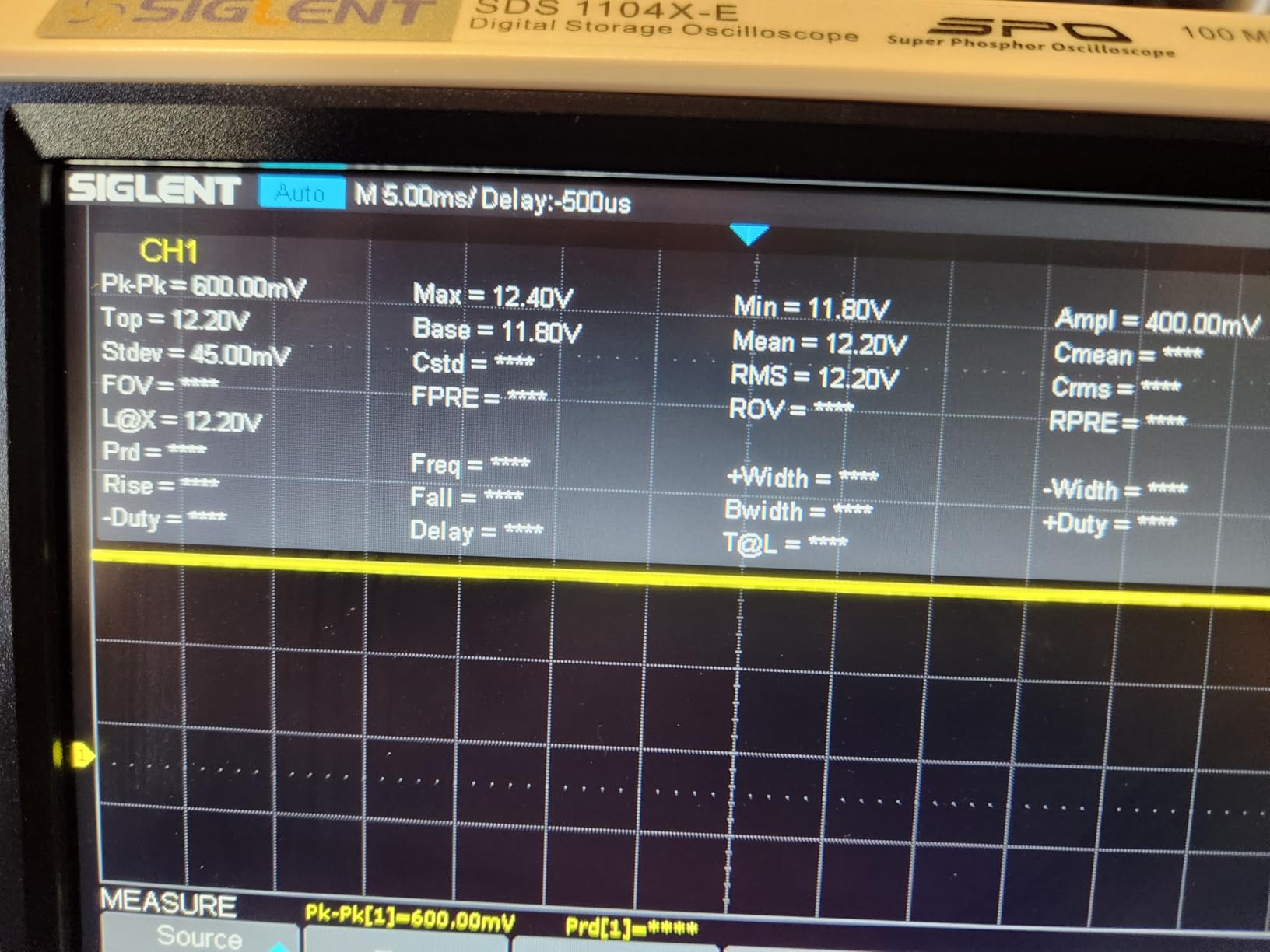
Three memory presets, M1 through M3, cover the settings you return to repeatedly, and the 4-digit LED shows real-time voltage and current. There is a 115V/230V input selector on the rear panel rather than a 120V-only fixed supply, so the same unit works in more regions.
For repair work, the output ON/OFF switch is the feature to appreciate. It lets you wire a board while the output is de-energised, then energise it, instead of swapping leads across live terminals. OCP cuts the output on a short circuit and resumes once the fault is cleared, and the key lock prevents accidental knob movement mid-test.
Wanptek-style 30V/10A units are popular with hobbyists partly for exactly this feature mix, though the same class of unit often draws complaints about fan noise. This one is repeatedly described as quiet. The 79% five-star share and the recurring mentions of encoder fine-adjust, memory presets, compact size and quiet running match what we have seen on the bench.
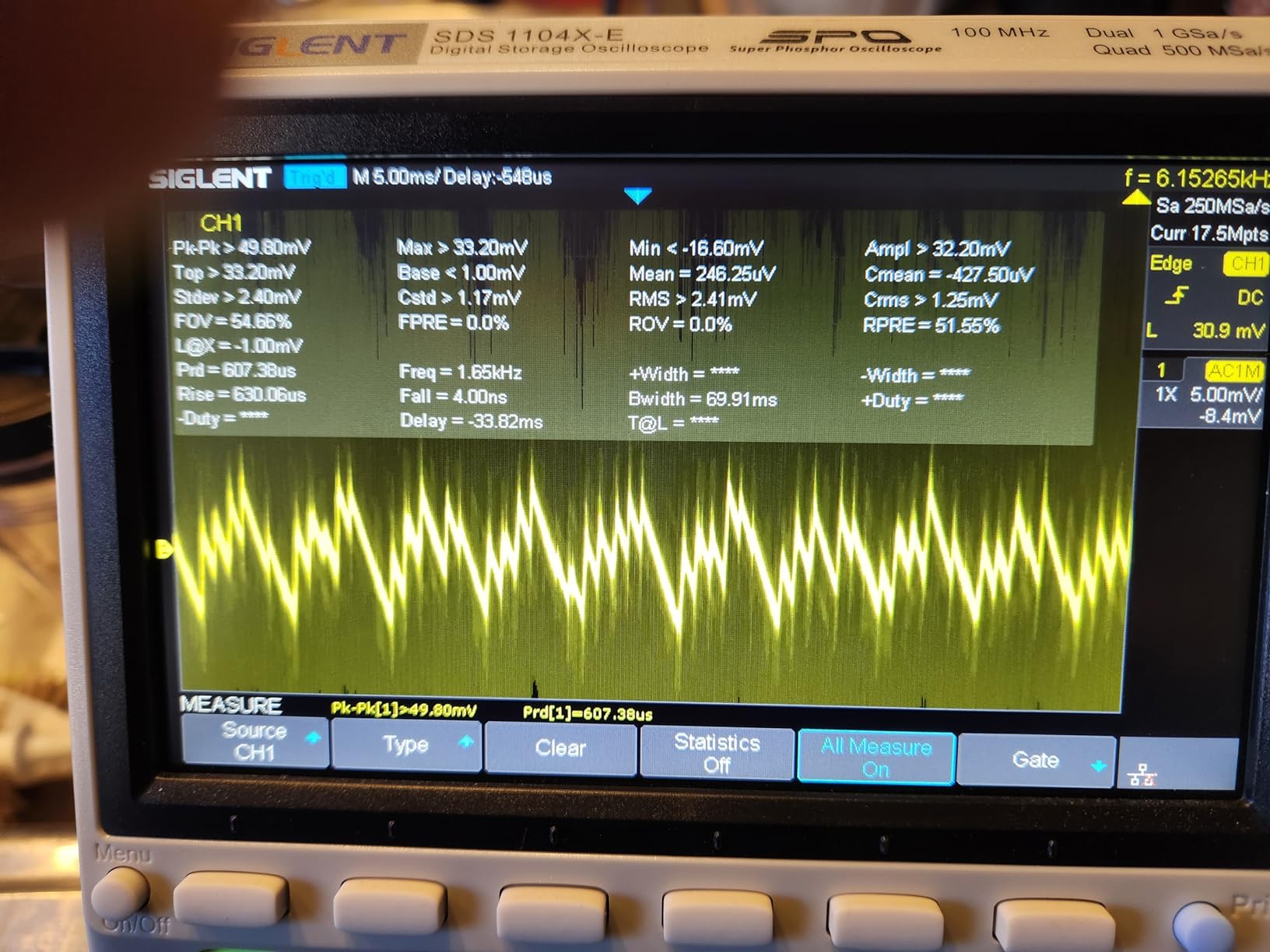
Why repair benches like this layout
Horizontal, low and shallow, it slides to the back of the bench instead of towering over it. That leaves clear working area in front for the board you have open.
The output switch plus key lock is the combination that makes first power-up of an unknown board far less stressful. You can set everything, lock it, and energise in a controlled step.
What to plan around
The power-on beep is loud and cannot be fully disabled, which is mildly irritating in a quiet room and more noticeable during late-night bench sessions.
The supplied leads terminate in screw or ring terminals rather than banana plugs, so you will likely want to re-terminate them to match the rest of your bench. A few users also report the amplitude readout as slightly imprecise against a reference meter.
8. NICE-POWER SPS-E305 – Best Budget Starter for a First Bench
NICE-POWER DC Power Supply Variable, 30V 5A Adjustable Switching Regulated Power Supply with Encoder, Upgraded 3-Digits LED Display, Electroplating DIY LED Test Mini Regulated DC Bench Power Supply
0-30V / 0-5A
150W output
Encoder digit select
1.03 kg
Pros
- Entry-level cost while still offering an encoder knob
- Very light at 1.03 kg and small enough to stow away
- Bright 3-digit back-lit display
- 100-240V universal input removes the voltage selector
- Efficient at about 175W drawn while delivering 150W
Cons
- Output is unstable below roughly 0.9V
- Cooling fan runs continuously and gets loud under load
- Only 3-digit display
The SPS-E305 is the most economical way to get a working variable bench supply, and the surprising part is what you get at that level: a per-digit encoder knob, a 3-digit back-lit LED showing 0.1V and 0.01A resolution, and five-way protection covering over-voltage, over-current, over-power, over-temperature and short circuit.
The encoder works by pressing to select a digit, then rotating to set 0 through 9. That is the same interaction style as units costing several times more, and for a beginner it is a much better experience than hunting for a small trimmer adjustment.
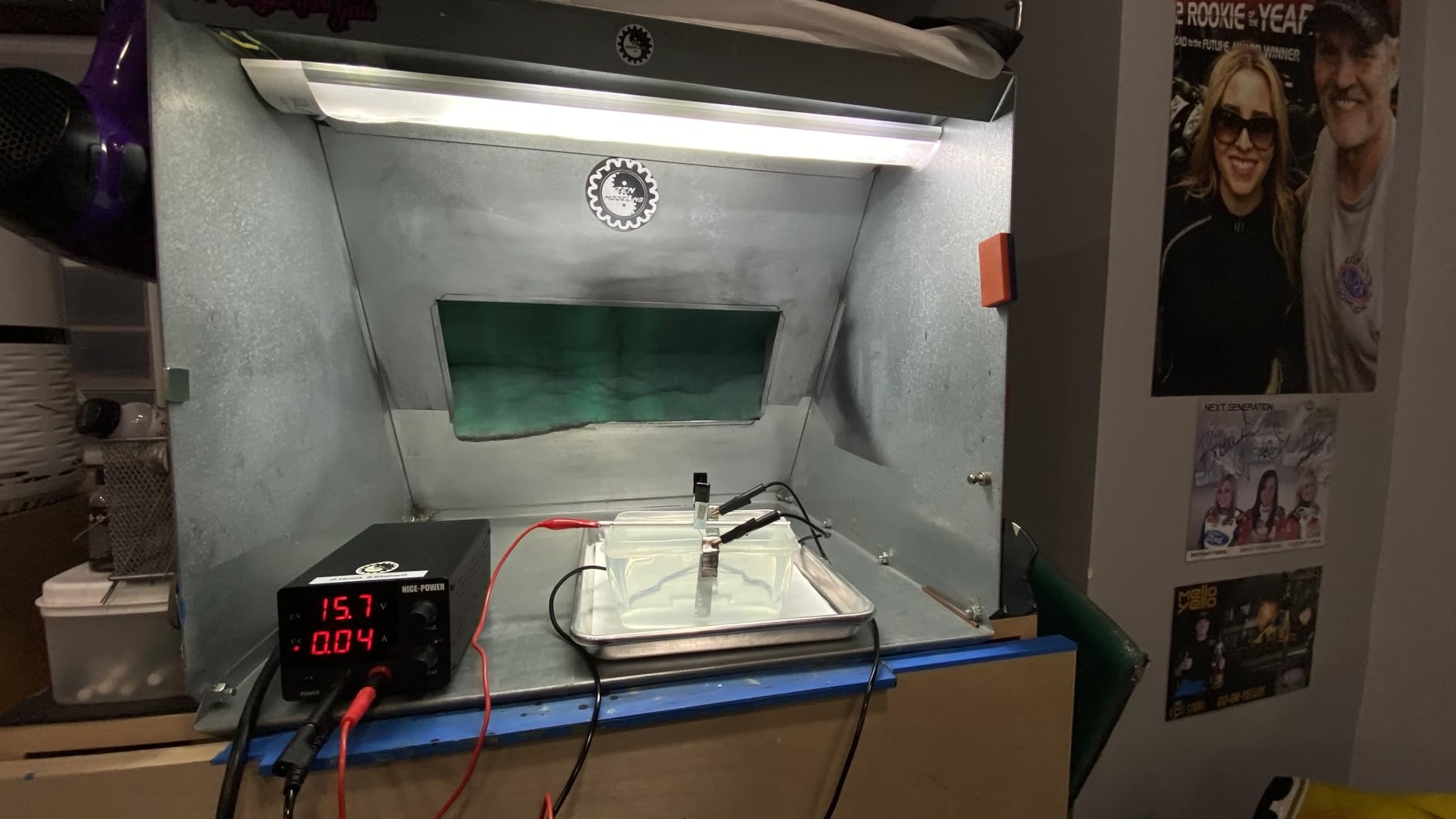
The 0-30V, 0-5A, 150W range covers a 5V logic rail, a 3.3V microcontroller, a 9V or 12V sensor and small LED circuits comfortably. 150W is the ceiling, so it is a prototype and learning supply rather than a workhorse for motors or heated beds.
Two details make it friendlier than most budget units. The 100-240V universal input means there is no manual voltage selector to get wrong, and the unit is FCC and CE certified with a 12-month repair policy. Efficiency is respectable at roughly 175W drawn while delivering 150W.
The 4.6 rating and 81% five-star share reflect how well it holds up, with reviewers consistently calling it exceptional value and confirming accurate regulation from about 3.3V upward.
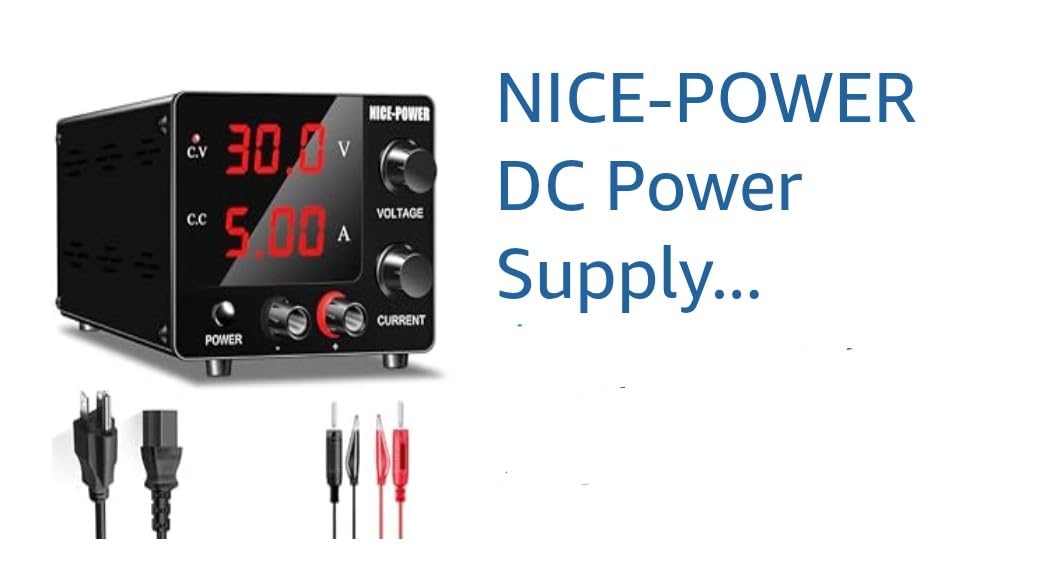
What a first-time buyer gets here
All the protection circuits that matter, at a level you would not expect. Over-current, over-voltage and short-circuit behaviour mean a wiring mistake trips the output instead of destroying a component.
At 6.5 by 4 by 3.2 inches and 1.03 kg, it is genuinely portable. It lives in a drawer between sessions and does not permanently claim bench space.
Where the low price shows
Output becomes unstable below roughly 0.9V, so it is not suitable for low-voltage calibration work where a stable sub-1V reference matters.
The cooling fan runs continuously whenever the unit is powered on, and it gets noticeably loud under sustained load. There is also a hidden fourth interface digit: after setting it you have to wind the knob back to zero before the next adjustment. Expect three digits of display, not four.
9. Jesverty SPS-3010V – Best High-Current Unit with the Cleanest Controls
Jesverty DC Power Supply Variable, 0-32V 0-10A Switching Bench Power Supply with 20W USB & Type-C Quick-Charge, Encoder Corase & Fine Adjustment Knob, Output Switch, 4-Digit LED Display – SPS-3010V
0-32V / 0-10A
320W output
Split coarse and fine encoders
1.53 kg
Pros
- Highest rating among the 30V-class high-current supplies here
- Split coarse and fine encoder knobs at 0.01V and 0.001A
- 32V ceiling gives extra headroom over 30V
- USB-A and USB-C ports both at 20W fast charging
- Compact body at roughly 2.5 pounds
Cons
- Switching topology carries more ripple than a linear supply
- Supplied test leads are described as give-away quality
- Front USB ports charge devices and do not control the instrument
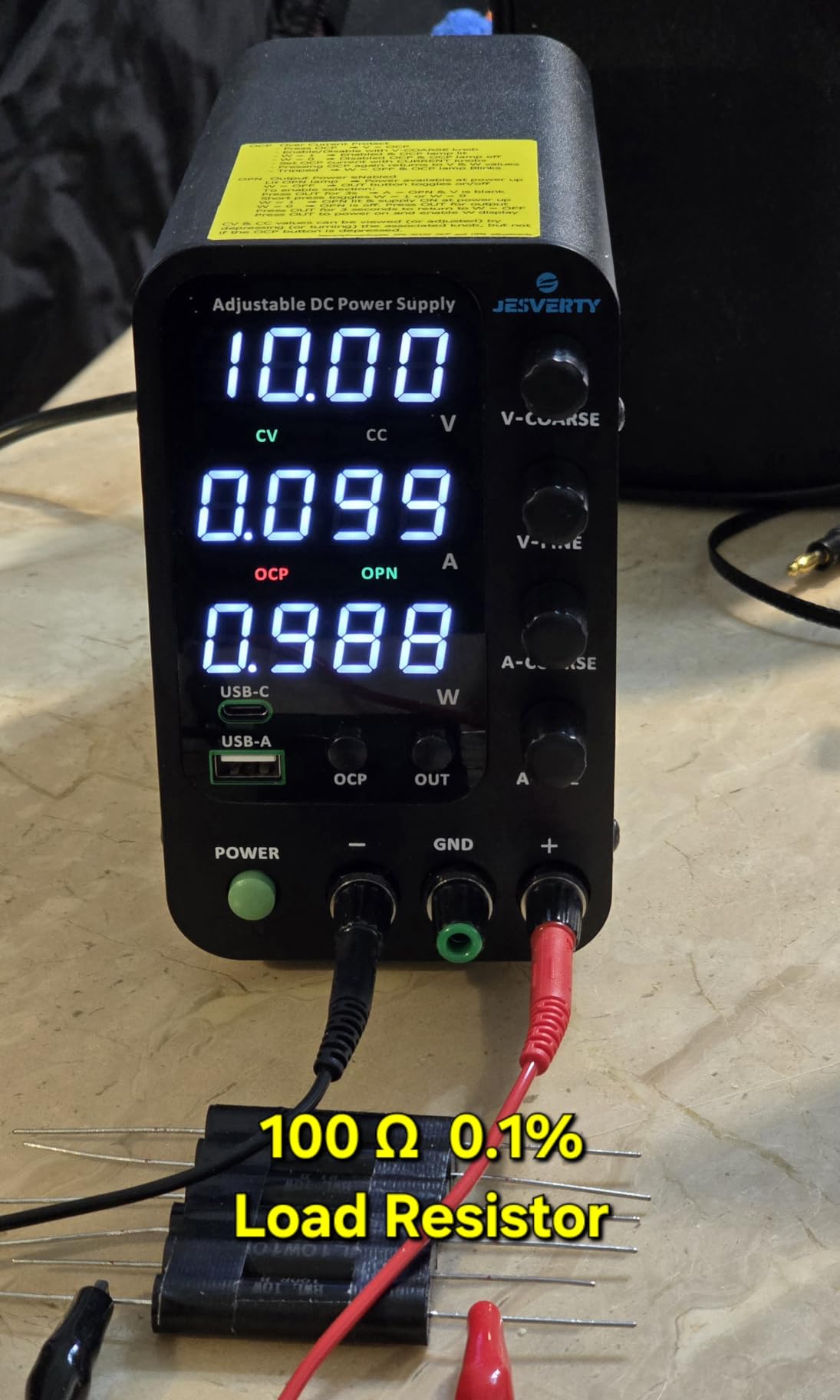
The SPS-3010V is the SPS-3010 refined, and the refinement is in the controls. Instead of one encoder or a pair of pots, it has dedicated coarse and fine encoders: the coarse one sets the value before the decimal point, the fine one sets what follows it. Resolution reaches 0.01V and 0.001A, and you can set 12.34V directly rather than creeping toward it.
It also runs to 32V rather than 30V, giving 320W instead of 300W. That extra headroom is small but genuinely useful when you need to test a 24V rail plus margin, or push a 24V motor at its upper speed range.
Both front USB-A and USB-C ports deliver 20W fast charging, which turns the front panel into a small charging station for a phone or a small battery pack. Note that these are for device charging, not for instrument control, so do not expect to script this unit over USB.
Safety and workflow features are handled well. There is an output ON/OFF button for safe load changes, plus an OPN setting that lets the unit power on and start outputting without pressing the OUTPUT button, useful when you want a repeatable power sequence. OCP handles over-current and the cooling fan is temperature regulated rather than always on. AC input is selectable between 115V and 230V.
The 4.6 rating and 83% five-star share make this the largest five-star share of any product in the roundup, and the 857 reviews behind it are among the highest counts in this roundup. Reviewers favour the dual encoder layout, the 32V headroom and the USB-C fast charging, with ripple and the basic included leads as the standard caveats.
When 32V and finer control matter
24V systems. A 24V motor, a 24V LED run or a 24V rail all benefit from being able to overshoot past the nominal voltage for margin during testing, and from setting precise values without drift.
The split encoder also just makes daily work faster. Setting a known test point takes one press and one turn per digit rather than a long fine-trim.
Where it stops short
Switching topology means more ripple than a linear supply, so it is not the choice for a low-noise analog front end. For that, the linear units in this list serve better.
The supplied test leads are again described as give-away quality, and the front USB ports will not control the instrument. A 1.53 kg body at 7.09 by 3.35 by 6.1 inches is compact for the power it delivers.
10. NANKADF 30V 10A – Best for Accuracy Below 15V and Silent Running
DC Power Supply Variable, Bench Power Supply with Encoder Adjustment Knob, Output Enable/Disable Button, Adjustable Power Supplies with USB Quick-Charge, Short Circuit Alam (30V 10A Black)
0-30V / 0-10A
300W output
Encoder with digit select
1.48 kg
Pros
- Dead-on accuracy below 15V and within 0.005V at higher voltages
- Output enable button plus over-current alarm protect boards
- Silent in continuous use
- Retains voltage and current-limit settings when unplugged
- 18W front USB fast-charging port
Cons
- Encoder returns to the third digit about five seconds after setting the fourth
- Slow voltage ramp-down when lowering the setpoint
- No lead storage which leaves bench clutter
With 1166 reviews, this is one of the two most heavily reviewed units in the roundup, and the reports converge on one thing: measurement accuracy. Owners comparing it against a reference multimeter describe dead-on readings below 15V and staying within 0.005V at higher voltages. For a supply whose job is to be a known reference for your circuit, that is the number that matters.
It is also genuinely quiet. Reports of silent running over extended periods, including one owner running it for ten days straight, come up repeatedly. At 1.48 kg and 7.87 inches across, it is another of the compact bodies that leave the bench usable.
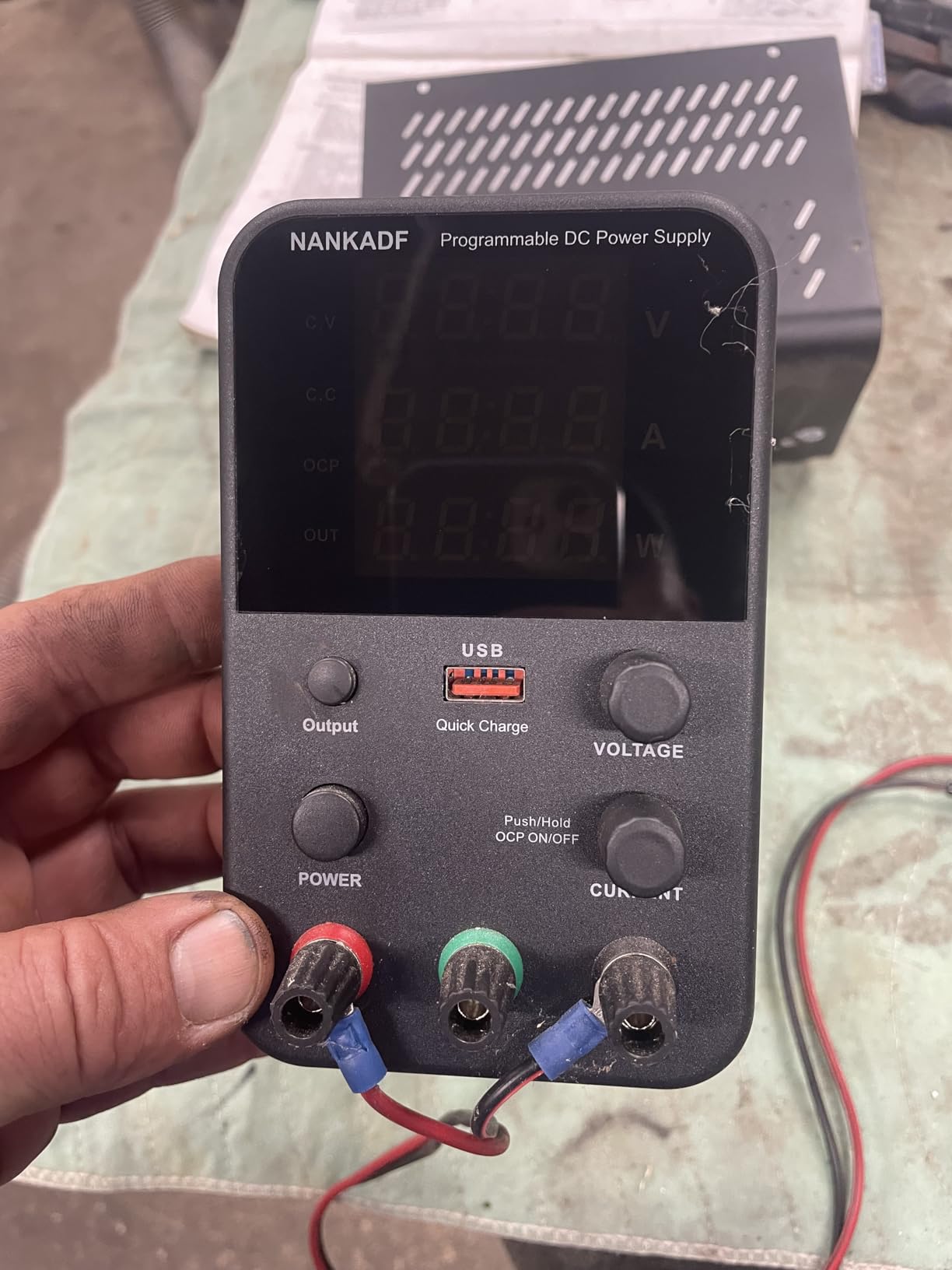
The 0-30V, 0-10A, 300W range is the same as the Jesverty SPS-3010, and the protections are comparable. Over-current protection shuts the output down and sounds a buzzer on a short circuit, automatic constant-voltage and constant-current switching has an on-screen status indicator, and the 4-digit display reads to 0.01V and 0.001A with adjustable brightness.
Two workflow details stand out. The output enable and disable button stops you leaving output on when you walk away, and the supply retains your voltage and current-limit settings through unplugging, so you do not re-dial after moving it or after a power cut.
Its 81% five-star share reflects a well-regarded unit, and the strongest recurring praise is for measurement accuracy checked against a reference meter, protective behaviour on short circuits, silent running and setting retention.
Why accuracy is the reason to pick it
When you are establishing what a circuit should draw at a given voltage, a supply that reads slightly high sends you chasing a fault that is not there. Verified accuracy removes that whole category of wasted time.
Setting retention is quietly excellent. Rearranging a bench or unplugging to reconfigure mains does not cost you your settings, which is a small thing that gets appreciated daily.
The quirks to know about
The encoder has a behaviour that catches people out: after you set the fourth digit, it defaults back to the third digit about five seconds later. It is not a fault, but it changes the rhythm of a set operation until you are used to it.
Voltage ramp-down is slow when you lower the setpoint or switch the output off, so do not judge the reading in the seconds immediately after a change. There is also no built-in storage or hanger for the test leads, and the front USB port is not metered.
How to Choose a Bench Power Supply in 2026
The fastest way to pick the wrong bench power supply is to buy on wattage alone. Work through these five decisions in order and the right model falls out of the process. If you only have time for one, start with the sizing step, because a supply that cannot deliver enough current is the only mistake you cannot work around later.
1. Size it from your load, not from the box
Write down the highest voltage your circuit needs and the highest current it draws, then add margin to both. Most hobby projects fit comfortably inside 0-30V and 0-5A. Anything involving a 3D printer bed, a motor, a heated circuit or a bank of LED strips pushes toward the 10A class, and that is exactly the gap between the 5A models and the 10A models in this list.
Two worked examples. An ESP32 development board running Wi-Fi peaks near 500mA at 3.3V, so a 5V, 1A setting on any 30V/5A supply is comfortable. A 12V LED strip drawing 3A, or a 12V motor rated 8A, needs a 30V/10A supply; a 5A unit will sit in constant current and the voltage will sag below the strip’s operating point.
Headroom beyond what you need today is fine. Owning a 300W supply for a 60W project is not a problem, and it is a common question in forum threads about whether oversized supplies behave badly. They do not, provided the current limit is set to a sensible value before you connect anything. What you should avoid is running near the maximum power rating continuously, because a linear supply at its ceiling is a very hot supply.
One sizing detail that catches beginners: large electrolytic capacitors draw a large inrush spike at switch-on. If your load has a big bulk capacitor across the rail, leave extra current headroom so the supply does not fold its voltage back momentarily when you energise it.
2. Linear or switching, and which circuits care
Linear supplies put a series pass element between the raw DC and your output. That element burns off the difference between input and set voltage as heat, which costs efficiency but leaves a very low noise floor. Switching supplies use a high-frequency converter and filter the result, which is efficient, compact and cool, but leaves more ripple on the output.
Which circuits care: RF and low-level analog front ends, audio amplification, op-amp signal chains and precision reference rails want a linear supply, because ripple lands inside the signal path. Microcontroller boards, relay drivers, LED strings, motors, hobby 3D printer beds and general bench work do not care at all, and there a switching unit gives you more current, less heat and a smaller box for the same money.
The practical answer for most hobby benches is that you end up with both eventually, and plenty of owners keep a cheap switching supply for LED and motor work alongside a linear supply for analog. If you are buying one unit and your projects are mixed, a switching supply is the safer default; buy a linear unit only if you know your circuits are noise-sensitive.
3. Protection, current limiting and the output switch
Every supply here has short-circuit and over-current behaviour of some kind, and that is the feature that protects a board during a first power-up. Set the current limit to roughly double the expected operating current, connect with the output disabled, then enable and watch the reading rather than assuming.
Over-voltage protection is the one to check for on a programmable unit. A unit with adjustable over-voltage thresholds, like the Kiprim in this list, lets you set a hard ceiling that the output will not cross, which is a real guard rail on a rail that powers a microcontroller.
Do not overlook the output on and off button. It is a recurring request in hobbyist forums and it matters more than it sounds: it lets you wire and unwire a circuit while the output is de-energised, instead of dragging live terminals around. It also makes it easy to de-energise a board quickly when a component starts to smell.
Constant-voltage and constant-current modes are the two states the supply lives in. Constant voltage is normal running. Constant current means the load is asking for more than you allowed, and the voltage falls until the draw matches your limit. Understanding that transition is what makes the display useful rather than decorative.
4. Channels, isolation and the grounding question
One channel is fine for most single-rail work. Two channels let you run 5V and 12V at the same time, or split a supply positive and negative for a bipolar circuit. Three channels add a dedicated low-voltage rail for logic alongside two adjustable ones.
Isolation is the feature that costs the most and matters most in analog work. A supply with isolated channels does not tie one output’s negative to another’s, so you can wire channels in series to build a split or bipolar supply. On a single-rail unit with one common ground, the same circuit is not possible without adding a separate supply or a differential input. If your work involves op-amp rails, this is the single most important specification to check before buying.
Related: do not assume two cheap supplies have common grounds. A typical bench supply ties its output ground to the protective earth of the mains inlet, so connecting two of them together can create an unintended loop or a short between channels. Either use one supply with isolated channels, or check the manual and use the correct isolated arrangement.
5. Ripple, controls and the rest of the bench
Ripple and noise are usually quoted in millivolts root-mean-square. As a rough guide, under about 2 mVrms is fine for audio and precision analog, under 5 mVrms is comfortable for general analog and microcontroller work, and under about 20 mVrms is fine for motors, relays, LED drivers and heaters. If a listing does not quote a figure, treat it as unverified and check the model on a scope if noise matters to your circuit.
Controls matter more than people expect for daily use. Potentiometers need care to hit an exact value. An encoder with per-digit selection lets you set 3.30V directly, and a split coarse and fine encoder is faster still. Four-digit displays beat three-digit displays, and a colour LCD with a curve display is a large step up for anything that runs over time.
Finally, physical and practical details: footprint and weight decide whether the supply stays on the bench or gets pushed to the back and forgotten, cooling fan noise decides whether you can work quietly in the evening, an output on and off button improves your workflow, USB and Ethernet connectivity with an SCPI command set matters only if you plan to script it, and warranty length is a rough quality signal worth comparing.
Frequently Asked Questions
What is the best benchtop power supply for hobbyists?
The Jesverty SPS-3010 is the best all-round bench power supply for hobby electronics. It covers 0-30V and 0-10A at 300W, shows live voltage, current and power on a 4-digit display, and switches automatically between constant-voltage and constant-current mode. For low-noise analog work, a linear supply such as the Tekpower TP3005T or the KORAD KD3005D is the better choice.
How do I choose the right bench power supply?
Start from your load: write down the highest voltage and current your circuit needs and add margin. Then decide linear or switching based on whether ripple lands inside your signal path. Next check protection features, especially current limiting, over-voltage protection and an output on and off button. Finally consider channel count and isolation, controls, ripple specification, footprint and connectivity.
Why do I need a current limit on a bench power supply?
Because it caps the damage a wiring mistake can do. Set the current limit slightly above the current your circuit normally draws, connect it, and if the load shorts or a component fails, the supply drops into constant-current mode and stops pushing power instead of delivering unlimited current. Set the limit before you power a board for the first time, and use the output on and off switch so you can wire the circuit de-energised.
How much voltage ripple is acceptable?
Under about 2 mVrms suits audio, RF and precision analog work. Under 5 mVrms is comfortable for general analog and microcontroller circuits. Under 20 mVrms is fine for motors, relays, LED drivers and heated loads, where the supply is delivering power rather than a reference. Linear supplies sit at the low end of these figures, switching units at the high end.
Do I need a bench power supply as a beginner?
Yes, and it is usually the first tool that changes how you work. It lets you set a safe current ceiling before powering a prototype, so a short or a reversed connection trips the output instead of destroying a component. It also gives you live voltage and current readings, which tells you immediately whether a device that seems dead is actually a power problem.
Can I use a bench power supply to charge a battery?
It depends on the supply. A fixed 13.8V supply such as the Pyramid PS14KX.5 suits lead-acid and gel cells, since 13.8V is a 12V cell at full charge. Charging a lithium pack safely needs a proper charger with cell balancing rather than a plain variable supply. Always set a current limit before connecting, and confirm the charge algorithm matches the chemistry.
Which Bench Power Supply Should You Buy?
The Jesverty SPS-3010 is the best bench power supply for hobby electronics in 2026 for most benches, and it is the one we would buy first. It handles 0-30V at 10A, shows you real-time voltage, current and power, and its 1664 reviews make it the most proven unit in this list. If your circuits are noise-sensitive, swap it for the KORAD KD3005D or the Tekpower TP3005T, both of which regulate linearly.
Go further only when a specific job demands it. Reach for the Kiprim DC310S when you want to script your tests, the Siglent SPD3303X-E when you genuinely need three isolated rails for op-amp and mixed-signal work, the NANKADF when verified measurement accuracy below 15V is the priority, and the Pyramid PS14KX.5 when your bench is dedicated to 13.8V radio and mobile gear. Whatever you choose, set the current limit before you connect anything.