
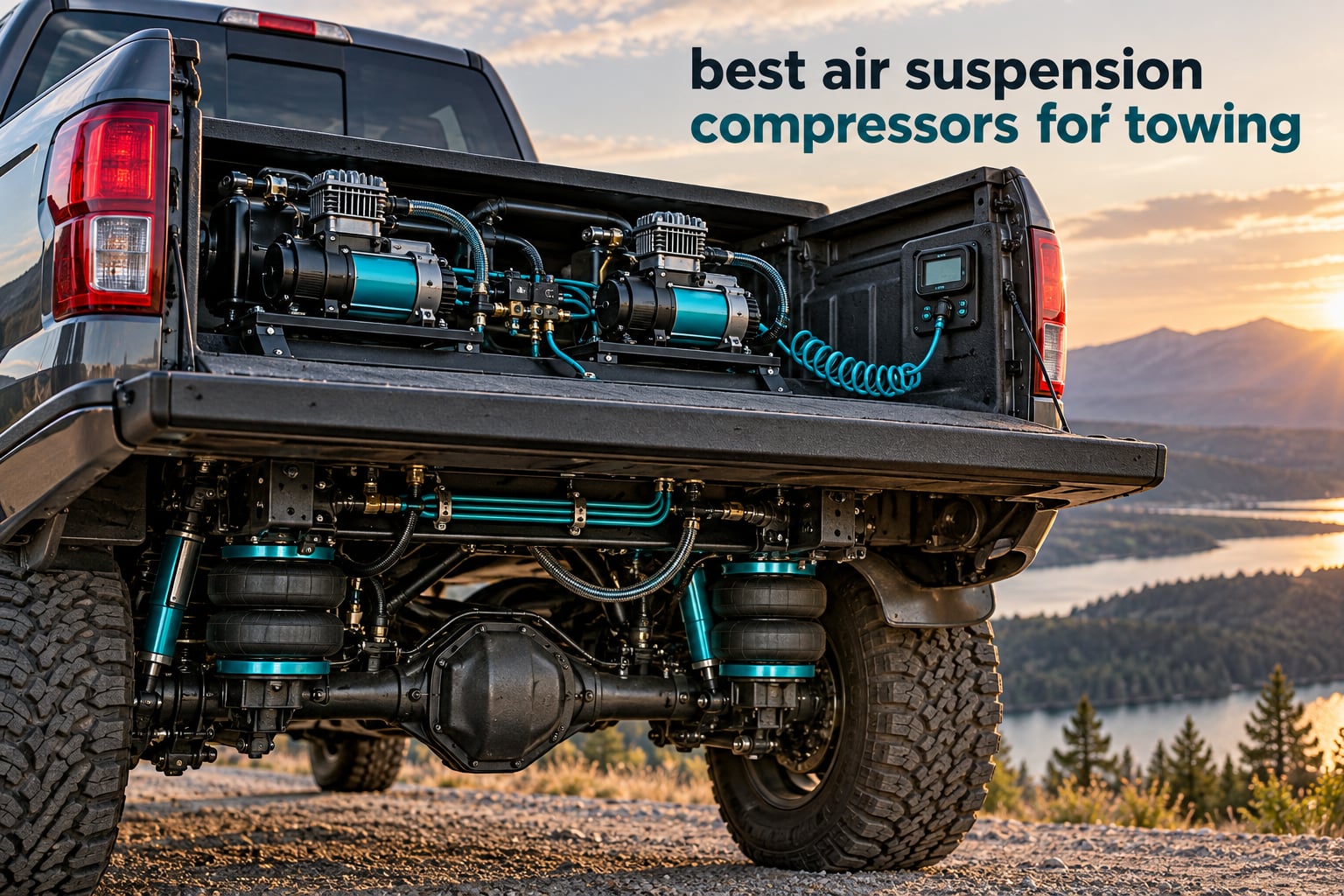
Towing changes how a truck behaves. The rear end squats, the ride height drops, and the trailer pushes back through the hitch in ways you feel more than see. Air helper springs fix that, and the onboard air compressor is the piece that makes the whole system usable. Picking the wrong compressor is the fastest way to end up with bags you cannot fill fast enough or a control you have to reach under the seat to reach. Here is our full rundown of the best air suspension compressors for towing in 2026, based on the spec sheets, the owner feedback and the failure patterns we could verify across the range.
We went through ten onboard systems, from entry-level single-path kits to dual-pump packages built for continuous duty. The list deliberately mixes purpose-built air bag compressors with general onboard air sources, because plenty of tow rigs end up running both air bags and air horns off the same pump. For each one we looked at max pressure, airflow in CFM, duty cycle, how the driver controls it, how much hardware actually ships in the box, and what owners say after living with it.
The short version: most people towing a travel trailer under 5000 pounds never need more than a 100 PSI single-path kit with an in-cab gauge. If you are running a fifth wheel, a dual-axle, or you want air horns on the same system, jump to the dual-pump entries later in this list. And if your truck still has its factory air suspension working, read the Dorman section first, because replacing a dead OE pump is a different job than building a new system.
One thing to clear up early. Air bags do not replace a weight distribution hitch, and they do not fix a overloaded truck. They add support proportional to the pressure you set, and the right number changes with every load. Get that number wrong and a stiff rear ride is the least of your problems.
Table of Contents
Top 3 Picks for the Best Air Suspension Compressors for Towing (October 2026)
Three systems stood out above the rest. The Air Lift WirelessONE wins on control convenience and the deepest owner base in this group. The VIAIR 444C dual pair wins on verified longevity and airflow. The Air Lift 25804 wins on install simplicity for anyone who has never wired an air system before.

Air Lift 25980EZ WirelessONE
- Wireless handheld controller and mobile app
- 120 PSI 12V compressor
- Factory-assembled EZ Mount bracket
- Three programmable presets

VIAIR 444C Dual Compressor…
- Two pumps in one pack
- 3.53 CFM combined free flow
- 200 PSI max
- 100 percent duty cycle at 100 PSI
Air Lift 25804 Controller Kit
- Dash gauge and switch in the cab
- On-board compressor included
- Universal connector for air shocks
- Full hardware and air line included
Quick Overview: Every Compressor in This Roundup at a Glance (October 2026)
All ten systems, side by side. The table below is the fastest way to narrow the field before you read the individual reviews.
| Product | Specs | Action |
|---|---|---|
| Air Lift 25980EZ WirelessONE |
|
Check Latest Price |
| Air Lift 25804 Controller Kit |
|
Check Latest Price |
 Dorman 949-099 OE Compressor Dorman 949-099 OE Compressor |
|
Check Latest Price |
 Air Lift Load Controller II Air Lift Load Controller II |
|
Check Latest Price |
 maXpeedingrods Air Spring Kit maXpeedingrods Air Spring Kit |
|
Check Latest Price |
 Vixen Horns VXC8301 Vixen Horns VXC8301 |
|
Check Latest Price |
| VIAIR 444C Dual Pair |
|
Check Latest Price |
 RETRUE Universal Air Bag Kit RETRUE Universal Air Bag Kit |
|
Check Latest Price |
 VIAIR 20008 Air Source Kit VIAIR 20008 Air Source Kit |
|
Check Latest Price |
 VIAIR 485C Dual Gen 2 Pair VIAIR 485C Dual Gen 2 Pair |
|
Check Latest Price |
How We Picked: What We Looked For and Why It Matters
Every product here was scored against the same four criteria, and those four criteria are what separate a compressor that works for towing from one that frustrates you in a parking lot.
Airflow and duty cycle. CFM tells you how fast air actually moves, and duty cycle tells you how long it can run before it overheats. A single small pump can inflate one pair of air bags. It may struggle when you also want to fill tires, run horns, or recover after a long climb with a heavy trailer. We weighted sustained flow above peak pressure, because air bags rarely need more than 100 PSI while horns and tire fills do.
Control access. If you have to crouch behind the truck to add air at a weigh station, the system is doing you no favors. Dash switches, dash gauges and wireless controllers all solve the same problem, and we rated them on clarity rather than features.
Completeness of the kit. A compressor without an air line, a T-fitting, a manifold or a proper gauge is not a kit, it is a component. Several entries here ship complete. Several others quietly make you source fittings separately, and that is a real cost in time on install day.
Verified longevity. Review volume matters when you are judging durability. A system with a few hundred ratings tells you less about a five-year ownership experience than one with nearly two thousand. Where owners reported early failures, we say so plainly rather than burying it.
We also read across owner forums for the recurring complaints, because the failure modes do not show up on spec sheets. The most common one by a distance: air that drops off a few PSI over bumps or during temperature swings, which points at a pressure switch or a sensor set too tight rather than a bad pump.
1. Air Lift 25980EZ WirelessONE – Best Overall for Towing
Air Lift 25980EZ WirelessONE On-Board Air Compressor System with EZ Mount
Max 120 PSI
Alloy steel construction
2 gallon tank
2 year limited warranty
Pros
- Wireless handheld controller plus mobile app
- Single-path even inflation of both bags
- 120 PSI rated for towing and hauling
- Factory-assembled EZ Mount cuts install time
- Three programmable presets on the LCD controller
Cons
- 90 dB rated noise level is the loudest here
- Costs more than the other air bag systems here
- Single-path design cannot run two separate pressures
This is the system I keep coming back to for a reason. The compressor itself is unremarkable on paper, a 120 PSI 12V unit in a 2 gallon tank configuration, but the control story changes how you use it. You set pressure from the driver’s seat with the handheld controller or the phone app, and you can save three presets so the unloaded, half-loaded and fully-loaded settings are one press away instead of a guess every time you hitch up.
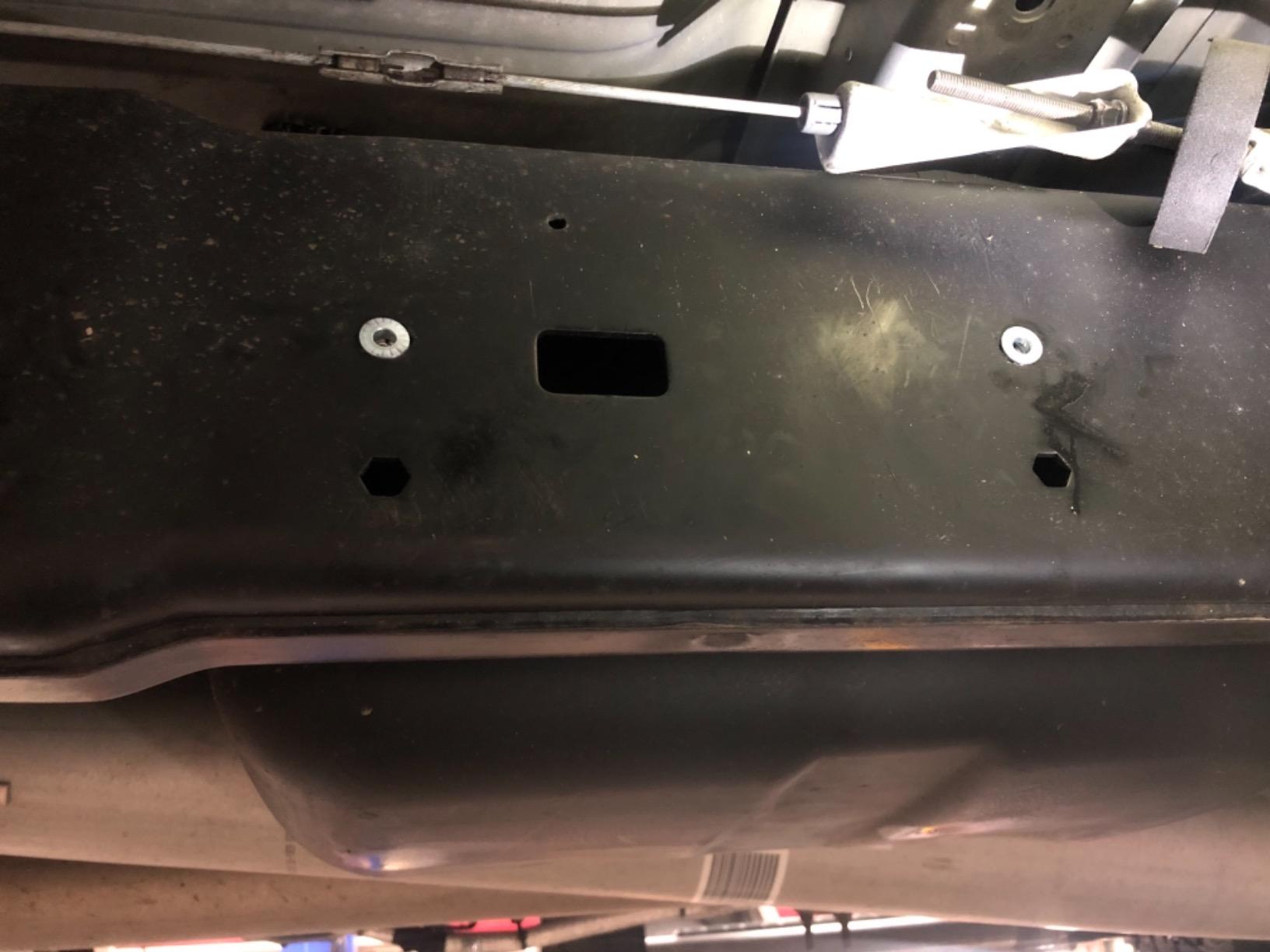
Owners across the truck forums we scanned consistently describe the same experience: remote adjustment from the cab, bags that fill evenly on both sides, and an install that took less time than expected. The EZ Mount bracket is the quiet hero here. It arrives factory assembled on a powder-coated steel bracket, so you are bolting a complete unit to the frame instead of fabricating a mount at midnight.
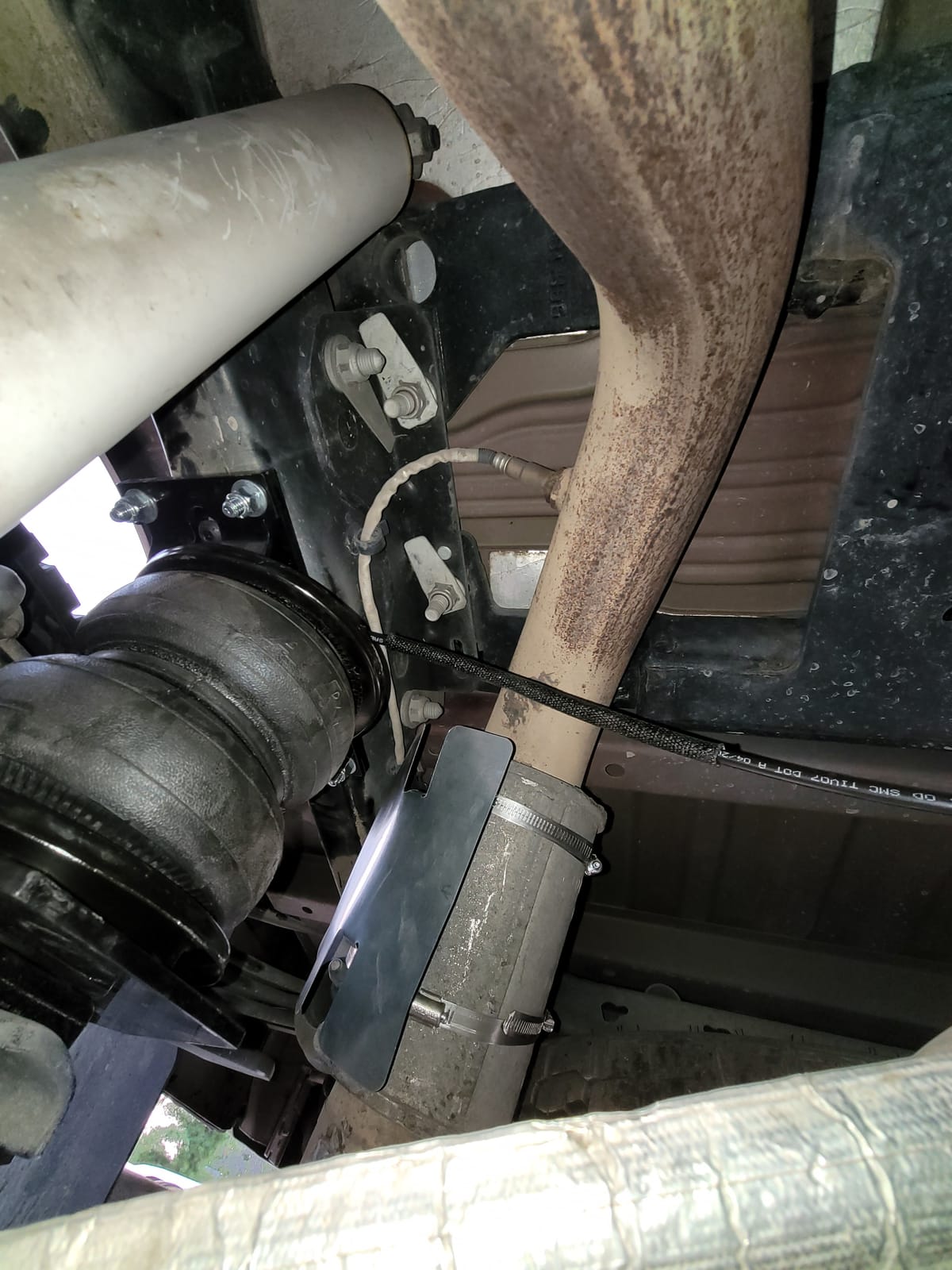
For towing duty, the single-path design is the right call. Both air springs inflate and deflate at the same rate, which means the rear stays level rather than twisting when you are loaded asymmetrically. A dual-path system would let you dial each side separately, which matters for a heavily uneven load and is rarely worth the extra complexity on a truck that pulls straight.
The honest weakness is noise. At 90 dB rated, this is the loudest unit in the group, and owners who mounted it near the cab mention hearing it on the highway. Owners who mounted it under the chassis or in the bed do not raise the same complaint. Mounting location solves most of what the decibel number suggests.
What PSI to run when you tow with it
The preset system is the point, so treat the three presets as load steps rather than as a fixed target. Set preset one to your unloaded height, preset two to your tongue-weight condition, preset three to full payload plus trailer. If you tow in winter, add a margin on preset three, because air contracts as temperature drops and a bag that looked correct in a warm driveway is a soft bag at minus 20 degrees.
Where it falls short for towing
It is not a tank system, so there is no reserve air sitting in the vehicle when you want to fill a trailer tire on the shoulder of a mountain pass. Air horns on the same circuit are also not the intended use. And at 120 PSI the compressor has less headroom than a 200 PSI dual-pump setup, which matters if your bags are oversized or you plan to add a second accessory circuit later.
If you want a single compressor that covers air bags, air horns and tire inflation from one box, the Air Lift 25804 below is the more honest fit for the money.
2. Air Lift 25804 Controller Kit – Easiest Install for First Timers
Air Lift Air Shock Controller Air Compressor and Pressure Gauge – 25804
10 to 200 PSI dash gauge
In-cab inflate and deflate switch
3.7 pound unit
2 year limited warranty
Pros
- Everything needed for the install ships in the box
- Pumps from zero to max in under 30 seconds
- Draws about 15 amps so a single relay handles it
- Dash gauge and switch give in-cab control
- Universal connector works with most air shocks
Cons
- Gauge reads 10 to 200 PSI
- far above the air bag range
- Panel styling looks dated on a modern dash
- Backlight wiring is not covered in the instructions
- Only one T-coupler included
- Supplied air line can chafe under the chassis
Most of the confusion around air suspension installs is plumbing, not electricity. This kit removes that problem. You get the compressor, the dash gauge panel, the switch, the hardware and the air line in one box, and the universal connector fits most air shocks including factory-installed ones. Owners report a pump cycle from zero to maximum in under 30 seconds and a draw of roughly 15 amps, which is a friendly number when you are running it off a dedicated relay.
It was designed for air shocks, not air bags, and owners who used it for bags anyway report it works well for the job. The dash gauge and the switch let you add air at the truck stop before you get to the trailer, which is exactly what you need when the rear sags as the tongue weight comes on.
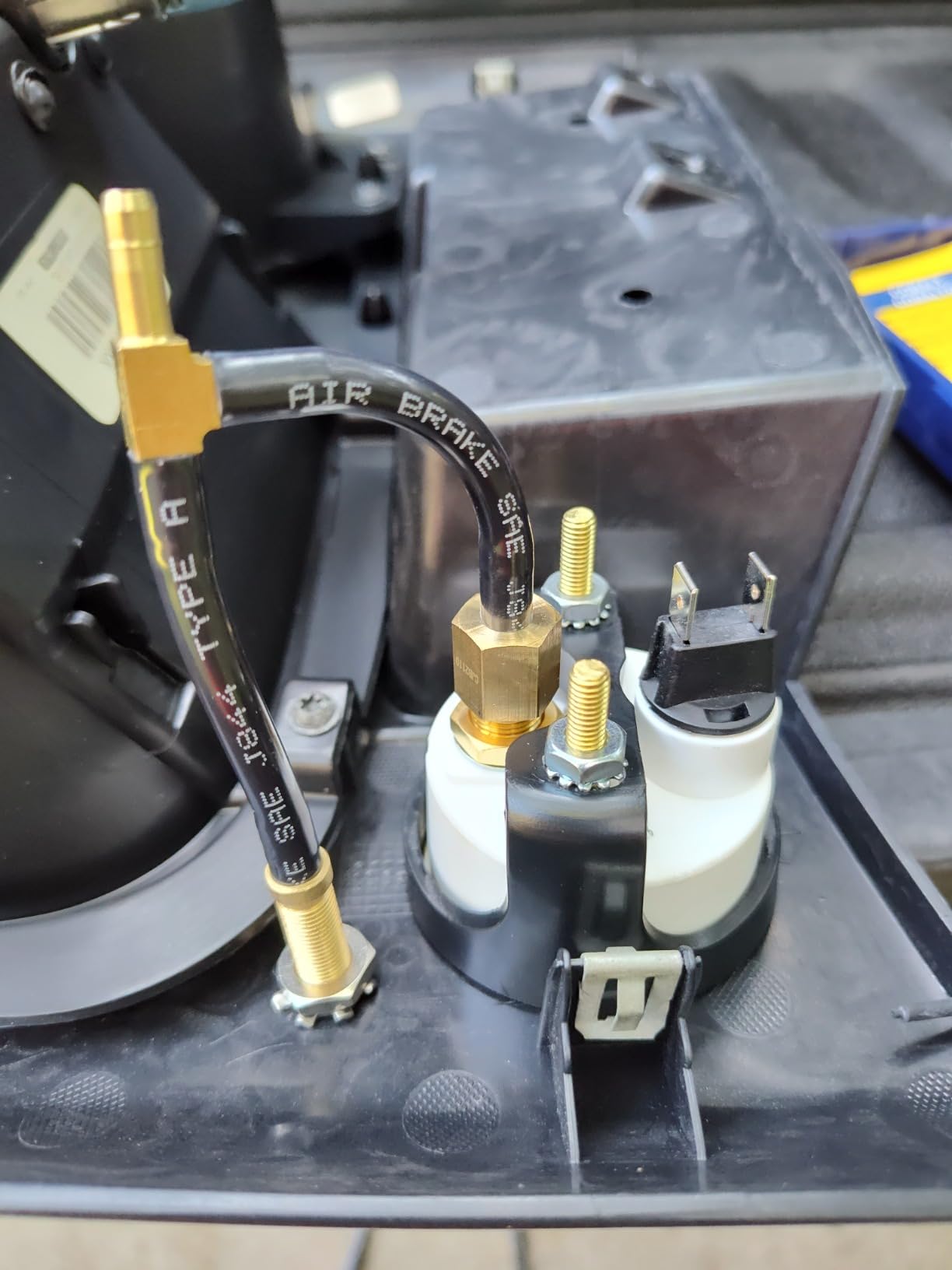
There is one real specification problem. The gauge scale runs from 10 to 200 PSI, and air bags typically live between 5 and 35 PSI. That means you are reading a needle in the bottom tenth of the dial, where it is hardest to see a one-PSI change. Owners who live with it learn the feel, but anyone trying to fine-tune pressure by eye is guessing.
The panel itself also looks dated against a modern dashboard, which matters more than it sounds if you care how the interior looks. Two smaller install notes: the instructions do not cover backlight wiring, and the supplied air line will chafe against the frame on a rough tow rig unless you sleeve or loom it.
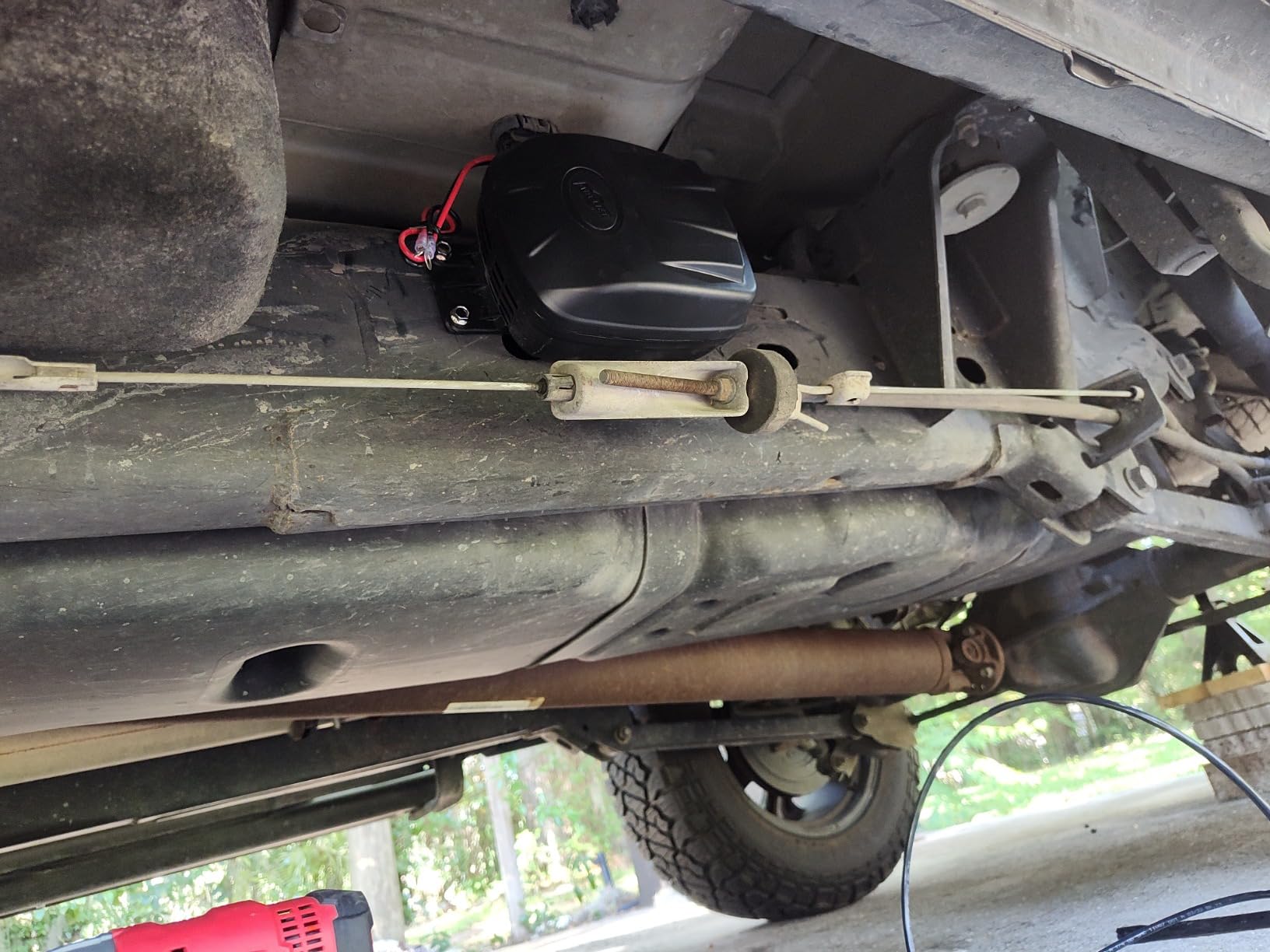
How to install it without a second trip for parts
Budget for one extra T-coupler before you start. Only one ships with the kit, and a dual-axle or dual-bag setup generally needs a second one. Route the line along the frame rail and wrap it in split loom where it passes brackets or through crossmembers, and secure it with P-clips every 12 inches or so. Plan the relay location before you run wire, not after.
When to pick something else
Skip this one if you tow heavy enough to need more than 35 PSI in the bags, if you want precise one-PSI adjustment, or if you plan to run air horns off the same system. A 200 PSI gauge simply cannot give you the resolution air bag pressure work needs. It is also a single-path design, so both sides always move together.
3. Dorman 949-099 – Best for Replacing a Factory Air Compressor
Dorman 949-099 Suspension Air Compressor Compatible with Select Cadillac / Chevrolet / GMC Models (OE FIX)
5 CFM air flow
12 volt aluminum housing
Sound isolation shielding
Limited lifetime warranty
Pros
- True plug and play fit with the OEM connector
- Install reported in about 20 minutes
- Markedly quieter than the worn pump it replaces
- Thermal protection switch stops the pump on a leak
- Complete kit includes brackets
- dryer and filter box
Cons
- Vehicle specific
- it is not a universal towing compressor
- Instructions are minimal for the install
- Supplied hose connectors are not stainless steel
- Noise level rises on a minority of pumps over time
This one solves a different problem, and if you own a GM truck or SUV that still has working factory air-assisted shocks, it may be the only entry on this list you need. It is an OE replacement compressor, not a towing system. It does not have a gauge, it does not have a control, and it will not inflate air bags you installed yourself.
What it does have is 5 CFM of airflow, which is more than several of the dedicated air bag kits in this roundup, plus a thermal protection feature that cuts the pump if a leak causes it to run continuously. Owners replacing a tired 15-year-old OEM pump report a dramatic noise improvement and an install time of roughly 20 minutes with the factory connector.
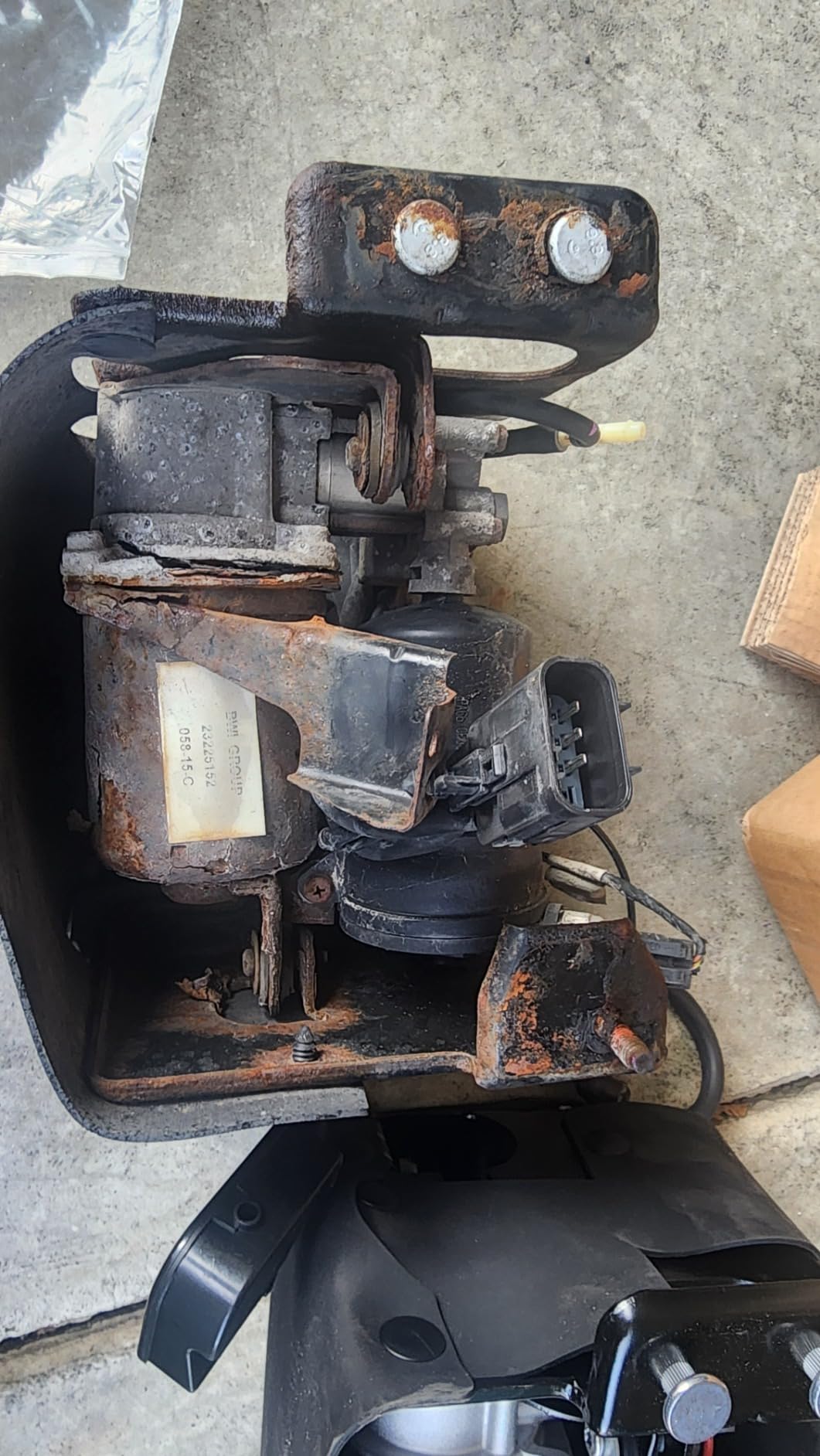
The fitment is the catch. This is designed for specific Cadillac, Chevrolet and GMC platforms in a particular year range, and you need to confirm your vehicle in the listing before you buy. Owners on Tahoe, Yukon XL, Suburban and Escalade platforms report clean fitment, but if your air suspension has already been deleted or replaced with coils, this is the wrong purchase no matter how good the pump is.
Two install notes. The instructions are minimal, so if you have never replaced one, budget extra time. And several owners substitute stainless OEM fittings for the supplied hose connectors, which is a reasonable upgrade given what a compressor sees under a truck.
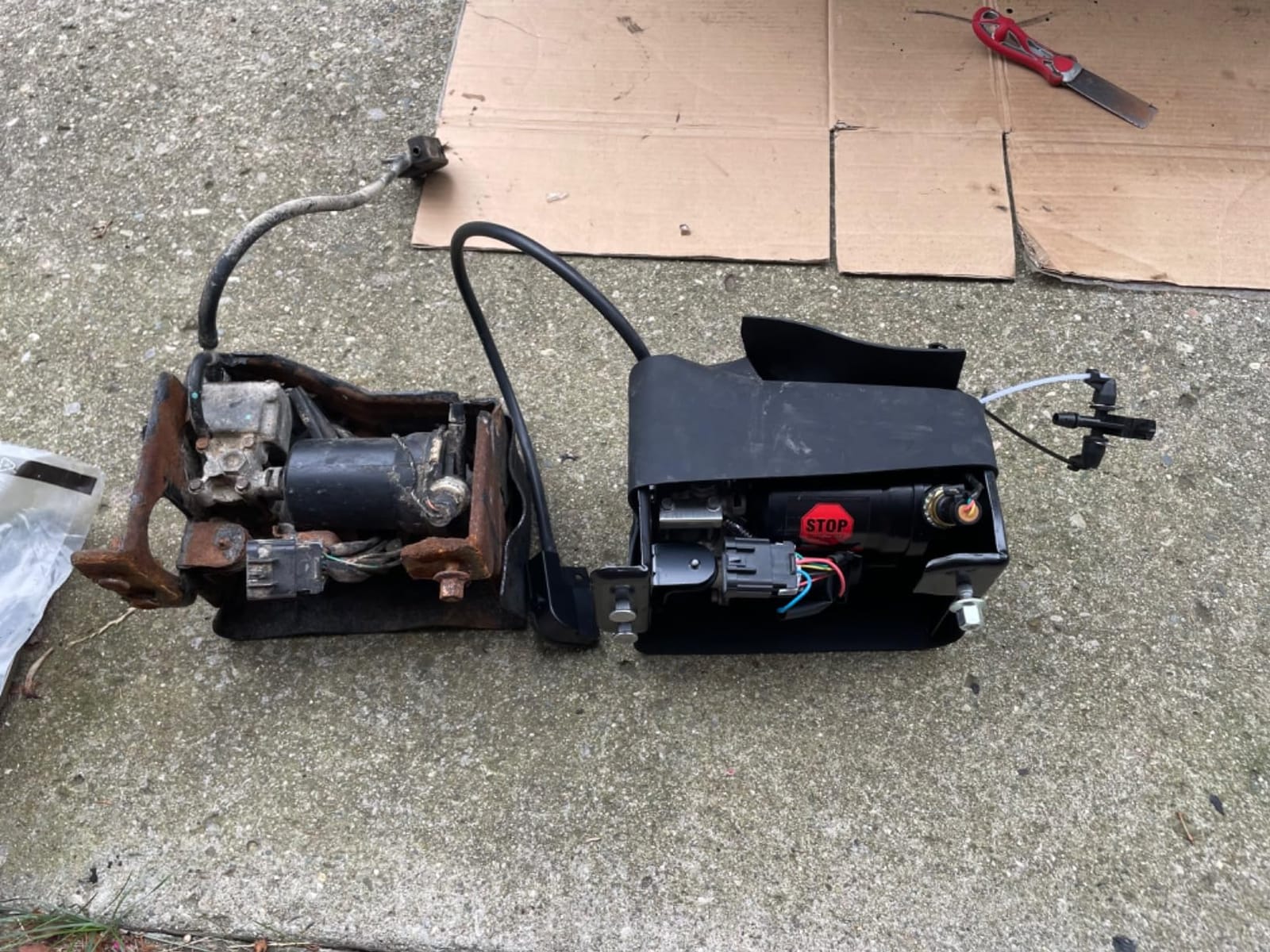
Fix the leak before you replace the pump
A failed compressor is often a symptom. If an air spring has a hole or a shock is weeping, a new pump will run continuously until it burns out. Test the system with a soapy-water solution on the fittings and bag seams, or add a bottle of standard automotive dye to the system and drive until the leak shows. Replacing the compressor first is the most common way to end up replacing it twice.
Why this is not a towing compressor
There is no user-facing control, so pressure adjustment is not something you can do as your load changes. There is no tank, so there is no reserve. And the air spring capacity on a factory system is sized to the truck, not to a fifth wheel. If you want load leveling under a heavy trailer, you need one of the air bag systems in this list instead.
4. Air Lift Load Controller II 25592 – Best for Hands-Off Top-Off
Air Lift Load Controller II On-Board Air Compressor System – 25592
45 PSI max pressure
2.3 gallon tank
20 amp max draw
70 dB noise rating
Pros
- Low pressure sensor tops bags up without attention
- Single path inflates both air springs at the same rate
- Dual needle gauge shows both sides on one dial
- Simple push button inflate and deflate control
- Universal fit for light and medium duty air springs
Cons
- Marketed for light to medium duty
- not maximum trailer loads
- No wireless or app control
- Single gauge gives less visibility than two independent readouts
This is the system to look at if your biggest complaint is that your bags lose pressure between trips. The low pressure sensor watches the system and starts the compressor automatically when pressure drops. Owners describe it as the one that just works, and for someone who tows a lot and does not want to think about it, that automatic behavior is worth more than a fancier control.
The hardware underneath is conventional. A 12V compressor rated to 45 PSI, a 2.3 gallon tank, and a maximum current draw of 20 amps. At 70 dB it is quieter than the WirelessONE and comparable to the VIAIR pairs, so cab mounting is more realistic here than on the top pick.
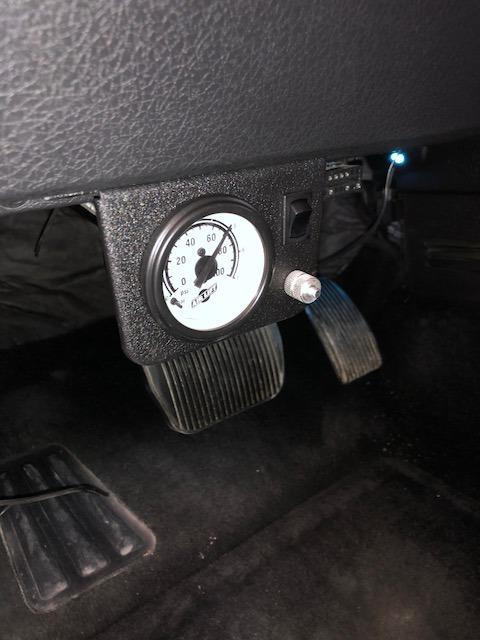
The dual-needle gauge on a single dial is a smart compromise. It shows both air springs at once, which means you can see immediately whether they are equal. A system that reads evenly on that dial is telling you the load is distributed correctly, and that single glance is genuinely useful at a truck stop.
The limitation is the duty class. Air Lift markets this for light to medium duty air springs, and 45 PSI is the ceiling. Heavy fifth wheel and gooseneck loads routinely want the upper end of the air bag pressure range, and you will not have headroom here. There is also no wireless or app control, so every adjustment happens at the hardwired gauge.
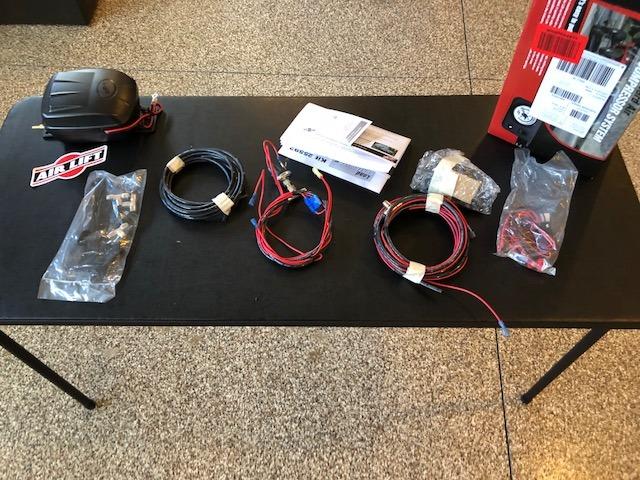
How to set the low pressure trigger
Set the trigger a few PSI above your minimum operating pressure, not at it. Air bags that repeatedly dip to the bottom of their range develop rub marks and eventually holes, so the sensor is a wear-protection tool as much as a convenience. If the compressor starts cycling constantly on rough roads, the trigger is set too close to your running pressure.
When the light to medium duty label matters
It matters if you tow a bumper-pull travel trailer in the 5000 pound range and never load the bed past a few hundred pounds of cargo. It does not matter if you are running a fifth wheel, a bumper pull over 8000 pounds, or a bed full of material. In those cases the compressor spends too long recovering, and the automatic top-off becomes a delay rather than a feature.
5. maXpeedingrods On Board Air Spring Kit – Most Versatile
maXpeedingrods On Board Air Compressor System Air Spring Compressor Kit
100 PSI max
12 x 8 x 8 inch body
4.74 pound unit
1 year warranty
Pros
- Complete on-board air spring kit with gauge
- line and hardware
- 30 PSI in about 42 seconds
- 19.68 ft of air line covers most frame routings
- Press and hold control helps prevent over-inflation
- Salt spray and durability testing before assembly
Cons
- Fitting quality is inconsistent across units
- Installation instructions are confusing for first-timers
- Some gauges and pumps arrive faulty
- Replacement fittings are hard to source from support
The speed numbers here are the reason to look twice. Thirty PSI in about 42 seconds, 60 PSI in about 90 seconds, and a full inflation in under three minutes. Owners towing around 5000 pounds report improved braking balance and noticeably less trailer squat once the bags are set, and at the entry price point the improvement over a truck with no helper springs is dramatic.
The press-and-hold button in the cab is a good instinct. You hold the button while the bags fill and release when the gauge reaches your target, which removes the guesswork and the over-inflation risk that comes with a toggle. The analog gauge included is a wide-scale unit, so read it the same way you would read a fuel gauge: get close and look carefully.
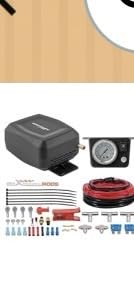
Now the part that matters. This kit has the lowest rating in the group, and the pattern behind that rating is consistent: the design is fine and the hardware is where it fails. Multiple owners report leaking T-fittings or fittings that are physically hard to push onto the air line, some units and gauges arriving faulty, and a support line that does not simply send replacement fittings.
That does not make it a bad choice. It makes it a choice that needs a hardware budget. Buy stainless fittings and extra T-couplers from a supplier that will actually ship them, expect to re-torque every connection after the first drive, and check the gauge against a known pressure before you trust it.
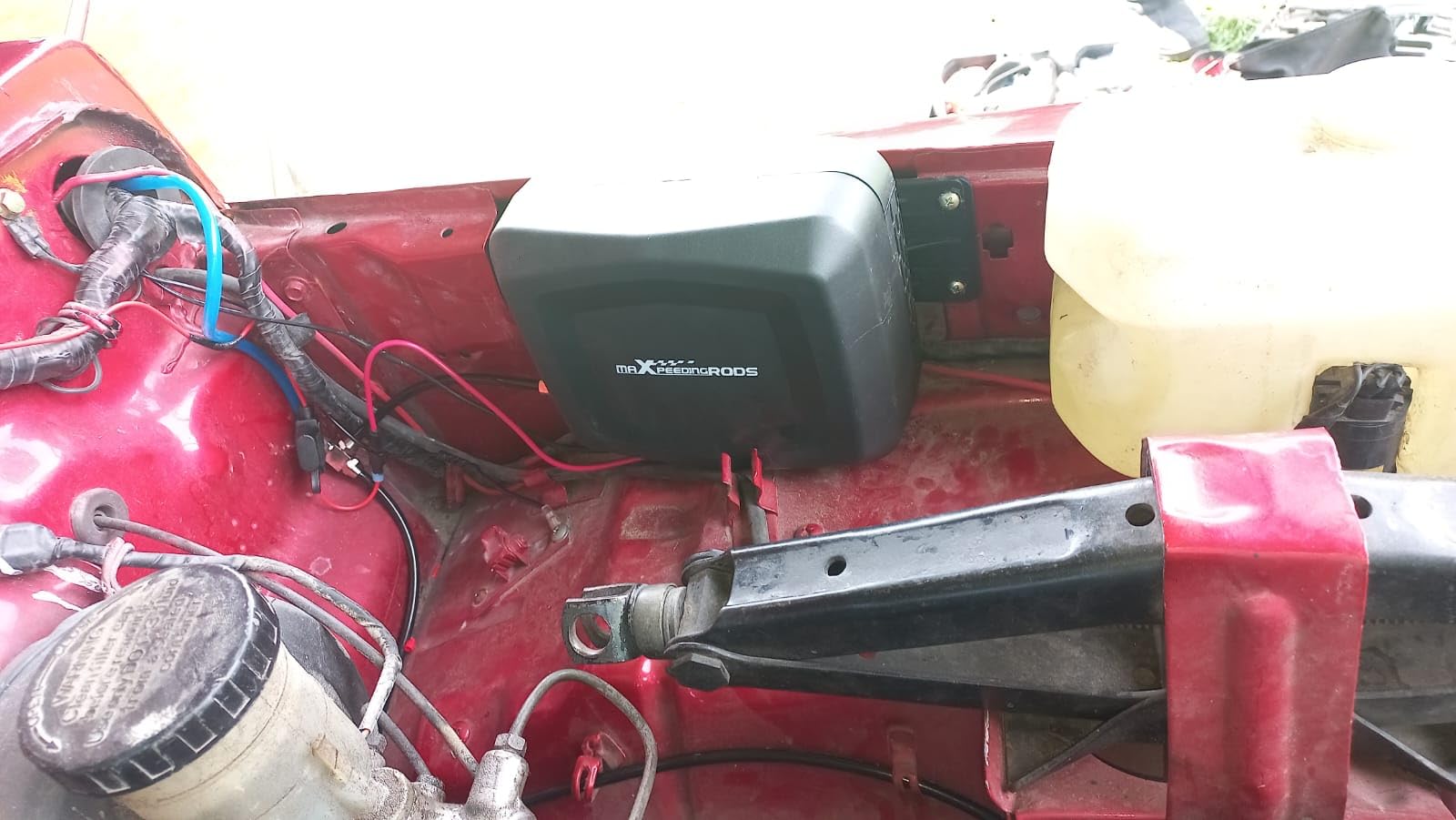
What a proper install looks like on this kit
Torque the T-fittings properly rather than finger tight, because push-to-connect fittings on soft nylon line are the weak point here. Run the 19.68 ft of air line along the frame rail with P-clips every foot, keep it away from the exhaust and the driveshaft, and check every connection after 200 miles. Plan a second inspection before your first loaded tow.
Where the low rating shows up on the road
Most complaints are at install and in the first weeks, not years later. A slow leak at a fitting will show up as bags that are a couple PSI soft every morning, and that is exactly the symptom that gets blamed on the compressor. A bottle of leak detection fluid solves the question in five minutes and saves you from replacing a perfectly good pump.
6. Vixen Horns VXC8301 – Best for Air Horns and Air Bags Together
Vixen Horns Heavy Duty Onboard Air Compressor 200 PSI VXC8301 For Train Horn, Air Suspension, Air Ride, Air Bags | Universal Replacement for 12V Vehicles Like Car, Truck, Semi, Pickup
200 PSI max
1.7 CFM air flow
5 gallon tank
73 dB noise rating
Pros
- Fills a 1 gallon tank to 130 PSI in under 2 minutes
- Stainless mesh covered leader hose with check valve
- Detachable washable foam intake filter for remote mounting
- Sealed design needs no lubrication
- Mounting plates with vibration isolators included
Cons
- 1.7 CFM is slow next to dual pump setups
- Several owners report pump or switch failure within 1 to 2 years
- Some examples arrive with a damaged intake filter
This is the one to look at if you want air horns and air bags fed by the same pump. At 200 PSI with a 5 gallon tank, it has the headroom that an air bag-only unit lacks, and owners report filling a 1 gallon tank to 130 PSI in under two minutes. Several owners running dual units describe trailer bags filling very quickly, and the detachable washable foam intake filter can be moved away from dust and moisture, which is what makes remote mounting realistic.
Build quality is good where it counts. The leader hose is covered in stainless steel mesh and includes an inline check valve, and the pump is a sealed, maintenance-free design with a permanently lubricated cylinder. At 9.3 pounds it is heavy but not unmanageable, and the mounting plates with vibration isolators help with the noise that comes from a pump bolted to a frame rail.
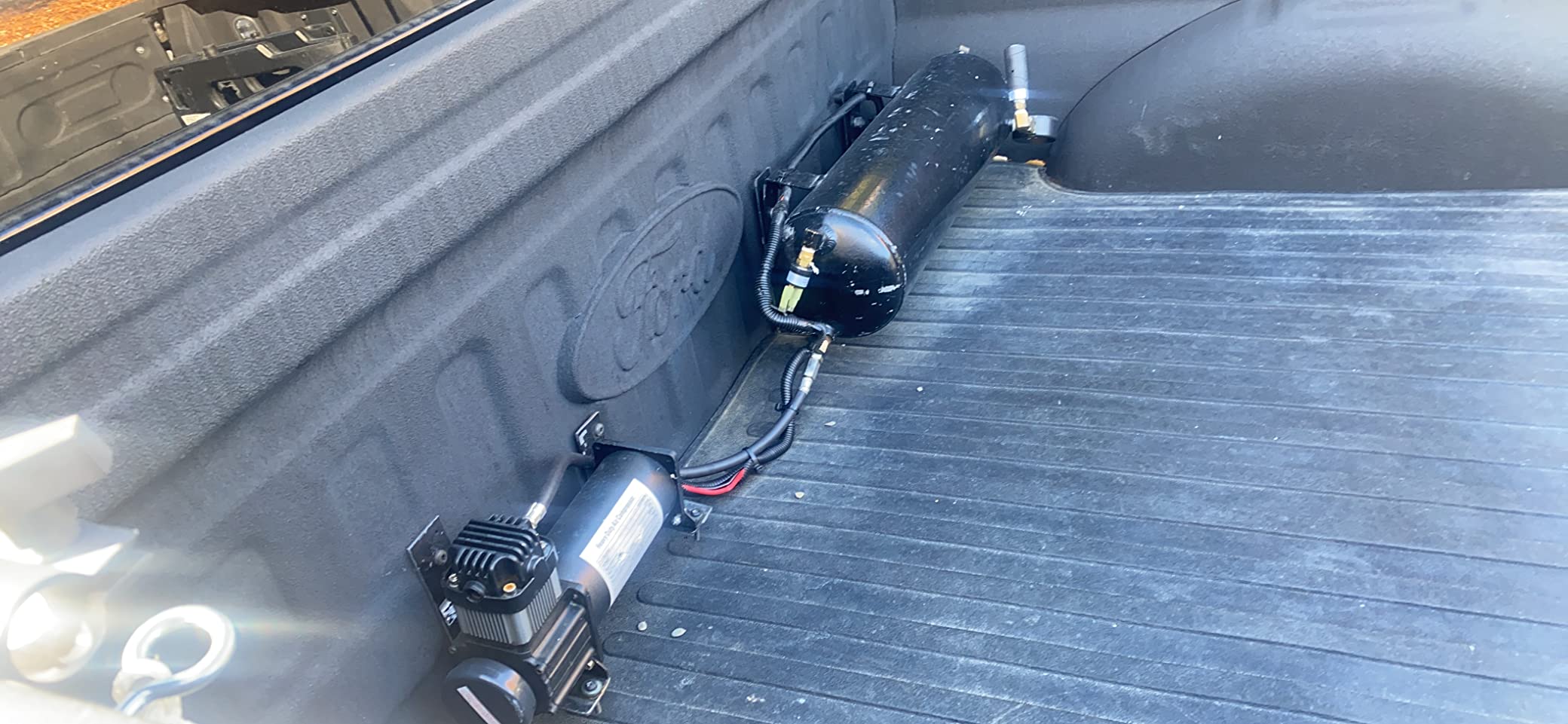
The durability reports are the concern. A meaningful number of owners report the compressor or the pressure switch failing within one to two years, sometimes with light use. The warranty is one year, which lines up exactly with that failure window, so treat the first two years as the period where you are most likely to be troubleshooting something.
At 1.7 CFM this is a single-path pump, and it is not fast. That is fine if the system is bags plus horns on a truck that tows moderately. It is not fine if you are filling tires after a long drive, because the flow you have is the flow you get.
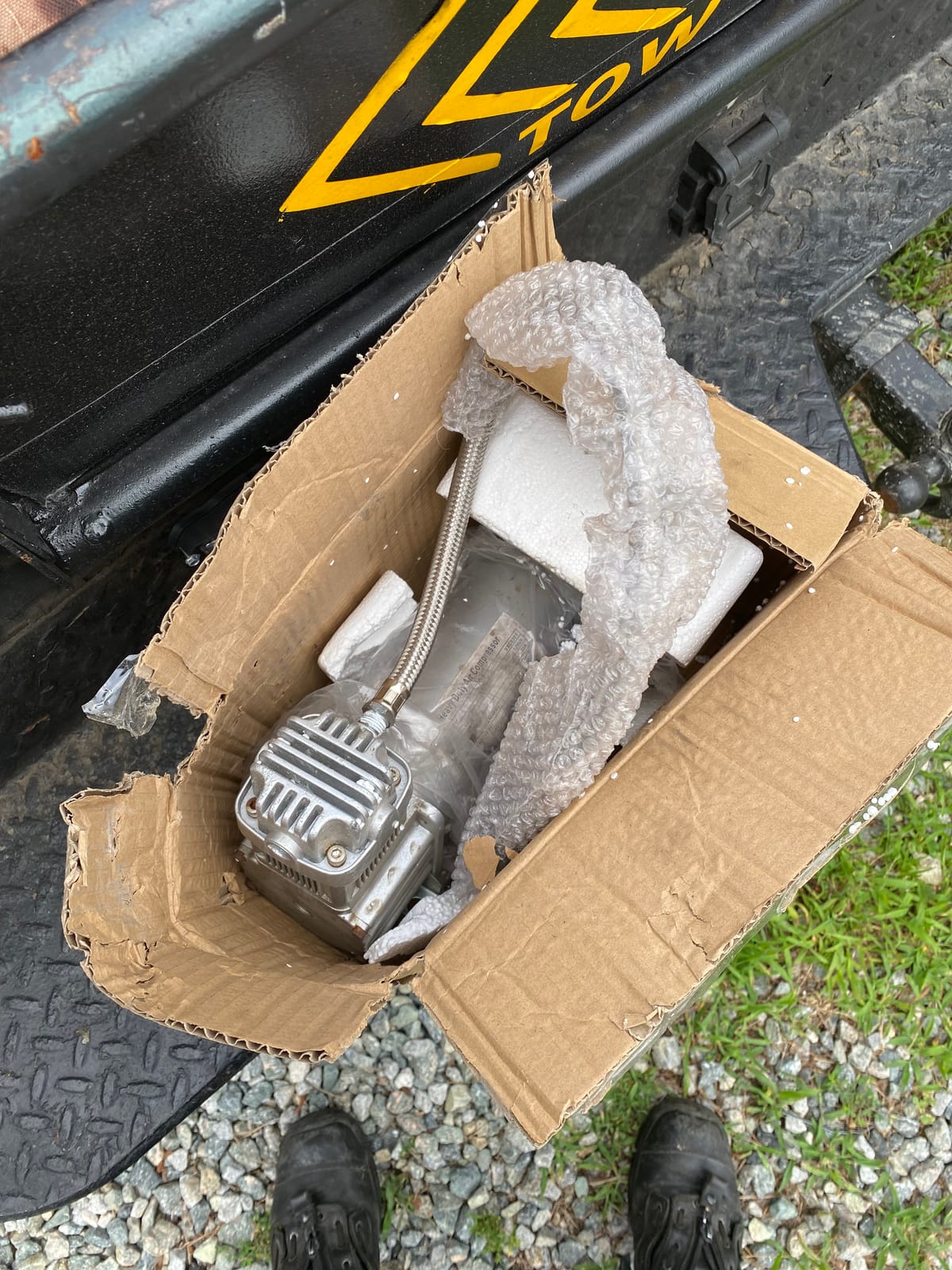
Mounting it where the filter survives
The detachable intake filter is the feature that decides whether this unit lasts. Mount the pump and filter assembly somewhere with airflow and away from road spray: the inside of the bed wall, a frame rail cavity, or a protected engine bay corner. Avoid the lowest point of the frame, where salt and mud collect, and check the foam element annually and wash it rather than replacing it blind.
When one pump is genuinely not enough
If you tow heavy and run horns, one pump is doing two jobs and both suffer. The dual VIAIR pairs later in this list run at more than twice the combined flow and will recover pressure while you are still unloading. This unit is the value option for a light-to-moderate tow rig, not the answer for a maxed-out fifth wheel.
7. VIAIR 444C Dual Compressor Pair – Best Value for Long-Term Ownership
VIAIR 444C Dual 12V 200 PSI Chrome Air Compressor Kit – Fast Fill
Two pump pack
3.53 CFM combined flow
200 PSI max
IP67 sealed
Pros
- Highest rated option in this roundup
- Two pumps give 3.53 CFM combined free flow
- 100 percent duty cycle at 100 PSI
- IP67 sealed against dust and water
- Remote mount brackets and spare filter elements included
Cons
- Inline check valves wear faster than the pumps
- One example was assembled out of square
- Supplied screws are small and not stainless
- Weak foam packaging for a premium component
Two pumps in one pack is the simplest way to double your airflow without wiring a second control. Each 444C is rated to 200 PSI with a 100 percent duty cycle at 100 PSI and 50 percent at 200 PSI, and together they deliver 3.53 CFM free flow. Benchmark testing described in owner reviews shows a single unit filling an 8.5 gallon tank to 125 PSI in about 10 minutes while the pump stays cool, and the pair halves that.
The longevity evidence is what separates this from the rest of the field. Owners report pumps running since 2008 and a first unit lasting twelve years. The industry reference point for onboard 12V air, and for a compressor you plan to keep in a truck for a decade, that record matters more than any spec on the box.

At 69 dB it is also quieter than most of the group, and owners mount it in the cab without regretting it. The IP67 rating means dust and water are not an automatic death sentence, and the kit includes two remote mount brackets, two sets of remote mount fittings and spare filter elements, so you are not ordering consumables on day one.
The criticisms are small parts and packaging. Inline check valves need replacing more often than the pumps do, so keep a spare on hand. The supplied mounting screws are small and not stainless, the female spade connectors on the wiring are the weak point in an otherwise premium assembly, and the foam packaging is thin for a component at this level.
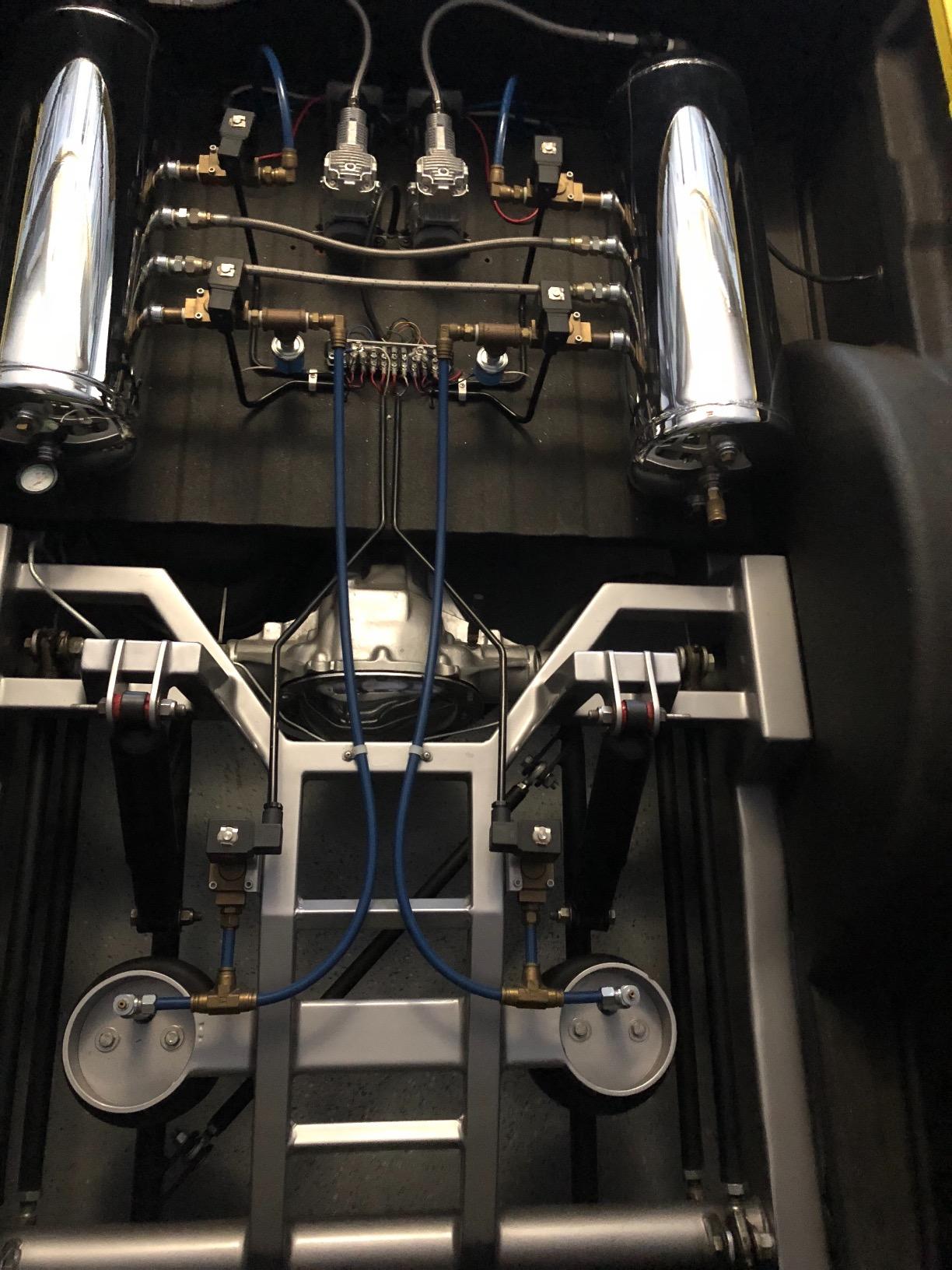
How to wire and mount a dual pack properly
Run both pumps on a single properly rated circuit through a relay triggered by your control, or wire them in parallel with a fused distribution block so one pump can carry the load if the other is serviced. Mount each unit on its vibration-isolated bracket, keep the intake filters out of the spray path, and add flex guards where the wires exit the housings. Twenty-four inches of wire with pre-installed connectors is per unit, so plan your routing before you order.
How this compares to the single 485C option
The difference comes down to the head. The 444C pair is rated for 50 percent duty cycle at 200 PSI; the Gen 2 485C pair later in this list runs each pump at 100 percent duty at 200 PSI with a higher combined flow. The 444C pair has the stronger long-term ownership record and the higher rating here, while the 485C pair has the stronger spec sheet.
8. RETRUE Universal Air Bag Kit – Best for Light Duty Bag Work
RETRUE Onboard Air Compressor System Universal Air Bag Compressor Kit
100 PSI max
12 volt
5.39 pound unit
Quick inflation design
Pros
- Complete universal air bag kit with panel
- line and wiring
- 50 PSI in about 80 seconds
- Press and hold control reduces over-inflation risk
- Control panel
- air line
- wiring and hardware all included
Cons
- Smallest review base so long term durability is unproven
- Brand listings note the gauge and T-fitting can arrive faulty
- Only rated for air bag duty
- not tank or dual pump towing
The inflation figures are respectable for a single-path kit: 50 PSI in about 80 seconds, 70 PSI in 2 minutes 10 seconds, and a full inflation in roughly 3 minutes 50 seconds. The press-and-hold in-cab control is the right design for air bags, because you are holding the button while you watch the gauge and releasing it the moment you reach your target.
Everything is in the box: compressor, control panel, quarter-inch air line, wiring, T-fitting, mounting hardware and an installation manual. For a first air bag install on a truck that tows a light travel trailer, that completeness is the appeal. Nothing has to be sourced separately on install day.
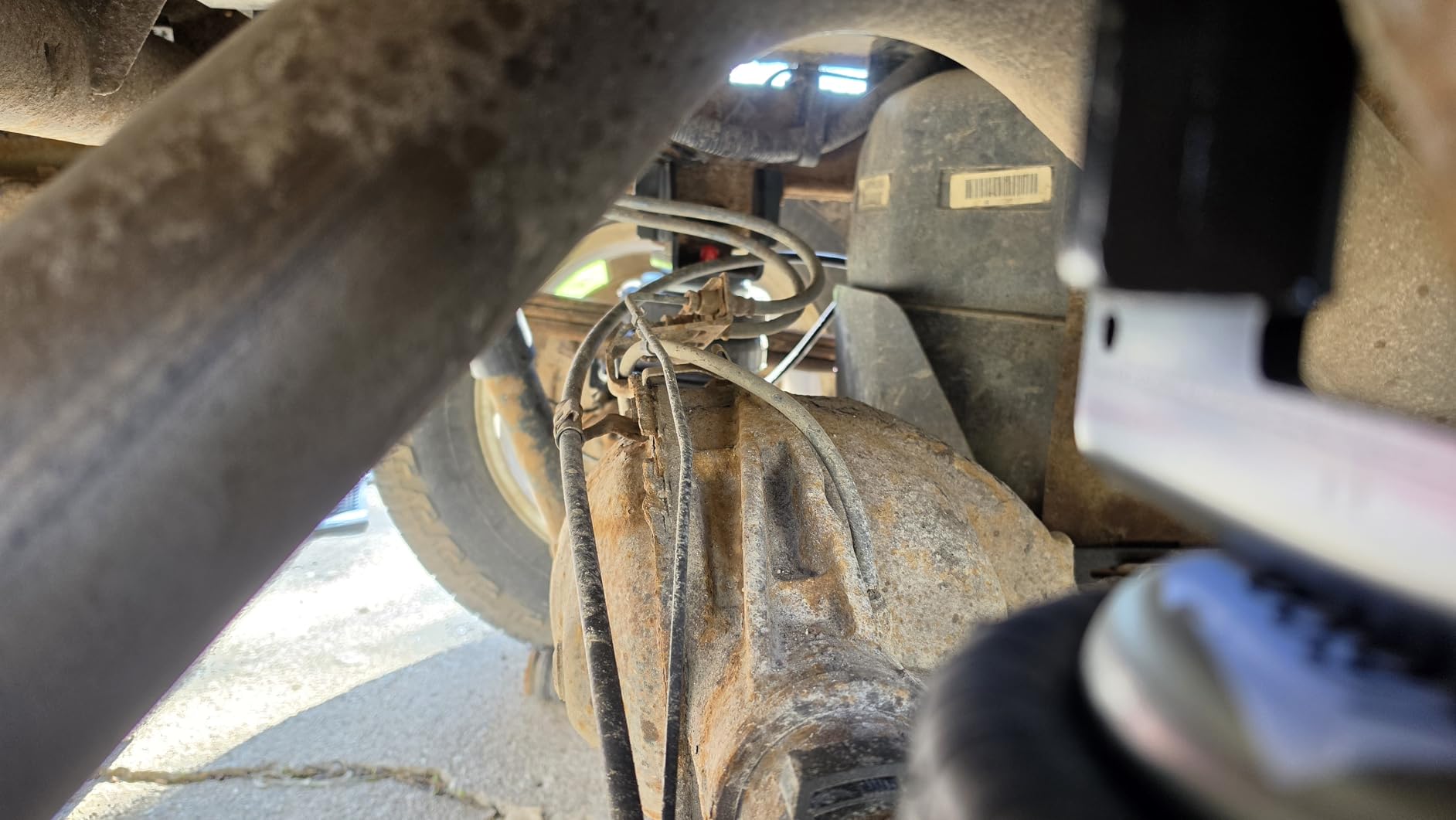
The honest limitation is evidence. With 109 ratings, this kit has the thinnest review base among the dedicated air bag systems here, so there is no long-term durability picture yet. That is not a complaint, it is a gap, and you should size your expectations accordingly rather than assuming it will last a decade.
The brand’s own listings flag that the air gauge and T-fitting can arrive faulty or leaking, so treat those two components as consumables during the first week. If the gauge does not hold steady, replace it before you set pressure rather than chasing a compressor that is working fine.
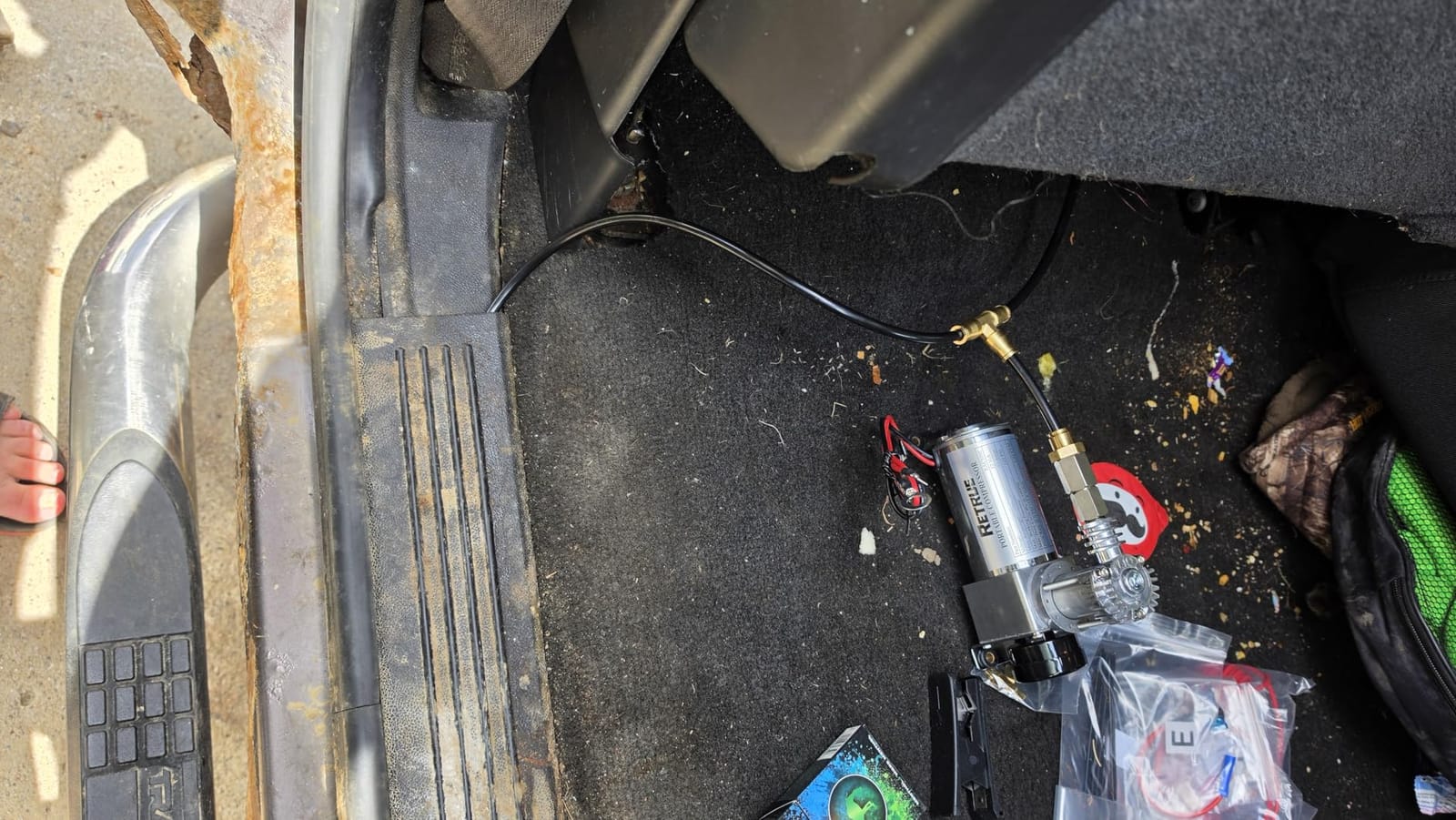
When this kit is the right size of compressor
It matches well to a half-ton truck with a bumper-pull travel trailer in the 3500 to 5000 pound range and a modest amount of bed cargo. At that weight the bags are doing supplemental work rather than carrying the load, and a single-path 100 PSI pump recovers pressure faster than you change campsites. Dual-axle trailers in that range are also comfortable territory.
When you should step up instead
Move up if your trailer is a fifth wheel, if you regularly carry dense material like gravel or lumber in the bed, or if you want the same circuit to run air horns. A single 100 PSI pump in those conditions is not unsafe, it is just slow, and you will notice it most when you want air in the tires at the same time you are adjusting the bags.
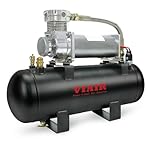
9. VIAIR 20008 Air Source Kit – Best for Reserve Air and Multiple Circuits
VIAIR 200 PSI High-Flow Air Source Kit | Hard Mount On Board Air Compressor with 2 Gallon Tank for Truck, Air Horns, Load Leveling Suspension
2 gallon tank at 200 PSI
1.86 CFM air flow
75 dB noise rating
IP67 rated
Pros
- Complete air source in one box
- tank
- compressor
- switch
- valve and protector
- 2 gallon 200 PSI tank with five ports
- 0 to 200 PSI in under 4 minutes
- IP67 housing mounts in the bed or under the chassis
- Pressure switch
- safety valve and thermal protector included
Cons
- Smallest review base of the VIAIR options
- 23 pound kit is the heaviest and most involved install
- Tank kit requires plumbing to the air bags so fittings must be sourced
A tank changes what a compressor can do. This kit puts a 480C compressor on a 2 gallon, 200 PSI rated tank with five ports, and that stored air is the point. It fills the tank from empty to 200 PSI in under 4 minutes, then you have reserve to run horns, fill a tire, or cycle the air bags without waiting on the pump. Owners value the reserve capacity most when running a load leveling kit alongside air horns.
The duty rating is the useful detail here: 100 percent at 100 PSI and 50 percent at 200 PSI, and it runs for an hour continuously. The IP67 housing means you can mount it in the bed or under the chassis where road spray and dust do not matter, which is a genuine advantage over a cab-mounted pump.
At 75 dB and 23 pounds it is the heaviest and most involved install in this roundup. You are plumbing air lines, mounting a tank and running wire, and the air bags or suspension kit still needs its own line and fittings to reach the tank ports. Plan the routing before the tank is in the frame.
How to decide if you actually need a tank
You need reserve air if more than one device shares the system, if you fill tires regularly, or if you want pressure immediately after a long climb rather than after a wait. You do not need it if the compressor feeds nothing but air bags on a light tow rig, where the bags hold their pressure for days. Adding a tank to a bags-only system costs you mounting space and install time for air you will never draw down.
Where to mount it for towing
The bed is the cleanest location on most pickup builds: protected from salt and debris, easy to service, and out of the cab noise. Under-chassis mounting works because of the IP67 rating, but route the tank away from the exhaust and away from anything that can be struck on a grade. Secure it with straps rated for the loaded weight, not just the empty weight.
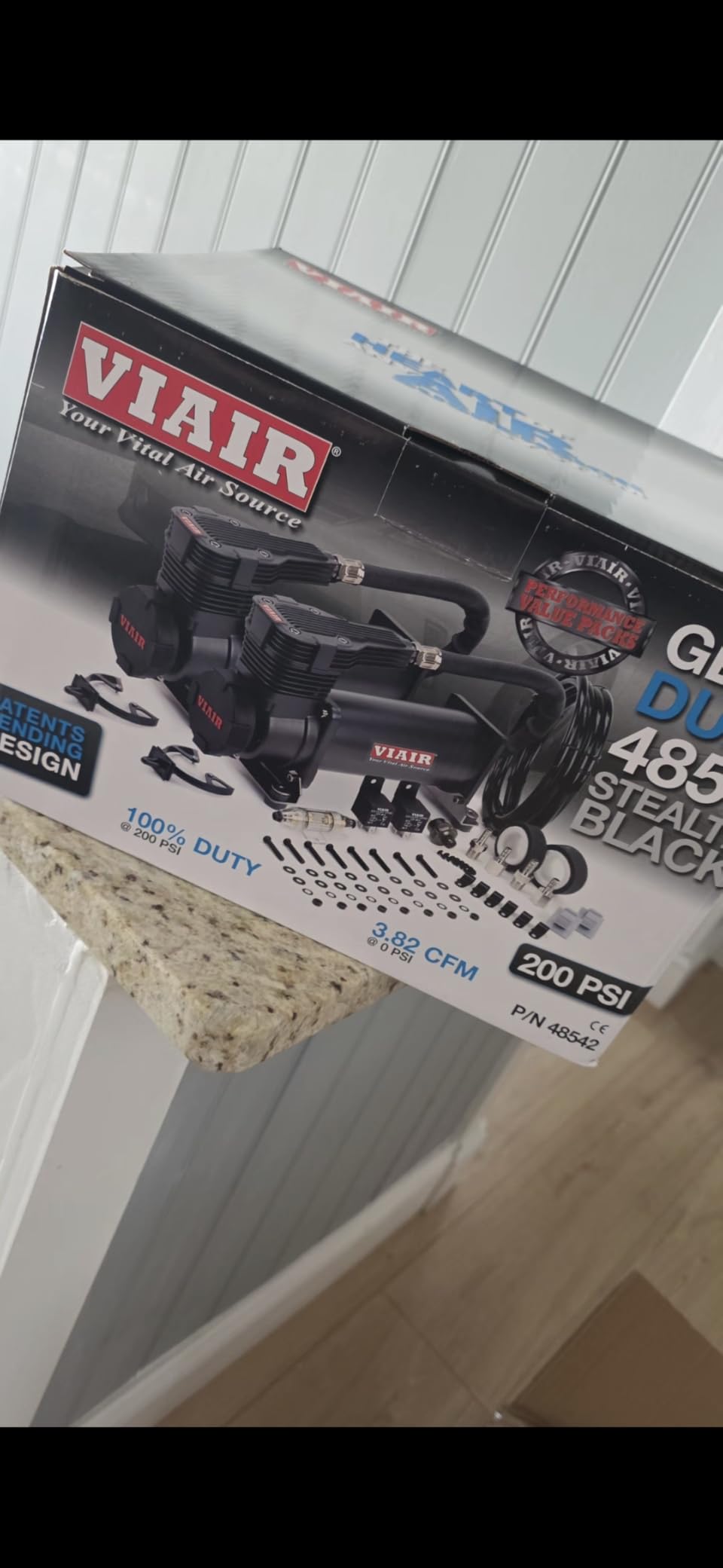
10. VIAIR 485C Dual Gen 2 Pair – Best for Fastest Recovery
VIAIR 485C Dual 12V Air Compressor Kit, 200 PSI, Continuous Duty, Platinum
Two pump pack
3.92 CFM combined flow
200 PSI max
22.1 pound kit
Pros
- Highest combined airflow in the group at 3.92 CFM
- 100 percent duty cycle at 200 PSI on each pump
- Updated Gen 2 head is quieter than earlier VIAIR models
- Owners upgrading from the 444 series report better and faster performance
- Supports tanks up to 10 gallons
Cons
- Bulkier and heavier than the 444C pair
- Not sealed against long term moisture exposure
- Some examples arrive with bent mounting legs
- Heaviest dual pump kit at 22.1 pounds
- both mounting and wiring required
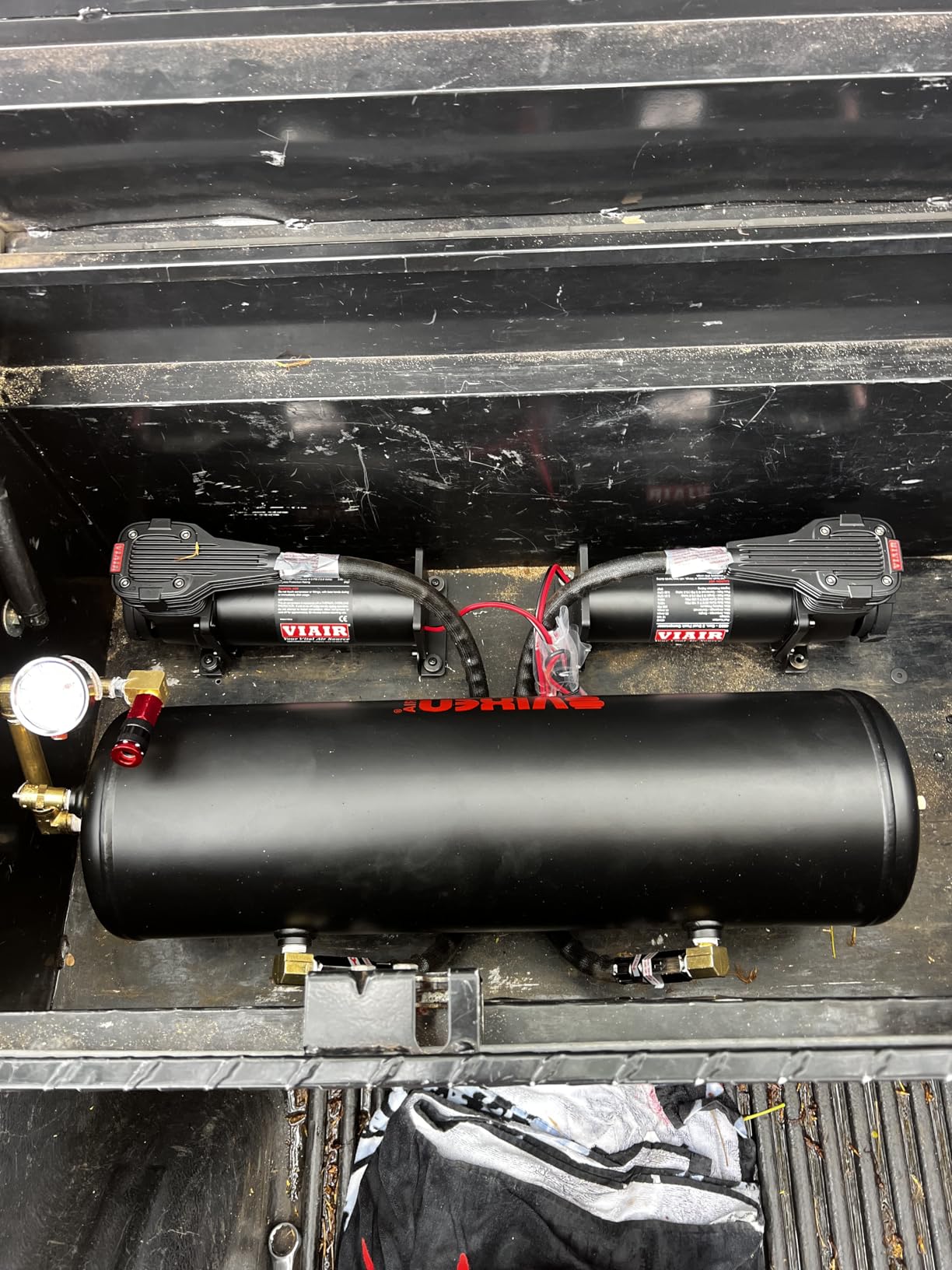
Where the 444C pair gives you a strong ownership record, the 485C pair gives you the strongest spec sheet here. Two Gen 2 pumps deliver 3.92 CFM combined free flow, and each one is rated for 100 percent duty cycle at 200 PSI, which means neither pump is throttling on a long recovery. Tanks up to 10 gallons are supported, so there is real room to build a reserve system around it.
The Gen 2 compressor head is the reason to pay up if you are running this config. Owners report it is noticeably quieter than earlier VIAIR models, and owners who moved up from the 444 series describe it as working better and faster. At 74 dB it sits between the 444C pair and the WirelessONE for noise.
What a dual-pump setup does for a loaded trailer
Flow is what you feel when you have 2000 pounds of tongue weight on the hitch and the bags are working against a compressed suspension. A single-path 100 PSI pump can fill the bags, but you are waiting. A 3.92 CFM pair recovers while you are still connecting the trailer, which is the difference between adjusting pressure at the truck stop and adjusting it on a shoulder after the fact.
The moisture caveat nobody mentions
IP67 covers dust and temporary water exposure, not long-term moisture. One owner destroyed a unit after three years of exposure, and the detachable filter cover and housing seams are the weak points. Mount it in the bed, under a tonneau, or inside a protected frame cavity, and check that every filter element is seated before you close it up. Bent mounting legs have also turned up on arrival, so verify the feet before you torque anything down.
Buying Guide: Matching an Onboard Compressor to Your Towing Setup
Once you have narrowed the list, four specifications decide the fit: pressure, airflow, duty cycle, and how you control it. Everything else is preference.
Pressure. Air bags run in a narrow band, typically 5 to 35 PSI for most towing setups, and 100 PSI of compressor capacity is comfortably above what the bags need. You need 200 PSI only if something else shares the circuit, such as air horns, a pneumatic locker, or a tire inflator. Paying for 200 PSI you never use adds cost and heat, not capability.
Airflow. CFM is the number that tells you how long a fill takes. Rule of thumb from what we saw: a single small pump in the 1.7 to 2 CFM range is fine for one pair of bags on a moderate tow rig. Above about 2 CFM or for a fifth wheel, dual-axle trailer, or combined horns and bags, a dual-pump package is the sensible choice. The jump from 3.53 to 3.92 CFM is real but not transformative; the jump from 1.86 to 3.5 CFM is transformative.
Duty cycle. This is how long the pump can run at a given pressure before it needs a break. 100 percent duty at 100 PSI means it can run indefinitely at bag pressure. 50 percent at 200 PSI means it can run half the time at full pressure. For air bag duty, duty cycle matters less than peak flow. If you are running horns or filling tires, it matters a lot.
Control. Three options, three personalities. A hardwired dash switch and gauge is the simplest and most durable. A hardwired gauge with an automatic low pressure sensor is the most hands-off. A wireless controller or app is the most convenient and the most complex, with a controller battery and a phone app as additional failure points. Owners do report wireless remote batteries dying and app connectivity issues, so if you tow through remote areas, a hardwired option has an argument for reliability.
Single path versus dual path. A single-path system inflates both air springs together at the same rate. A dual-path system controls each side independently, which lets you compensate for a badly balanced load or a leaking bag. For most tow rigs, single path is right, and it is simpler to plumb. Dual path earns its place on a truck that regularly carries an uneven load, such as one hauling a material that piles to one side.
Mounting location. This is where the decibel rating matters most. Under the hood is protected from salt and debris but is the hottest place you can put a pump, and several manufacturers warn about it. The frame rail is cooler and quieter but takes the most abuse from road spray. The bed is clean and serviceable on a pickup. The cab is comfortable only for a genuinely quiet unit like the VIAIR pair at 69 dB. Whichever you choose, keep the intake filter out of the spray path and away from the exhaust.
Cold weather. Air contracts as it cools, and a bag set to 30 PSI in a warm garage can read noticeably lower on a cold morning. The practical approach is to check pressure after the rig has sat outside overnight rather than in the driveway, and to leave a margin on your fully-loaded setting. A compressor that randomly cycles in the cold is usually a low pressure trigger set too close to your running pressure, not a failing pump. A manual isolation switch on the compressor trigger also stops the cycling that owners report over bumps.
Tank versus tankless. A tank gives you stored reserve air for horns, tools, and tire fills, and it smooths out the load on the compressor. A tankless system is smaller, lighter, and simpler to plumb straight into the air springs. Choose a tank when more than one device shares the circuit. Choose tankless when the compressor feeds nothing but air bags.
Air bags and weight distribution hitches. These are not mutually exclusive, and the idea that they cannot be combined is a persistent myth. Air helper springs add support under load and a weight distribution hitch shifts load forward across the axle. Used together with correct pressures, they do complementary jobs. What neither does is fix an overloaded truck, and no compressor setting compensates for exceeding the payload rating on the door jamb.
What to avoid. Skip keychain inflators and cigarette lighter powered pumps for air suspension duty. They cannot deliver the sustained flow a pair of bags needs, and their duty cycle is not designed for repeated full fills. Also be cautious with kits whose fittings have a documented history of leaking, because a slow leak is the single most common reason a good compressor gets returned as faulty.
Frequently Asked Questions
What is the best air compressor for air suspension systems?
For most tow rigs, the Air Lift 25980EZ WirelessONE is the best all-around choice because it inflates from inside or outside the vehicle with a handheld controller or mobile app, comes pre-assembled on a factory-made EZ Mount bracket, and holds 4.7 stars across 1924 ratings. If you are building around a fifth wheel or want air horns on the same circuit, a dual-pump VIAIR package delivers far more airflow and a longer service life.
What PSI should I run in air bags for towing?
Most towing setups run between 5 and 35 PSI, with the exact number set by load rather than by the compressor. Set pressure so the rear of the truck returns to its normal ride height with the trailer connected and cargo loaded. Add a margin in cold weather because air contracts as temperature drops, and check pressure after the rig has sat outside overnight rather than reading it in a warm driveway.
Is air ride suspension good for towing?
Air helper springs are good for towing because they add support proportional to the load, reduce rear squat, improve braking and steering control, and help limit trailer sway. They do not increase your payload rating and they do not replace a weight distribution hitch. Used together with correct pressures, the two do complementary jobs on the same trailer.
Which VIAIR compressor do I need?
Choose the 444C dual pair for air bags alone, where long service life and value matter most. Choose the 485C dual pair when you need more airflow, 100 percent duty cycle at 200 PSI, or a second accessory circuit such as air horns. Choose the 20008 tank kit when you want stored reserve air for horns, tools, or tire inflation from the same system.
Can you use air bags with a weight distribution hitch?
Yes. Air helper springs and a weight distribution hitch do different jobs: the bags add support proportional to pressure, and the hitch shifts load forward across the axle. Running both together is common and effective. Neither one compensates for an overloaded truck, so weight distribution still has to be set up correctly for the loaded trailer weight and tongue weight.
How long do air suspension compressors last?
It depends heavily on the pump and how it is mounted. Long-term owners report VIAIR units running for a decade or more, while some other brands show reported pump or pressure switch failures within one to two years. A failed compressor is often a symptom of a leak somewhere in the system, so find and fix any leak in the air lines, fittings, or air springs before replacing the pump.
Final Recommendation by Use Case
For the best air suspension compressor for towing in 2026, the Air Lift 25980EZ WirelessONE is our pick for almost everyone. It has the deepest owner base in this group, the most convenient control scheme, and an EZ Mount that removes the hardest part of the install. Buy the VIAIR 444C dual pair instead if you plan to keep the truck for a decade, run a heavy fifth wheel, or want air horns on the same circuit.
Match the rest of the list to your situation: the Air Lift 25804 for a first install, the Air Lift Load Controller II for hands-off automatic top-off on a moderate load, the maXpeedingrods or RETRUE kits for a light tow rig on a budget, the Vixen Horns unit for horns and bags together, the VIAIR 20008 when you want stored reserve air, the VIAIR 485C pair when you want the most flow available, and the Dorman 949-099 only if you are repairing a factory air suspension on a supported GM vehicle.
Whichever one you pick, mount it away from road spray, wire it through a proper relay, check every fitting for leaks after the first 200 miles, and set your pressure from the loaded ride height rather than from a number you found online.